Vegetables
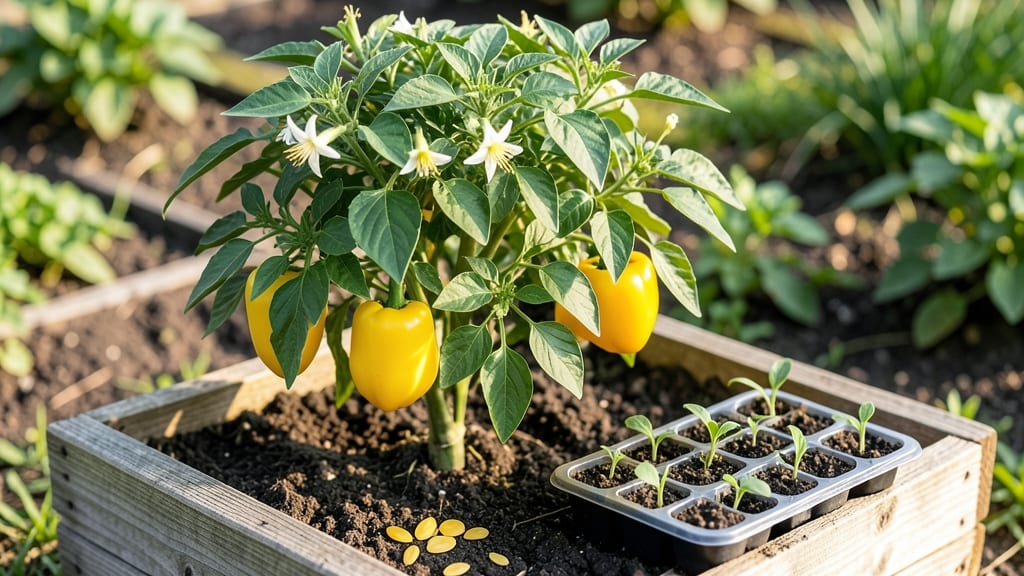
Growing yellow pepper seeds from scratch means unlocking bold harvests that stand out in any garden. 🌿 I’ve grown everything from sweet banana peppers to fiery habaneros, and the heat-resistant varieties—like ‘Lemon Drop’ or ‘Golden California Wonder’—deliver the most reliable results in hot climates.
The secret isn’t just patience; it’s matching their needs to your growing zone.
Start indoors 8–10 weeks before your last frost, using seed-starting mix that drains well. Yellow pepper seeds need warmth—70°F or higher—to germinate, so a heat mat helps speed things up. Once sprouted, keep seedlings in bright light (14+ hours a day) and avoid overwatering, which drowns delicate roots.
These peppers thrive in full sun and well-draining soil with a pH between 6.0 and 7.0.
By transplanting outdoors after all frost risk has passed, you’ll see sturdy plants ready to produce vibrant yellow fruits in 70–90 days. The payoff? Sweet, tangy peppers perfect for fresh eating, pickling, or stuffing—plus, their bright color adds a pop to any garden bed.
Just watch for early blight or aphids, which can stress seedlings.
Works in containers or in-ground beds, even for small spaces. Whether you’re growing for flavor or ornamentals, these varieties pack a punch both in the garden and on the plate. Let’s get those seeds planted!
The Hidden Triggers Behind Poor Germination
Understanding why your yellow pepper seeds fail to sprout—or thrive—starts with uncovering the root causes. While some challenges are unavoidable, many stem from preventable mistakes or environmental factors.
Below, we break down the science-backed reasons your seeds might be struggling, so you can adjust your approach for a bold, heat-resistant harvest.
Seeds need just the right balance of moisture to activate their metabolic processes. Too little, and they remain dormant; too much, and they suffocate.
- Underwatering: Seeds require consistent dampness (not soggy soil) to trigger germination.
If the soil dries out, the seed’s radicle (embryonic root) can’t break through the seed coat. Pro tip: Use a spray bottle or fine mist to keep soil evenly moist—like a damp sponge, not a swamp. - Overwatering: Excess moisture cuts off oxygen, causing seeds to rot before sprouting.
Poor drainage or compacted soil worsens this. Fix it: Use well-draining seed-starting mix (50% peat/perlite/coco coir) and avoid bottom-watering until seeds germinate.
🔬 The Science: Seeds rely on hydrolysis—a chemical reaction that breaks down stored nutrients (like starches) into sugars—powered by water. Without it, the seed starves.
Yellow peppers thrive in warmth, but seeds have a narrow ideal range (70–90°F / 21–32°C). Stray too far, and germination grinds to a halt.
- Cold Soil: Below 50°F (10°C), seeds enter dormancy, waiting for warmer conditions.
If your soil stays cool (common in early spring), seeds may never wake up. Solution: Use a heat mat (70–75°F / 21–24°C) or start seeds indoors near a sunny window. - Heat Stress: Above 95°F (35°C), enzymes in the seed denature, halting growth. Prevent it: Avoid placing seeds near radiators or in direct sunlight until sprouted.
A seedling heat lamp (60–70°F / 15–21°C at night) helps.
🔬 The Science: Enzymes like α-amylase (which converts starch to sugar) work only within a specific temperature range. Too hot or cold, and they shut down.
Not all soil is created equal. Compacted, nutrient-poor, or acidic soil can strangle seeds before they even think about sprouting.
- Density & Aeration: Seeds need oxygen to respire. Clay-heavy or tightly packed soil suffocates them. Fix it: Mix in perlite or vermiculite (20–30%) for airflow. - pH Imbalance: Yellow peppers prefer slightly acidic to neutral soil (6.0–7.0).
Too acidic (<5.5) locks out phosphorus (critical for root growth), while alkaline (>7.5) reduces zinc uptake. Test & adjust: Use a pH meter and amend with lime (to raise pH) or sulfur (to lower it). - Sterility Issues: Old garden soil may harbor fungi (like Pythium or Fusarium), which cause damping-off—a deadly seedling rot. Prevent it: Sterilize soil with baking soda (1 tbsp/gallon of water) or hydrogen peroxide (3%).
🔬 The Science: Mycorrhizal fungi in healthy soil help seeds absorb water and nutrients, but pathogens outcompete them, leading to seedling collapse.
Here’s the twist: Seeds germinate in darkness, but seedlings crave light. Confusing the two can derail your crop.
- Too Little Light Post-Sprout: Once seeds break soil, they need 12–16 hours of light/day to prevent leggy, weak stems. Solution: Use grow lights (LED or fluorescent) 2–3 inches above seedlings until they develop true leaves.
- Premature Light Exposure: Some seeds (like bell peppers) won’t germinate if exposed to light too soon. Fix it: Keep seeds in darkness until sprouted, then move to light.
🔬 The Science: Phytochrome (a light-sensitive pigment) triggers hypocotyl elongation (the stem’s upward growth). Without light post-germination, seedlings stretch toward any available source—often toppling over.
Even the best yellow pepper varieties lose viability over time. Age + storage conditions determine success rates.
- Seed Age: Most pepper seeds retain 80% germination for 1–2 years, dropping to 50% after 3–4 years. Check it: Test a few seeds in a paper towel (moistened, in a bag) for 7–10 days—if <70% sprout, replace them.
- Improper Storage: Heat, humidity, and light exposure degrade seeds faster. Store them right: Keep in a cool (40°F/4°C), dry place (like a fridge) in an airtight, opaque container (e.g., glass jar with silica packets).
🔬 The Science: Lipid peroxidation (fat breakdown in seeds) accelerates with heat, reducing enzyme activity needed for germination.
Even before sprouting, invisible enemies can sabotage your seeds.
- Fungal Infections: Thielaviopsis basicola (black rot) or Rhizoctonia attack seeds, causing pre-emergence damping-off. Prevent it: Water seeds from below and avoid overhead misting.
- Insects: Seed corn maggots or cutworms may eat seeds post-germination. Deter them: Sprinkle diatomaceous earth or use row covers until seedlings are established.
🔬 The Science: Fungi release toxins that inhibit cell division in the radicle, stopping growth before you see a sprout.
Most germination failures boil down to three core issues:
- Moisture + Temperature (the dynamic duo)
- Soil Health (oxygen, pH, sterility)
- Seed Quality + Light Timing (age and post-sprout needs)
💡 Pro Tip: Keep a germination journal—track soil temp, moisture, and sprout rates to pinpoint patterns in your failures. Small adjustments (like a heat mat or sterilized soil) can dramatically improve your success rate!
Fixing Common Growing Challenges
Growing heat-resistant yellow pepper seeds can be incredibly rewarding, but like any gardening endeavor, it comes with its own set of challenges. Whether you're dealing with poor germination, pest infestations, or environmental stress, knowing how to address these issues can make all the difference.
Below, we’ve broken down practical solutions for the most common problems, complete with prevention tips to keep your peppers thriving.
If your yellow pepper seeds are taking forever to sprout—or worse, not sprouting at all—don’t panic. This issue often stems from improper moisture, temperature, or seed viability. Here’s how to fix it:
🔥 Fix It: Optimize Germination Conditions
- 🍳 Warmth is Key: Yellow pepper seeds thrive in warmth. Use a seedling heat mat (70–85°F) or place them near a sunny window.
If your home is chilly, try a warm spot like on top of the fridge. - 👨🍳 Keep Moist (But Not Soggy): Dampen the soil lightly before planting, then mist it daily to maintain even moisture.
A clear plastic dome or plastic wrap can help retain humidity without drowning the seeds. - ⏰ Patience Pays Off: Yellow pepper seeds can take 10–21 days to sprout. If nothing emerges after three weeks, they may not be viable—try fresh seeds.
💡 Prevention Tips
- 🌡️ Pre-Soak Seeds: Soak them in warm water for 4–6 hours before planting to kickstart germination.
- 🎯 Use Sterile Soil: Old or contaminated soil can harbor fungi.
Opt for a high-quality seed-starting mix. - ✨ Test Seed Viability: Float a few seeds in water—if they sink, they’re likely good; if they float, they’re probably duds.
Yellow peppers are delicious to both humans and pests like aphids, spider mites, and fungal diseases like powdery mildew. Catching these early is crucial to saving your harvest.
🔥 Fix It: Natural and Chemical-Free Solutions
- 🍳 For Aphids & Spider Mites:
- 🔪 Blast Them Off: Spray pests with a strong stream of water from a hose to dislodge them.
- 👨🍳 Neem Oil Spray: Mix 1 tsp neem oil + 1 tsp mild soap + 1 quart water, then spray on affected leaves (reapply every 5–7 days).
- 🥘 Introduce Beneficial Insects: Ladybugs and lacewings love munching on aphids—release them near your plants.
- 🥘 For Fungal Diseases (Powdery Mildew, Blight):
- 🌡️ Improve Airflow: Space plants 18–24 inches apart and prune crowded foliage.
- 🎯 Baking Soda Spray: Mix 1 tsp baking soda + 1 quart water + a drop of soap, then spray undersides of leaves weekly.
- ✨ Copper Fungicide: Use an organic copper-based spray as a last resort for severe infections.
💡 Prevention Tips
- 🔥 Rotate Crops: Avoid planting peppers in the same spot yearly to prevent soil-borne diseases.
- 🌡️ Water at the Base: Wet leaves encourage fungal growth—always water the soil, not the foliage.
- ✨ Mulch Heavily: Use straw or grass clippings to keep soil moist and deter pests from crawling up.
Yellow peppers are heat-tolerant, but extreme heat or drought can still stunt growth, cause blossom drop, or lead to bitter fruit.
🔥 Fix It: Beat the Heat
- 🍳 Shade Cloth: If temps exceed 90°F, drape 30–50% shade cloth over plants to reduce stress.
- 👨🍳 Deep Watering: Water deeply 1–2 times per week (early morning is best) instead of daily shallow watering.
- 🥘 Mulch Like a Pro: Apply 3–4 inches of organic mulch (straw, wood chips) to retain moisture and cool roots.
💡 Prevention Tips
- 🎯 Choose Heat-Resistant Varieties: Opt for ‘Lunchbox’, ‘Carolina Wonder’, or ‘Jupiter’—these handle heat better than standard types.
- ✨ Succession Planting: Start new seeds every 2–3 weeks to ensure a continuous harvest as older plants wilt in peak summer heat.
- 💪 Boost Soil Health: Amend soil with compost or aged manure before planting to improve water retention.
This common issue causes dark, sunken spots on the bottom of peppers due to calcium deficiency or uneven watering.
🔥 Fix It: Calcium Boost
- 🍳 Apply Calcium: Sprinkle crushed eggshells or bone meal around the base of plants, then water thoroughly.
- 👨🍳 Use Calcium Spray: Mix 1 tbsp calcium nitrate + 1 gallon water and spray foliage weekly.
- ⏰ Keep Soil Moist: BER often occurs when plants swing between drought and overwatering—maintain consistent moisture.
💡 Prevention Tips
- 🌡️ Mulch Heavily: Helps stabilize soil moisture levels.
- 🎯 Avoid Over-Fertilizing with Nitrogen: Too much N promotes leafy growth at the expense of fruit—balance with potassium and phosphorus.
- ✨ Test Soil pH: Aim for 6.0–6.8—calcium absorbs better in this range.
- 💡 Harvest Regularly: Picking peppers frequently encourages more production.
- 🔥 Thin Seedlings: Keep only the strongest 2–3 plants per pot to avoid competition.
- 🌡️ Monitor Weather: Yellow peppers hate frost—cover plants with row fabric if temps dip below 50°F.
With these solutions, your heat-resistant yellow pepper seeds should flourish into a bold, bountiful harvest! 🌶️🔥
Frequently asked questions
How long do yellow pepper seeds take to germinate?
Yellow pepper seeds typically sprout within 10–21 days when kept in warm (70–85°F) and consistently moist conditions. If using a heat mat, germination may occur faster (7–14 days). Patience is key—if no sprouts appear after 3 weeks, the seeds may be old or non-viable.
Can I save seeds from store-bought yellow peppers?
Store-bought peppers are often hybrid varieties, meaning their seeds won’t produce true-to-type plants. For reliable results, use seeds from heirloom or open-pollinated yellow peppers. If you must save seeds, let the pepper fully ripen on the vine, extract seeds, ferment them in water for 3–5 days, then dry and store in a cool, dark place.
Why are my yellow pepper seedlings growing too tall and leggy?
Leggy seedlings usually mean they’re not getting enough light (12–16 hours/day) after germination. Move them to a sunnier window or use grow lights 2–3 inches above the plants. Avoid overcrowding—thin seedlings to 2–3 inches apart and ensure the soil stays warm and moist but not soggy.
Are yellow pepper seeds edible if accidentally ingested?
Yes, yellow pepper seeds are non-toxic and edible, though they can be slightly bitter. Most people remove them for milder flavor, but they won’t harm you. Just avoid the white pith around the seeds, which can be tough. For culinary use, roast seeds with salt for a spicy snack or grind them into a powder for seasoning.
How do I store leftover yellow pepper seeds for next year?
Store seeds in a cool (40°F), dry place (like a fridge) inside an airtight, opaque container with silica gel packets to absorb moisture. Label with the variety and date—seeds remain viable for 1–2 years. Test a few seeds in a damp paper towel before planting to check viability.