Vegetables
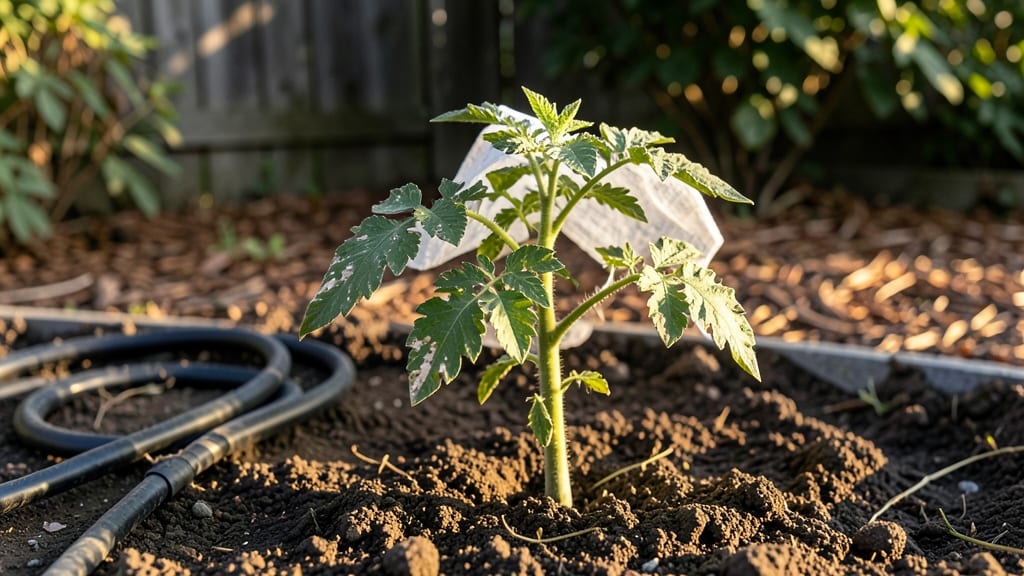
Is your tomato seedling sunburn turning its leaves a ghostly white? I’ve nursed back more scorched starts than I’d like to admit, and these three fixes saved my plants every time.
The good news is you don’t need fancy equipment—just a few simple adjustments to keep your seedlings thriving instead of turning into sad, sun-bleached sticks.
Sunburn happens when seedlings go from cozy indoor light to brutal midday rays without warning. You’ll spot it as white or yellow patches on leaves, or plants that look wilted even when watered.
The fix starts with gradual hardening—move seedlings outside for just an hour the first day, then slowly increase their time in the sun over a week. A cheap shade cloth stretched overhead works like a charm too.
Once you catch the damage early, trim the worst-affected leaves and move seedlings to dappled shade or morning sun only. Within days, you’ll see fresh green growth pushing out, and your plants will bounce back stronger than before.
The key is acting fast—don’t wait until the seedlings look like they’ve been left in a tanning bed.
These tricks work for any tomato variety, from cherry to beefsteak, and they’ll save you from throwing out seedlings you’ve nurtured for weeks. Your future harvests will thank you—just imagine those first ripe tomatoes without the heartbreak of sunburned starts along the way.
The Root Causes Of Seedling Scorch
When your tender tomato seedlings start looking like they’ve been kissed by the sun—leaves turning crispy, pale, or even white—it’s a sign of sunburn. But why does this happen in the first place?
The issue often boils down to a mix of environmental stress and improper growing conditions. Let’s break down the science behind it so you can protect your plants before they crisp up.
Tomato seedlings are delicate when young, with thin, translucent leaves that lack the protective pigments (like anthocyanins) mature plants develop. When exposed to intense midday sunlight (10 AM–4 PM), their cells absorb too much ultraviolet (UV) and infrared radiation, causing:
- Photoxidative damage: Excess light energy creates reactive oxygen species (ROS), which break down cell membranes and chlorophyll, turning leaves white or bleached.
- Water loss acceleration: Sunlight increases transpiration rates, drying out seedlings faster than their roots can replenish moisture.
- Heat stress: Temperatures above 85°F (29°C) can denature enzymes in leaves, halting photosynthesis and causing necrosis (dead tissue).
Actionable fix: Gradually harden off seedlings by moving them to partial shade (e.g., under a 30% shade cloth) for 2–3 hours daily before full sun exposure.
Tomato seedlings thrive in stable temperatures (60–75°F / 15–24°C). When nighttime temps drop below 50°F (10°C) or daytime highs exceed 90°F (32°C), their metabolic processes go into overdrive—or shut down—leading to:
- Cold stress: Low temps slow enzyme activity, preventing seedlings from repairing sun-damaged cells. Frost or chilly nights can also cause water crystallization in leaves, rupturing cell walls.
- Heat shock: Sudden heat spikes (e.g., after a cloudy morning) cause protein denaturation, scrambling the cellular machinery that protects against UV rays.
Actionable fix: Use row covers or cloche tunnels to buffer temperature swings. For container growers, move pots to shaded areas during heatwaves.
Sunburn isn’t just about light—it’s also a water-related issue. When seedlings are underwatered or planted in dry, compacted soil, their roots can’t keep up with the demands of photosynthesis under bright conditions. This creates a double whammy:
- Osmotic stress: Dry soil forces roots to work harder to absorb water, reducing their ability to transport antioxidants (like glutathione) that neutralize sun-induced ROS.
- Leaf wilting: Even slightly wilted leaves have reduced stomatal control, meaning they can’t regulate gas exchange efficiently. This traps heat and accelerates photoinhibition (sunburn).
Actionable fix: Water seedlings consistently—aim for 1 inch (2.5 cm) of moisture per week—and use mulch (straw or grass clippings) to retain soil moisture and cool roots.
If you’ve just moved seedlings from a shaded indoor setup or greenhouse to a sunny outdoor spot, their leaves may not be acclimated to high light levels. This abrupt change can lead to:
- Chlorophyll breakdown: Indoor-grown seedlings often have less chlorophyll than those raised under natural light. Without this pigment, they absorb too much light energy, leading to bleaching.
- Root system lag: Newly transplanted seedlings prioritize root growth over leaf protection, making them vulnerable to sunburn while their roots establish.
Actionable fix: Acclimate seedlings gradually over 7–10 days by increasing sun exposure by 1–2 hours daily. Avoid moving them from shade to full sun in one step!
Fixing Sun-Damaged Seedlings Fast
Now that you know the causes of tomato seedling sunburn, let’s tackle the fixes—before the damage becomes permanent. The good news? Most solutions are simple, cost-effective, and require minimal effort.
Below, we’ll map the root cause to the best fix, plus prevention tips to keep your seedlings thriving.
Fix: Adjust Your Watering Technique 💦 If you’re watering from above (especially in the early morning or late afternoon), droplets on leaves act like tiny magnifying glasses, focusing sunlight and causing burns. Switch to bottom-watering or use a soaker hose to keep foliage dry.
How to do it: ✅ Bottom-watering method: Place a tray or saucer under pots and add water until it reaches the soil surface. Let it absorb from below. ✅ Soaker hose trick: Run a gentle stream along the base of seedlings for 10–15 minutes. Avoid wetting leaves. ✅ Morning watering only: If overhead watering is unavoidable, do it before 9 AM so leaves dry quickly.
Prevention tip: 🌡️ Check humidity levels—dry air worsens sunburn. Use a humidity dome (a clear plastic cover over seedlings) for the first 2–3 weeks to retain moisture.
Fix: Provide Shade Gradually 🌿 Seedlings aren’t used to intense sunlight—acclimate them slowly to prevent shock. If they’re already scorched, act fast with these steps:
How to do it: 🔥 Emergency shade: Move seedlings to a 50% shade cloth or place them under a light-colored sheet (like an old bedsheet) for 3–5 days. This blocks ~50% of sunlight while allowing airflow. 🍳 Dappled sunlight spots: If outdoors, position seedlings under partial shade (e.g., near a fence, under a tree, or in a spot that gets morning sun but afternoon shade). 👨🍳 DIY shade tent: Use a wire frame (like an old coat hanger) and drape a light fabric over it. Secure with clothespins or weights.
Prevention tip: ✨ Hardening off properly: Before transplanting, expose seedlings to 1–2 hours of direct sun per day, increasing by 1 hour daily over 7–10 days.
Fix: Improve Ventilation & Cool Down Seedlings 🌬️ High temperatures + stagnant air = a recipe for sunburn. Here’s how to cool things down:
How to do it: 🔪 Prune damaged leaves: Snip off only the worst scorched leaves with clean scissors to reduce stress on the plant. Avoid over-pruning—remove no more than 20–30% of the foliage. ⏰ Adjust watering times: Water deeply in the evening (after 6 PM) to help cool the soil and roots. Avoid midday watering, which can evaporate too quickly. 🌡️ Use reflective mulch: Spread white gravel, straw, or aluminum foil around seedlings to reflect sunlight and keep roots cooler. (Avoid plastic—it traps heat.)
Prevention tip: 💡 Choose the right location: If growing in containers, place them in shaded spots during peak heat (11 AM–3 PM). For in-ground plants, use black plastic mulch to absorb heat and protect roots.
Fix: Thin Out Crowded Seedlings 🌱 Overcrowding stresses plants, making them more susceptible to sunburn. If seedlings are packed tightly:
How to do it: 🍳 Thin carefully: Use clean scissors or fingers to snip or gently pull out weaker seedlings, leaving 2–3 inches of space between stems. 👨🍳 Repurpose extras: Transplant the thinned seedlings to a separate container or shade area to give them a second chance. 🥘 Boost soil health: After thinning, loosen the top inch of soil around remaining seedlings to improve airflow and root growth.
Prevention tip: 🎯 Start with proper spacing: When sowing seeds, follow the packet’s recommended depth and spacing (usually ¼ inch deep, 1–2 inches apart for tomatoes).
Even after fixing the cause, give your seedlings a helping hand with these recovery boosts:
- Fertilize lightly: Use a balanced, water-soluble fertilizer (10-10-10) at half-strength to support regrowth.
Avoid high-nitrogen feeds, which can stress weak plants. - Avoid transplant shock: If moving seedlings, do it on a cloudy day or in the early evening to reduce stress. - Monitor for pests: Sunburned plants attract aphids and spider mites. Spray with neem oil if you spot tiny bugs.
Remember: Most seedlings bounce back within 7–10 days if you catch the issue early. The key is prevention—once your plants are hardened off and properly shaded, they’ll develop a tougher skin (literally!) to handle the sun. 🌞💪
Frequently asked questions
Why do my tomato seedlings get white or yellow patches after moving them outside?
Those patches are classic signs of sunburn caused by sudden exposure to intense UV rays. Seedlings grown indoors or under shade lack protective pigments, so their delicate leaves can't handle midday sun. The damage happens when light energy overwhelms their cells, breaking down chlorophyll and causing bleaching or crispy spots.
How long does it take for sunburned seedlings to recover?
With proper care, most seedlings show new growth within 5-7 days. Move them to partial shade immediately, trim severely damaged leaves, and water consistently. Avoid fertilizing during recovery—focus on hydration and gentle shade first. If damage is extensive (over 50% of leaves), recovery may take 2-3 weeks.
Can I use regular household items to protect seedlings from sunburn?
A white bedsheet draped over a frame works as a 50% shade cloth. For containers, place them in dappled shade under trees or near fences. Even a white plastic milk jug cut in half makes a great individual shade cover. Just ensure airflow stays good—stagnant air worsens heat stress.
Is it better to harden off seedlings in morning or afternoon sun?
Always start with morning sun (6 AM–10 AM) during hardening off. Morning light is less intense and gives seedlings time to adjust before the heat peaks. Afternoon sun (after 2 PM) contains more harmful UV radiation, which can cause more severe burns during the acclimation process.
Will my tomato plants still produce fruit if they get sunburned as seedlings?
Yes, but recovery depends on how early you address it. Seedlings that bounce back from sunburn will develop normally and produce fruit. However, severe damage can stunt early growth, potentially delaying harvest by 1-2 weeks. The good news: once established, mature tomato plants are much more sun-resistant than seedlings.