Propagation
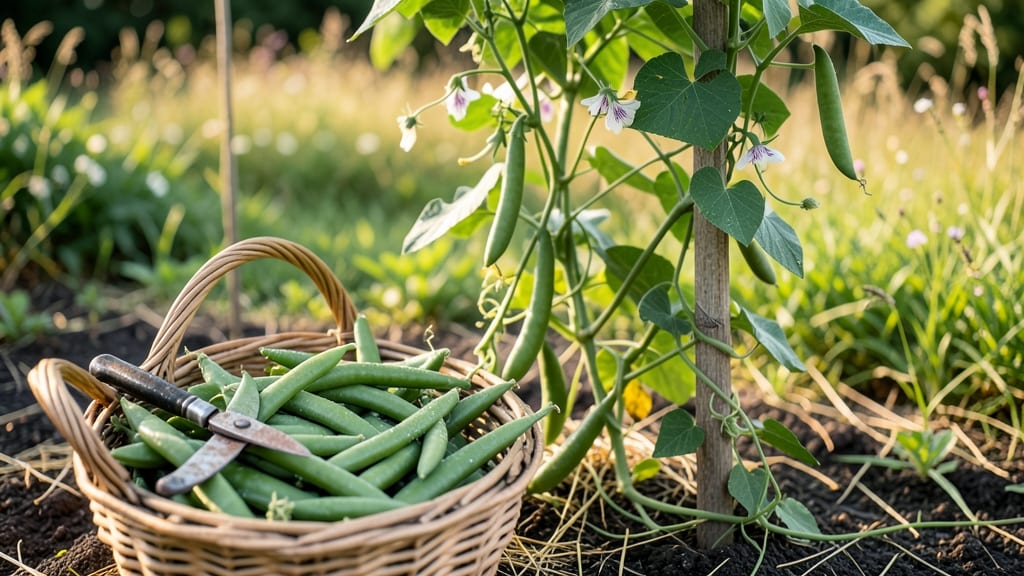
Yes, seeds can reproduce through germination, where stored nutrients trigger root and shoot growth under ideal conditions of moisture, warmth, and oxygen, eventually developing into new plants.
Seeds reproduce by tapping into their built-in survival kit—packed with nutrients and dormant life force. 🌱 When conditions align (like proper moisture and temperature), enzymes activate, breaking down stored food to fuel rapid cell division.
This isn't just random growth; it's a precisely timed biological sequence where the seed "decides" to wake up based on environmental cues, often requiring weeks of patience before you see the first green shoot break through soil.
What's fascinating is how seeds "know" when to sprout. Some need cold periods (a process called stratification), while others wait for fire or even animal digestion to trigger germination. This adaptability explains why seeds can survive for years in dormancy—waiting for the perfect moment to reproduce.
Understanding these triggers helps gardeners and farmers maximize success rates, whether they're planting annual flowers or restoring native ecosystems.
💡 In This Article
- The Science Behind Seed Germination Stages
- Optimal Conditions for Successful Seed Reproduction
The science behind seed germination stages
Seed reproduction begins with a dormant state where metabolic activity is nearly suspended. The process kicks off with imbibition, where the seed absorbs water through its outer coat, swelling by up to 50-100% of its original size.
This hydration triggers enzymatic reactions that break down stored starches into simple sugars, providing immediate energy for cellular repair and reactivation. The seed's genetic programming determines when this awakening occurs—some species require specific temperature cues, while others need light exposure or chemical signals from surrounding plants.
Once activated, the seed enters the radicle emergence stage, where the primary root (radicle) pushes through the seed coat. This stage is critical because the root anchors the seedling and begins absorbing water and nutrients from the soil.
The radicle grows downward due to gravitropism, while the shoot (plumule) remains dormant until conditions are optimal. For example, tomato seeds typically produce a radicle within 3-7 days at 70-80°F, but this timeline can double in cooler temperatures.
The shoot's development is carefully regulated by plant hormones like auxin, which coordinates growth direction and cell elongation.
Shoot development marks the final stage, where the plumule breaks through the soil surface in a process called epigeal or hypogeal germination, depending on whether the cotyledons (seed leaves) remain below or emerge above ground.
During this phase, photosynthesis begins, and the seedling transitions from relying on stored nutrients to producing its own food. Sunflower seeds, for instance, push their cotyledons above soil in just 7-14 days under ideal conditions, while larger seeds like beans may take 2-3 weeks.
This stage is where environmental factors like light quality and soil composition become decisive—too much shade can stunt growth, while proper aeration ensures root development.
What most people don't realize is how tightly seeds control their own reproduction timeline. Some seeds, like those of the stratified species (e.g., apples or peaches), require a cold period to break dormancy, mimicking winter conditions.
Others, like fire-dependent seeds (e.g., certain pines), need heat to trigger germination, ensuring they only grow after wildfires clear competing vegetation. This precision explains why gardeners often struggle with seeds from different climates—what works for a tropical plant in 85°F soil may fail in a 50°F temperate zone.
The entire germination process is a masterclass in biological efficiency. A single seed can contain everything needed for reproduction: genetic instructions, food reserves, and protective coatings. For example, a 1-gram sunflower seed holds enough energy to grow into a 10-foot-tall plant, yet it remains dormant until conditions are perfect.
This adaptability is why seeds have survived for millions of years, evolving to reproduce even in the harshest environments. Understanding these stages helps gardeners and scientists alike predict growth patterns and intervene when problems arise, like fungal infections during radicle emergence or nutrient deficiencies in shoot development.
Here's what's actually happening at a cellular level: When water enters, it reactivates enzymes like amylase, which converts starch into glucose. This sugar fuels mitosis in the meristematic cells (growth zones), where rapid cell division builds the root and shoot structures.
The seed's outer layers also release ethylene gas, a plant hormone that softens the seed coat, making it easier for the radicle to emerge. This entire sequence is orchestrated by the seed's DNA, which has been fine-tuned over generations to respond to specific environmental triggers.