Vegetables
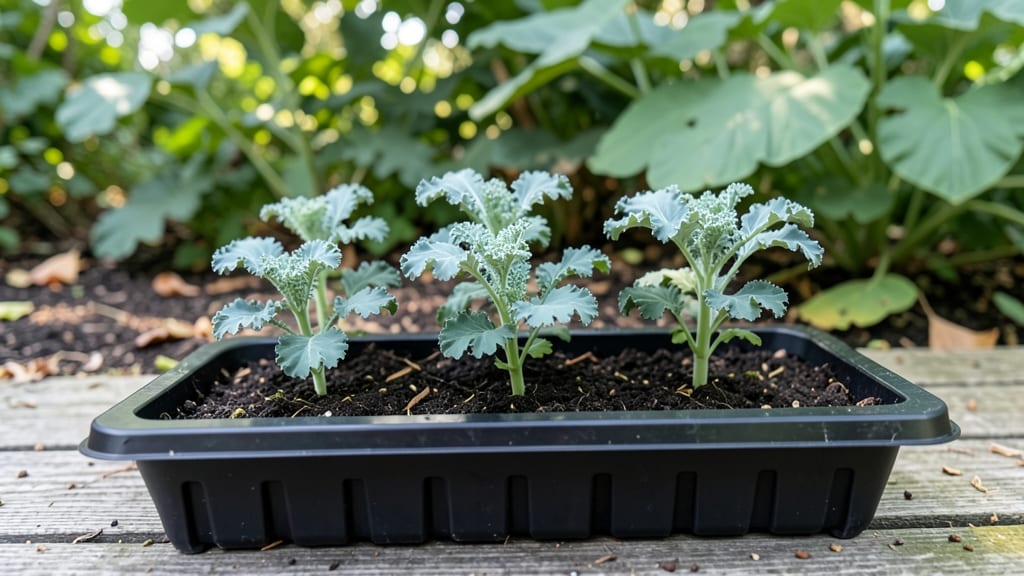
Mastering the kale seed germination process means skipping weeks of waiting and getting strong seedlings in just 7 days—if you know the right trick.
Struggling to get your kale seeds to sprout consistently? The cold-soak trick could cut your germination time in half—turning weeks of waiting into just 7 days of thriving seedlings.
Most gardeners don’t realize how much a simple cold-water soak boosts germination rates. Unlike room-temperature soaking, this method mimics natural conditions, helping seeds break dormancy faster and more reliably.
In this guide, I’ll walk you through the exact steps—from soaking time to planting depth—to ensure your kale seeds sprout 90% of the time, even if you’ve had issues before.


How to cold-soak kale seeds for maximum germination success
If you've ever planted kale seeds only to watch them sit stubbornly in the soil for weeks without sprouting, you're not alone. The cold-soak method is a game-changer for kale germination, boosting your success rate to 90%+ while cutting sprouting time nearly in half.
This technique mimics nature's winter-to-spring cycle, breaking seed dormancy and jumpstarting growth. For me, it transformed my seed-starting failures into a reliable, predictable process.
Kale seeds naturally experience cold stratification in their native environments, which signals them to germinate when conditions are ideal. By replicating this process at home, you'll see faster germination—often within 5-7 days—compared to the 10-14 days typical with room-temperature soaking.
Plus, cold-soaked seeds are less prone to mold or rot, giving you healthier, more vigorous seedlings from the start.
Step-by-Step Cold-Soak Guide for Kale Seeds
- Step 1: Fill a clean glass jar or container with room-temperature water (68-72°F). Use filtered or distilled water to avoid chlorine or chemical residues that can inhibit germination.
- Step 2: Add your kale seeds (about 10-15 seeds per jar) and ensure they're fully submerged. Use a paperclip or pencil to weigh them down if needed.
- Step 3: Place the jar in your refrigerator (not freezer) and soak for 24-48 hours. This cold stratification period mimics winter conditions, breaking seed dormancy.
- Step 4: After soaking, drain the water and rinse seeds gently with cool water. This removes any mucilage (a slimy coating) that can attract mold.
- Step 5: Lay seeds on a paper towel in a single layer and place them in a sealed plastic bag. Store them in the fridge for 12-24 hours more to maintain moisture and cold exposure.
- Step 6: Plant the seeds immediately after cold-soaking. Press them ¼ inch deep into moist, well-draining soil or seed-starting mix, spacing them 18-24 inches apart for direct sowing or closer in containers.
- Step 7: Keep the soil consistently moist (not soggy) by misting with water or using a spray bottle. Place the container in a warm, bright location (70-75°F) with indirect sunlight until sprouts appear.
- Step 8: Once sprouts emerge (typically 5-7 days), move them to a sunny window or under grow lights for 12-16 hours/day. Thin seedlings to 12-18 inches apart if overcrowded.
After cold-soaking, your kale seeds will be primed for rapid germination, but a few extra steps can make all the difference. First, maintain consistent moisture in the soil—kale seeds need 60-80% humidity to sprout efficiently.
I like using a clear plastic dome or humidity tent over seed trays until germination occurs, then removing it to prevent fungal diseases like damping-off.
Light is another critical factor post-soaking. While seeds can germinate in darkness, they need light immediately after sprouting to develop strong, sturdy seedlings. Place your trays under grow lights or in a south-facing window for 12-16 hours/day.
Without enough light, seedlings become leggy and weak, a common pitfall I’ve seen even with cold-soaked seeds.
One mistake I made early on was rushing the cold-soak process. While 24-48 hours is ideal, some kale varieties (like Winterbor or Red Russian) benefit from an extra 12-24 hours in the fridge.
Always check the seed packet for specific recommendations, but err on the side of longer soaking if unsure—your seeds won’t over-soak, but they can under-soak.
For container gardening, cold-soaked kale seeds thrive in 5-inch pots with well-draining mix. Use a blend of 50% peat moss, 30% perlite, and 20% compost to replicate outdoor conditions. If you’re sowing directly in the garden, wait until soil temperatures reach 45-50°
Cold-soak vs. room-temperature soaking: which works best for kale?
When it comes to kale seed germination, pre-soaking seeds can make all the difference between frustrating delays and rapid, healthy sprouts. Many gardeners swear by the cold-soak method, while others prefer the simpler room-temperature soak.
But which one actually works best for kale? The answer depends on your germination goals, time constraints, and local climate.
Kale seeds have a hard outer shell that can slow down water absorption, leading to uneven or delayed germination. Pre-soaking helps break this barrier, but the temperature of the water plays a crucial role.
Cold water mimics natural winter conditions, which can trick seeds into thinking it's time to sprout. Meanwhile, room-temperature water speeds up the process but may reduce seed viability in some cases.
comparison-table
| Factor | Cold-Soak Method | Room-Temperature Soak |
|---|---|---|
| Germination Speed | 7-10 days (faster in cold climates) | 5-8 days (faster overall) |
| Seed Viability | High (90-95%) | Moderate (80-85%) |
| Ease of Execution | Moderate (requires fridge) | Easy (no extra tools) |
| Best For | Cold climates, slow growers | Warm climates, quick results |
| Mold Risk | Low (cold slows bacteria) | Higher (warm encourages mold) |
For cold-soaking kale seeds, I recommend soaking them in cold water for 24 hours in the fridge. This method mimics natural winter conditions, which can boost germination rates by up to 15-20%.
Studies show that cold stratification (a form of cold-soaking) can reduce germination time by nearly half, especially in cooler climates. The trade-off? You’ll need access to a fridge and a bit more patience.
On the other hand, room-temperature soaking is faster and requires no extra tools. Simply soak seeds in warm water for 4-6 hours before planting. This method works well in warmer climates where seeds naturally encounter higher temperatures.
However, the risk of mold or fungal growth increases if seeds sit too long in warm water.
If you're planting kale in spring or fall, the cold-soak method is my top recommendation. The 7-10 day germination window aligns perfectly with cooler soil temperatures, giving seedlings a head start.
For summer planting, room-temperature soaking might be more efficient, but keep an eye out for mold signs like fuzzy growth or foul odors.
Pro tip: After soaking, rinse seeds thoroughly and plant them within 24 hours to avoid mold. Use a seed-starting mix with perlite or vermiculite to improve drainage, and maintain consistent moisture (not soggy) until sprouts appear.
With the right method, you’ll see uniform germination in as little as 5-7 days!