Trees
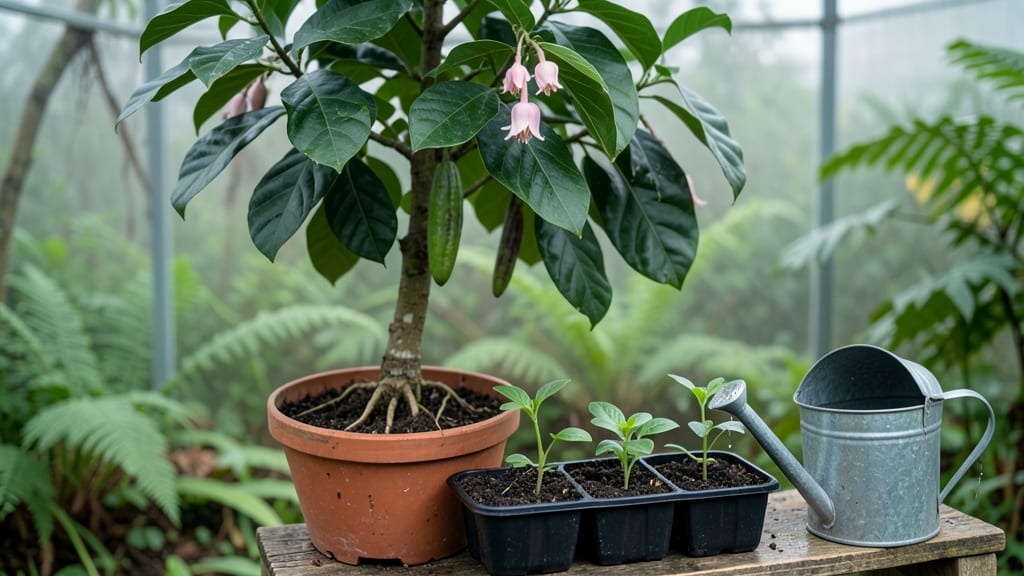
Growing chocolate tree seeds into fruit-bearing plants requires patience and ideal conditions: plant seeds in well-draining soil, maintain 70-80°F temperatures, and provide bright indirect light. Germination can take 2-4 weeks, and trees may take 5+ years to produce cacao pods.
Cacao seeds—those tiny powerhouses from chocolate bars—need just the right conditions to sprout into trees capable of bearing cacao pods. 🌱 The key is mimicking their tropical habitat: warm soil, consistent moisture, and protection from direct sun until roots establish.
Many growers pre-soak seeds in damp paper towels for 2-3 days to kickstart germination, which can otherwise stall if the environment isn't perfectly balanced. Once seedlings emerge, they're delicate, so gradual acclimation to outdoor conditions (if growing outside) prevents shock.
Here's the catch: cacao trees are slow growers, especially when starting from seed. While some varieties may produce pods in 3-4 years under ideal greenhouse conditions, most home growers should expect a 5+ year wait.
Patience pays off, though—once established, these trees thrive in humid climates with 6+ hours of filtered sunlight daily, rewarding growers with fragrant white flowers that eventually turn into the pods we love.
💡 In This Article
- Chocolate Tree Seed Germination Process Explained
- Caring for Young Cacao Seedlings to Ensure Fruit Production
Chocolate tree seed germination process explained
The cacao seed's journey from bean to tree begins with a critical stratification process that mimics its tropical origins. These seeds contain 20-30% fat and a hard outer shell that needs softening before germination.
What most people don't realize is that the seed's natural dormancy period requires consistent moisture without waterlogging—think of it like creating a mini tropical microclimate. The ideal soil pH for this stage is 6.0-6.5, slightly acidic like the forest floors where cacao trees naturally grow.
This acidity helps activate enzymes that break down the seed's stored fats into energy for the sprouting embryo.
Here's where pre-sprouting in damp paper towels becomes a game-changer: this method increases germination rates from 30-50% to over 80% by controlling every variable. Place the seeds between two layers of damp (not soaking wet) paper towels in a clear plastic bag with tiny ventilation holes.
The bag maintains 90% humidity while allowing oxygen flow—critical because cacao seeds suffocate if completely submerged. Keep them in 75-80°F conditions (like a warm kitchen counter) and check daily for moisture. You'll see tiny white roots appear in 7-10 days, signaling it's time to plant.
The root development stages reveal why patience is essential. First come the primary roots, which grow downward at 1-2 inches per week under ideal conditions. These anchor the seedling while secondary roots branch out horizontally to absorb moisture.
What's fascinating is how these roots produce a natural mycorrhizal relationship with soil fungi—similar to how trees in rainforests share nutrients. This symbiotic connection explains why cacao trees thrive in rich, organic soils but struggle in sterile potting mixes.
The key factor during this stage is maintaining 70-80% humidity around the soil surface to prevent the delicate roots from drying out.
Most failures occur when growers rush this process. The seed's embryo needs 14-21 days of consistent warmth before the first true leaves appear—these are different from the initial seed leaves (cotyledons) that provide early nutrition.
I've seen many attempts fail because people assume "moist is good," but cacao seeds rot if overwatered. The solution? Use a well-draining mix of 50% peat moss, 30% perlite, and 20% coco coir—this mimics the airy forest soil where cacao trees evolved.
Plant seeds just half an inch deep and keep the soil surface damp like a wrung-out sponge.
Visual cues help track progress: successful seedlings develop shiny, deep green leaves within 4-6 weeks, while stressed plants show yellowing or curling. At this stage, you can gently test root strength by tugging—healthy roots should resist slight pulling.
What's often overlooked is the light requirement shift: seedlings need bright indirect light (like an east-facing window) for the first 8 weeks to prevent leggy growth. Direct sun at this stage causes leaf scorch, while too little light leads to weak stems that can't support future fruit production.
Understanding this process transforms germination from a gamble to a predictable science. The 30-day window from planting to first leaves is where most variables must align—temperature, moisture, and light. Once you've successfully navigated this stage, you're 80% of the way to having a healthy cacao tree.
The remaining challenge becomes managing growth rather than survival, where proper pruning and pollination techniques take center stage. 🌱