Vegetables
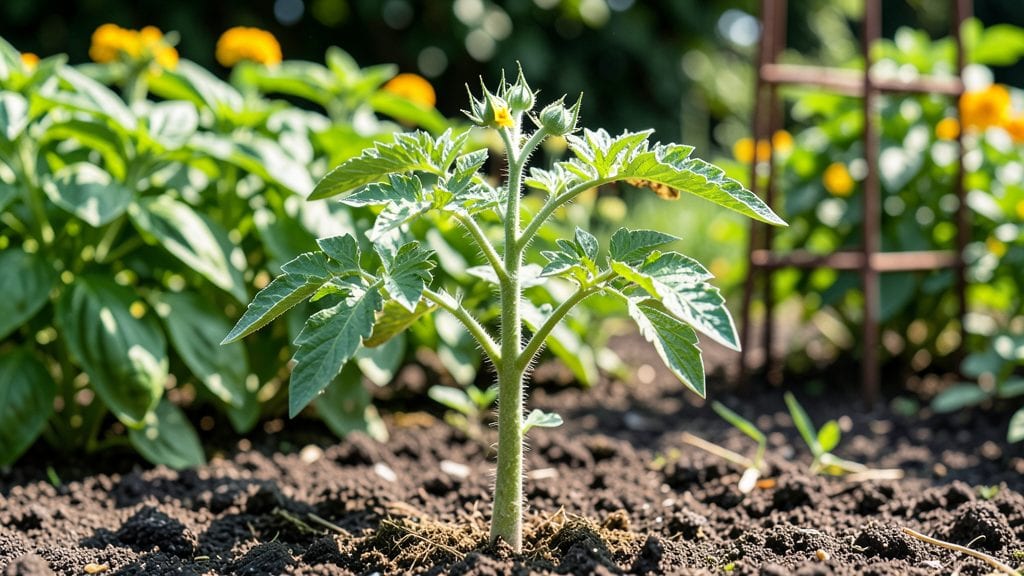
Caring for tomato seedlings transforms floppy stems into sturdy plants ready for your garden. 🌱 I’ve nursed dozens from seed, and the difference between thriving seedlings and leggy failures comes down to light, water, and timing—three things most beginners overlook until it’s too late.
The key is consistent conditions: bright light (14–16 hours daily), bottom-watering to prevent damping off, and soil that stays moist but never soggy. A simple grow light or sunny windowsill keeps seedlings stocky, while overwatering or cold drafts sends them into a death spiral.
I learned that the hard way after losing an entire tray to fungus last spring.
By transplanting at the right size—4–6 inches tall with strong stems—you’ll avoid shock and see plants explode with growth once in the ground. The payoff? Bursting vines heavy with fruit by midsummer, all because you gave them the perfect start. Let’s get those seedlings growing right.
Works for both indoor starts and outdoor nurseries, and the same principles apply whether you’re growing heirlooms or hybrids. Here’s exactly how to keep them healthy every step of the way.
📚 In This Guide
- What you need
- Instructions
- Tips and common mistakes
- Wrapping up and next steps
What you need
- ● Seedling trays or pots: 4–6 inch deep containers (biodegradable or plastic). Quantity: 1–2 per seedling (or a tray with 12+ cells).
- ● High-quality seed starting mix: Lightweight, sterile potting soil (avoid garden soil—it’s too dense!). Quantity: Enough to fill your trays (about 1–2 cubic feet for a standard tray).
- ● Tomato seeds: Heirloom or hybrid varieties (choose disease-resistant types if needed). Quantity: 2–3 seeds per cell/pot (you can thin later!).
- ● Grow lights or sunny windowsill: A full-spectrum LED grow light (12–16 hours/day) or a south-facing window with 6+ hours of sunlight.
- ● Misting bottle or spray nozzle: For gentle watering (avoid drowning seeds!).
- ○ Heat mat (optional but helpful): Keeps soil warm (70–85°F) for faster germination. Size: Fits under your seedling tray.
- ● Fertilizer: A balanced, water-soluble fertilizer (5-10-5 or 10-10-10) or organic options like fish emulsion. Dilution: Half-strength until seedlings are 2–3 weeks old.
- ● Plant labels & marker: Track varieties and planting dates (trust us, you’ll forget!).
- ● Humidity dome or plastic wrap: Retains moisture while seeds germinate.
- ● Fans: For gentle airflow to strengthen seedlings (prevents leggy growth).
- ● pH test kit: Ensures soil pH is 6.0–6.8 (tomatoes love slightly acidic soil).
- ● Seedling heaters: Portable options for cooler homes.
- ● Compost or worm castings: Boosts nutrients once seedlings are established.
Step-by-step instructions for tomato seedling care
Here's how to nurture strong, healthy tomato seedlings that'll thrive through transplanting and beyond.
🌱 Step 1: Provide Consistent Light for Compact Growth
Tomato seedlings need 14-16 hours of light daily to grow sturdy and avoid leggy stems. Place them under a grow light positioned 2-4 inches above the tallest seedling. You'll notice strong seedlings have thick stems and dark green leaves spaced closely together.
Move the light higher as seedlings grow to maintain that distance. Without enough light, seedlings stretch toward the source, creating weak stems that'll snap during transplanting. I raise my lights weekly to keep them just above the top leaves.
💧 Step 2: Water Gently at Soil Level
Water seedlings when the top inch of soil feels dry to the touch. Use a watering can with a narrow spout to direct water at the soil surface, not the leaves. You'll see perfectly moist seedlings with no yellowing leaves.
Overwatering causes damping-off disease, which collapses seedlings overnight. I water in the morning so excess moisture evaporates during the day. Always use room-temperature water to avoid shocking the roots.
☀️ Step 3: Fertilize Lightly After First True Leaves
Once seedlings develop their first true leaves (not the initial seed leaves), feed them with a balanced liquid fertilizer diluted to half-strength. This gives them a gentle nutrient boost without burning tender roots.
I use a 10-10-10 formula every 2 weeks until transplanting. Too much fertilizer now causes rapid but weak growth. Watch for dark green leaves with no yellowing—this means your feeding is just right.
✂️ Step 4: Harden Off Before Transplanting
Two weeks before your last frost date, start hardening off seedlings by placing them outside in a sheltered spot for 1-2 hours daily. Gradually increase time over 10-14 days until they can handle full sun.
You'll know they're ready when seedlings look slightly stressed but recover after a full day outside. Transplant on an overcast afternoon to reduce shock. Avoid transplanting when temperatures exceed 85°F—seedlings will wilt.
🌿 Step 5: Support and Prune for Strong Growth
After transplanting, stake each seedling with a 6-foot tall stake or use cages. Prune suckers (side shoots in leaf axils) when they're 2-3 inches long to direct energy to fruit production.
Remove any leaves touching the soil to prevent disease. I prune in the morning so wounds have all day to heal. Your goal is a main stem with strong branches—this creates a productive plant that won't flop under heavy fruit loads.
Tips & tricks for perfect tomato seedling care
Here's what nobody tells you about growing tomato seedlings that actually make it to harvest—these tricks make all the difference.
The Light Factor: That 14-16 hour daily light requirement is non-negotiable for sturdy seedlings. I've seen grow lights fail by not accounting for the natural light cycle—set a timer for your lights to automatically turn on at dawn and off at dusk. This mimics sunlight perfectly and prevents leggy growth. If you're using natural light, rotate your seedlings daily so they don't lean toward one side, creating uneven stems.
Watering Wisdom: The top inch dry test is your best friend, but here's the thing: morning watering isn't just about evaporation—it's about giving the soil time to dry slightly between waterings. Wet soil for too long creates the perfect conditions for damping-off disease. I've lost entire trays of seedlings to this silent killer, so always water at soil level and avoid wetting the leaves. A spray bottle with a fine mist setting works perfectly for seedlings.
Fertilizer Timing: That first true leaf is your cue to start fertilizing, but don't overdo it! I've made the mistake of using full-strength fertilizer too early, which burns delicate roots. Stick to half-strength 10-10-10 every 2 weeks, and watch for those dark green leaves—yellowing means you're overdoing it. If you notice leaves curling or brown tips, flush the soil with plain water to reset the nutrient balance.
Harden Off Smartly: The 1-2 hour daily outdoor exposure is just the beginning of hardening off. I've found that gradually increasing time by 30 minutes every 2-3 days (instead of daily) gives seedlings a gentler transition. Also, choose sheltered spots that protect from wind—seedlings can get sunburned even on cloudy days. The goal is to toughen them up without shocking their systems, so take it slow and watch for wilting as your indicator.
Pro Tips for Tomato Seedling Care
- Here's what nobody tells you about growing tomato seedlings that actually make it to harvest—these tricks make all the difference.
- The Light Factor: That 14-16 hour daily light requirement is non-negotiable for sturdy seedlings.
- Watering Wisdom: The top inch dry test is your best friend, but here's the thing: morning watering isn't just about evaporation—it's about giving the soil time to dry slightly between waterings.
Frequently asked questions
Got questions about nurturing your tomato seedlings? You’re not alone! Here are answers to the most common concerns—so you can grow confidently from seed to harvest.
How long do tomato seedlings need before transplanting?
Most tomato seedlings are ready to transplant outdoors 6–8 weeks after germination, or when they’ve developed 2–3 true leaves and a sturdy stem. If nighttime temps drop below 50°F (10°C), wait until soil warms up or use row covers to protect them. Hardening off (acclimating seedlings to outdoor conditions) for 7–10 days before transplanting helps prevent shock.
Why are my tomato seedlings stretching or leaning?
This is called etiolation, usually caused by lack of light or overcrowding. Move seedlings to a sunny window or grow light (12–16 hours/day) and ensure they’re 6–12 inches apart in trays. If they’re already leggy, bury them deeper when transplanting—the buried stem will root and stabilize the plant. Avoid fertilizing until after transplanting to prevent further stretching.
Can I reuse soil from last year’s tomato seedlings?
It’s not recommended unless you’ve sterilized it. Tomato seedlings (and mature plants) are prone to diseases like damping-off, blight, or Fusarium wilt, which can linger in old soil. Instead, use fresh potting mix or pasteurize soil by baking it at 180°F (82°C) for 30 minutes. For containers, opt for sterile seed-starting mix to reduce risks.
How often should I water tomato seedlings?
Keep soil consistently moist but not soggy—water when the top inch feels dry. Overwatering can cause root rot, while underwatering leads to weak, leggy seedlings. Use a spray bottle or watering can with a fine rose to avoid disturbing seedlings. Bottom-watering (placing trays in shallow water) also encourages deep root growth. Morning watering is ideal to reduce fungal risks.
What’s the best temperature for tomato seedling growth?
Tomato seeds germinate best at 70–85°F (21–29°C), while seedlings thrive in 60–75°F (15–24°C) daytime temps. Avoid cold drafts or heat mats above 85°F (29°C), which can stunt growth. If your home is too cool, use a seedling heat mat (70–75°F) or place trays on top of the fridge. Once seedlings sprout, move them to the warmest, sunniest spot in your home.
How do I prevent damping-off disease in seedlings?
Damping-off is a fungal disease that causes seedlings to wilt and collapse. To prevent it:
- Use sterile potting mix and clean containers.
- Avoid overwatering—let soil dry slightly between waterings.
- Space seedlings for good airflow (2–3 inches apart).
- Water at soil level (not overhead) to keep leaves dry.
- Consider a fungicide spray (like neem oil) if you’ve had issues before.
Wrapping up and next steps
Caring for tomato seedlings may seem like a big task, but with the right knowledge and a little patience, you’ll be rewarded with a bountiful harvest! Remember, consistent watering, proper sunlight, and attentive pruning are the keys to strong, healthy plants.
Whether you’re a beginner or a seasoned gardener, every seedling has the potential to thrive with your care.
Now that you’re armed with the essentials, it’s time to roll up your sleeves and get growing! Start with just one seedling—or a whole tray—and watch your garden transform. Happy planting! 🌱🍅