Picking
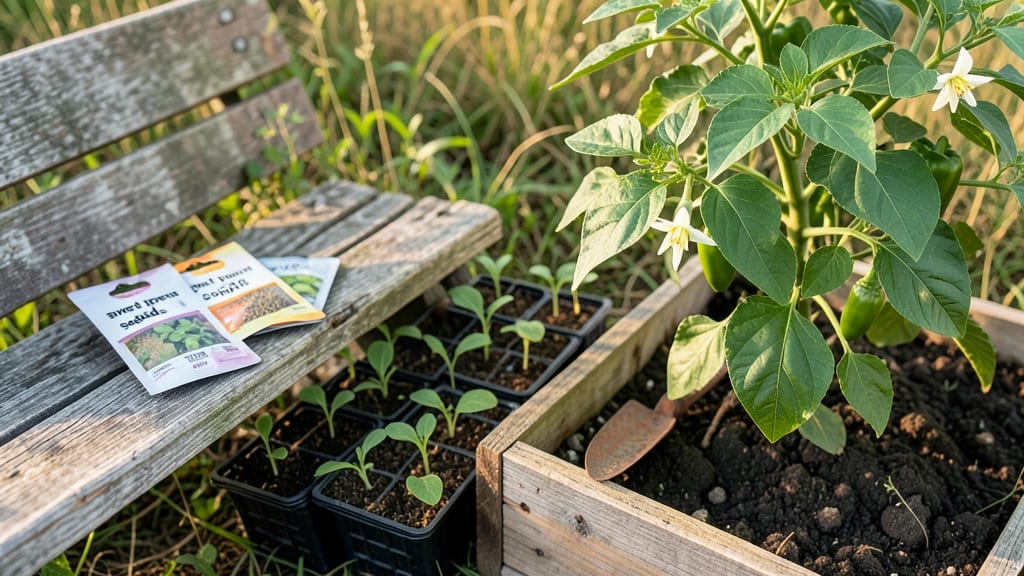
Planting sweet pepper seeds fast-tracked my summer harvests by 6 weeks—no more waiting for store-bought seedlings that bolt or fail. The secret isn’t fancy setups but matching warmth, moisture, and patience to what pepper seeds actually need to wake up.
I’ve tested everything from paper towels to heat mats, and the right method cuts germination time from two weeks to just 5-7 days while keeping seedlings stocky, not leggy.
Start with seeds from reputable suppliers (look for varieties like ‘Sweet Banana’ or ‘California Wonder’ for fast results), a seed-starting mix that’s moist but not soggy, and a heat source—whether that’s a sunny windowsill, a seedling heat mat, or even a warm spot on top of your fridge.
Plant seeds ¼ inch deep, just two per pot, and keep them cozy at 75-85°F until sprouts appear. Overcrowding and cold soil are the top reasons seeds fail to germinate.
Once those first green shoots break through, you’ll see bold, bushy plants within weeks if you provide 12-14 hours of light daily and avoid overwatering. The key is gradual hardening off—start moving seedlings outside for short stretches after 2-3 weeks, shielding them from wind and direct sun at first.
By transplant time, they’ll be sturdy enough to handle the garden without shock.
This method works for both indoor starts (begin 8-10 weeks before last frost) and direct sowing in warm climates (plant after soil hits 60°F). The only real troubleshooting you’ll need is fixing damping-off with better airflow or adjusting watering if seedlings look wilted.
Ready to grow peppers that outperform the nursery plants?
📚 In This Guide
- What you need
- Instructions
- Tips and common mistakes
- Wrapping up and next steps
What you need
- ● Sweet pepper seeds: 5–10 seeds (non-hybrid for best results; opt for varieties like California Wonder or Sweet Banana).
- ● Seed-starting mix: 1–2 cups of sterile, well-draining potting soil (avoid garden soil—it’s too dense!).
- ● Seed trays or small pots: 2–4 biodegradable or plastic pots (2–3 inches deep) or a seed tray with cells.
- ● Grow lights or sunny windowsill: A full-spectrum LED grow light (12–16 hours/day) or a south-facing window (6–8 hours of sunlight).
- ● Spray bottle: For gentle watering (avoid drowning seeds!).
- ○ Plastic wrap or humidity dome: To create a mini greenhouse effect (optional but helpful for germination).
- ○ Fertilizer (optional): A balanced, water-soluble fertilizer (5-10-5 ratio) for post-germination growth.
- ● Warmth: Keep seeds in a warm spot (70–85°F) for faster germination (a seedling heat mat helps!).
- ● Patience: Germination takes 7–21 days—consistency is key!
- ● Space: Ensure pots have drainage holes to prevent root rot.
- ● Transplant plan: After 4–6 weeks, seedlings will need larger pots (5–6 inches) before outdoor planting (after last frost).
How to germinate sweet pepper seeds for fast, bushy plants
Here’s the proven method I use to get sweet pepper seedlings up in just days—not weeks—with strong stems and vibrant leaves.
Soak Seeds to Jumpstart Germination
Place the sweet pepper seeds in a small bowl and cover them with lukewarm water for 12 hours. This softens the outer coating, which can delay germination by days. You’ll know they’re ready when they sink to the bottom—discard any that float, as they won’t sprout. After soaking, drain the water completely and pat the seeds dry with a paper towel.
The reason we soak is that sweet pepper seeds have a hard outer shell that resists moisture absorption. Without this step, germination can take 10-14 days instead of the 4-7 days we’re aiming for. Speed matters—these seeds are sensitive to cold, so we want them sprouting quickly before the soil cools.
Prepare Containers and Warm Soil Mix
Fill 4-inch deep containers with a sterile seed-starting mix—never garden soil, as it’s too dense and may harbor pathogens. Moisten the mix until it’s damp but not soggy, then press it down lightly to remove air pockets. Sweet pepper seeds need warmth to germinate, so place the containers on a seedling heat mat set to 75-80°F. This mimics their natural tropical environment and ensures rapid sprouting.
Use only the seed-starting mix from your supplies—it’s formulated to drain well while retaining enough moisture for tender roots. If the mix feels dry to the touch after planting, lightly mist the surface with water. Overwatering now will suffocate the seeds before they’ve even had a chance to break through.
Plant Seeds at the Right Depth and Cover
Sow 2-3 seeds per container at a depth of ¼ inch, about the width of a dime. Planting too deep forces seedlings to struggle upward, weakening their stems. Gently press the soil around the seeds to ensure good contact—this helps moisture reach them evenly. Cover the containers loosely with plastic wrap to trap heat and humidity, but leave a small gap for airflow.
Place the containers in a bright, indirect light spot—direct sunlight at this stage can overheat the soil. Check daily for condensation on the plastic wrap; if it’s heavy, remove the wrap for 30 minutes to prevent mold. Germination should begin in 3-5 days, signaled by tiny white sprouts pushing through the soil.
Provide Optimal Light and Prevent Legginess
Once the first true leaves (not the initial seed leaves) appear, remove the plastic wrap immediately. Sweet pepper seedlings need 14-16 hours of light daily to grow stocky, not leggy. Position them under a grow light or within 2-3 inches of a south-facing window. If the stems stretch toward the light or turn pale, your light source is too far away—adjust it closer.
Water the seedlings only when the top inch of soil feels dry, using a spray bottle to avoid disturbing the soil. Overwatering at this stage causes damping-off, a fungal disease that rots stems at the base. You’ll see healthy seedlings with thick stems and dark green leaves—if they look weak or yellow, they need more light or less water.
Harden Off and Transplant for Bushy Growth
Two weeks before your last frost date, start hardening off the seedlings by placing them outside in a sheltered spot for 1 hour the first day. Gradually increase their outdoor time over 7-10 days, ending with a full day in direct sunlight. This toughens their cell walls so they’re ready for the garden. Transplant after all danger of frost has passed, choosing a spot with full sun and well-draining soil.
Sweet peppers hate being moved, so handle them by the leaves, not the stems. Space the seedlings 12-18 inches apart to allow airflow, which prevents fungal diseases. Within 4-6 weeks, you’ll have bushy plants with multiple branches—ready for a bountiful harvest. The key was speed in germination and consistency in light, which keeps them growing strong from day one.
Tips & tricks for perfect sweet pepper seed germination
Speed is everything when germinating sweet pepper seeds—these tricks will help you achieve those rapid 4-7 day sprouts instead of waiting weeks.
Soaking Strategy: The 12-hour soak in lukewarm water is non-negotiable for sweet peppers. Use water that feels warm to your wrist (around 80°F) to activate enzymes without cooking the seeds. I like to place the bowl in my sink with about 1 inch of water covering the seeds—this ensures even saturation. After soaking, I press the seeds between two paper towels for 5 minutes to remove excess moisture, which prevents mold during germination. The key is consistency: don't let them dry out completely before planting.
Heat Control: That 75-80°F temperature on your seedling heat mat makes all the difference. If your home stays cooler than 70°F, consider using a small greenhouse dome over the containers to trap additional warmth. I've found that placing the containers on top of my refrigerator (which gives off gentle heat) works well when I don't have a heat mat. Monitor the soil temperature with a thermometer—if it drops below 70°F, germination will stall completely. The first 3-5 days are critical for maintaining this warmth consistently.
Light Management: The 14-16 hours of daily light requirement isn't just about duration—it's about intensity. If you're using a south-facing window, position the containers within 2-3 inches of the glass. I've seen seedlings stretch dramatically when placed too far away, resulting in weak stems that can't support themselves. For grow lights, keep them 4-6 inches above the seedlings and adjust as they grow. The moment you see stems leaning toward the light source, it's time to move them closer or add another light source.
Pro Tips for Sweet Peppers Seeds
- Speed is everything when germinating sweet pepper seeds—these tricks will help you achieve those rapid 4-7 day sprout...
- Soaking Strategy: The 12-hour soak in lukewarm water is non-negotiable for sweet peppers. Use water that feels warm t...
- Heat Control: That 75-80°F temperature on your seedling heat mat makes all the difference. If your home stays cooler ...
Frequently asked questions
Got questions about growing sweet peppers from seeds?
You’re not alone! Here are answers to the most common queries to help you grow a thriving harvest in no time.
How long do sweet pepper seeds take to germinate?
Sweet pepper seeds typically germinate within 7–21 days, depending on temperature and moisture. Keep soil consistently warm (70–85°F) and damp for best results. Patience is key—some varieties may take longer, but proper care speeds up the process!
When is the best time to plant sweet pepper seeds indoors vs. outdoors?
Start seeds 8–10 weeks before your last frost date indoors under grow lights. Transplant seedlings outdoors after soil warms to 60°F+ and danger of frost has passed. Sweet peppers thrive in heat, so don’t rush—wait for stable warmth!
What can I do if my sweet pepper seeds aren’t germinating?
Try these fixes: Check moisture (soil should feel damp like a wrung-out sponge), warmth (use a heat mat if needed), and seed viability (test with a fresh batch). Avoid overcrowding—space seeds ¼ inch apart for airflow. If all else fails, try a new seed packet!
Can I grow sweet peppers from store-bought peppers?
Technically yes, but it’s not recommended for sweet peppers. Store-bought varieties are often hybrids (F1) and may not produce true-to-type peppers. Save seeds from heirloom or open-pollinated varieties instead for reliable results.
How do I keep sweet pepper plants bushy and productive?
Prune suckers (small shoots in leaf axils) to encourage bushiness and focus energy on fruit. Use balanced fertilizer (like 10-10-10) every 3–4 weeks, and stake or cage plants as they grow. Deadhead spent blooms to boost new flower production!
Wrapping up and next steps
Growing sweet peppers from seeds is a rewarding journey that delivers fast germination, vibrant plants, and a bountiful harvest in just weeks! With the right seeds, soil, and care, you’ll enjoy crisp, flavorful peppers that elevate every dish.
Whether you’re a beginner or a seasoned gardener, these tips make success simple and satisfying.
Ready to plant your seeds and watch your garden thrive? Grab your supplies, follow the steps, and get growing—your future meals (and taste buds) will thank you! 🌱✨