
Featured
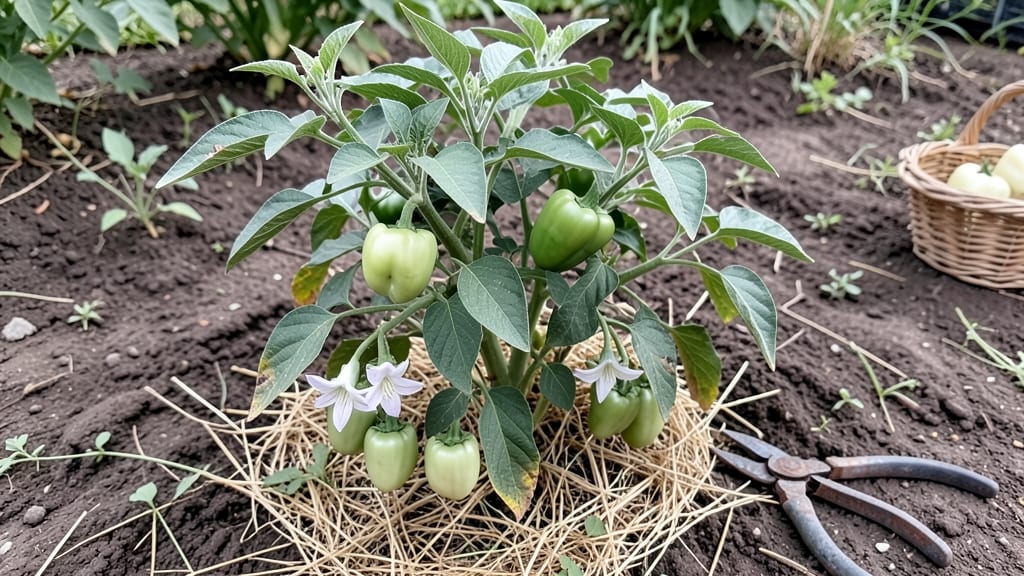
Can dogs eat bell pepper seeds? Yes, in small amounts—they’re non-toxic and safe occasionally, though they offer little nutritional value compared to the fruit itself. Just avoid large quantities or seeds from spicy varieties, which can cause stomach upset.
Bell pepper seeds are generally safe for dogs because they lack the toxic compounds found in some other garden seeds, like tomato seeds. 🌶️ However, their high fiber content means feeding too many can lead to digestive issues like gas or diarrhea.
I recommend sticking to just a few seeds at a time—think of them as an occasional treat rather than a dietary staple. For extra safety, you might opt for seedless bell pepper strips, which eliminate any risk of choking while still providing the fruit's benefits.
If you're unsure whether your dog will tolerate bell pepper seeds, start with a tiny amount and monitor their reaction. Always remove seeds from spicy varieties, as capsaicin—the compound that makes peppers hot—can irritate a dog's mouth and digestive system.
When in doubt, the fruit itself is a much safer and more nutritious option for your pup.
💡 In This Article
- Bell Pepper Seed Safety: Toxicity and Digestive Risks for Dogs
- Feeding Bell Peppers to Dogs: Best Practices and Serving Tips
Bell pepper seed safety: toxicity and digestive risks for dogs
Bell pepper seeds are non-toxic to dogs because they lack the harmful compounds found in many other plant seeds, such as solanine in tomato seeds or cyanogenic glycosides in apple seeds. The seeds themselves contain minimal nutritional value—mostly fiber and trace vitamins—but their safety comes from their chemical composition.
Unlike seeds from nightshades or certain fruits, bell pepper seeds don’t contain alkaloids or toxins that could harm your dog. However, their high fiber content means eating too many can overwhelm a dog’s digestive system, leading to gas or mild diarrhea.
The real risk lies in the physical properties of the seeds rather than their toxicity. Bell pepper seeds are small but hard, making them a potential choking hazard for small dogs or those who gulp food quickly.
A single seed might not cause an issue, but a handful could pose a serious obstruction. For comparison, apple seeds contain trace amounts of cyanide, while tomato seeds are generally safe but can cause mild stomach upset in large quantities.
Bell pepper seeds fall somewhere in the middle—safe in moderation but best avoided in excess.
Spicy pepper varieties like jalapeños or habaneros introduce an entirely different risk: capsaicin, the compound that makes them hot. This irritant can cause burning sensations in a dog’s mouth, excessive drooling, and even vomiting.
The seeds in these peppers contain higher concentrations of capsaicin than the surrounding flesh, so they’re particularly dangerous.
Even a single seed from a hot pepper can trigger gastrointestinal distress. 🔥 For this reason, it’s best to avoid feeding seeds from any pepper variety that’s not specifically labeled as mild or sweet.
If you’re considering adding bell pepper seeds to your dog’s diet, focus on preparation. Removing seeds entirely eliminates choking hazards and reduces fiber intake.
For small dogs or those with sensitive stomachs, seedless bell pepper strips are an ideal alternative—they provide the fruit’s vitamins (like vitamin C and potassium) without the risks. Always introduce new foods gradually, starting with just a few seeds or a small piece of fruit to monitor your dog’s reaction.
The key factor in determining safety isn’t just the seed itself but how it’s served. Cooked bell peppers are often easier for dogs to digest than raw ones, as cooking softens the texture and breaks down some of the fiber.
However, avoid seasonings like garlic, onion, or excessive salt, which are toxic to dogs. When in doubt, the fruit’s flesh is always the safer choice—it offers more nutritional benefits with fewer risks.
Here’s what to watch for after feeding bell pepper seeds: excessive drooling, vomiting, diarrhea, or lethargy. These could signal an adverse reaction, though they’re more likely from spicy seeds or large quantities. If you notice any of these symptoms, contact your veterinarian immediately.
Most dogs tolerate a few seeds without issue, but every pup is different—so when in doubt, opt for the seedless version of this colorful vegetable.