
Watering
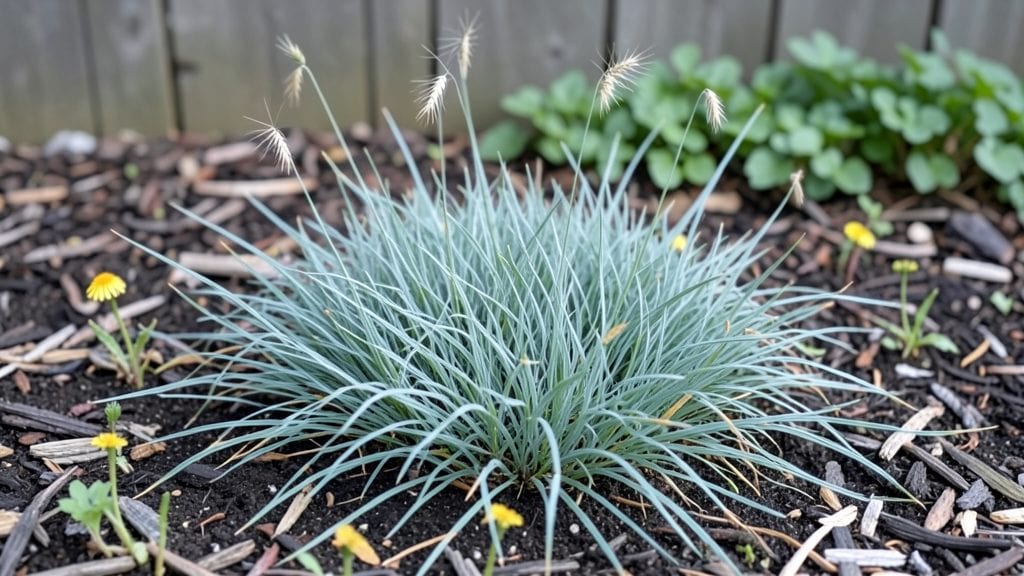
Balancing moisture for Kentucky bluegrass seedlings transforms patchy lawns into lush, weed-resistant carpets. I learned the hard way—overwatering drowns roots while underwatering leaves them shallow and vulnerable. The trick isn’t just keeping soil damp; it’s creating the right conditions for deep, resilient growth from day one.
Start with a fine seed-to-soil mix that holds moisture without staying soggy. Plant when daytime temps are between 60-75°F, then water gently twice daily—just enough to keep the top inch moist. A sprinkler with a fine mist setting works best, avoiding heavy streams that disturb seedlings.
Within two weeks, you’ll see those first true leaves pushing through, signaling roots are finding their way downward.
What you’ll end up with is a lawn that stays green through summer droughts and recovers faster from foot traffic. The roots grow deep enough to outcompete weeds naturally, and the grass develops that signature velvety texture that makes Kentucky bluegrass worth the effort.
The key is consistency—stick to the moisture schedule for the first 30 days, and you’ll break the cycle of weak, shallow growth.
This method works for both new lawns and patch repairs, though timing matters most in early spring or fall. For established lawns, focus on the edges where grass thins—those are the spots where the moisture trick makes the biggest difference. Let’s get those seedlings off to the right start.
📚 In This Guide
- What you need
- Instructions
- Tips and common mistakes
- Wrapping up and next steps
What you need
- ● Kentucky bluegrass seed – 1-2 lbs per 100 sq ft (choose a high-quality, certified variety for best results).
- ● Well-draining soil – A mix of 60% topsoil, 30% sand, and 10% compost (or a pre-mixed lawn seed starter blend).
- ● Garden rake – For leveling soil and creating a fine seedbed.
- ○ Lawn roller (optional but helpful) – A 50-100 lb roller to lightly compact soil after seeding.
- ● Watering can or hose with a gentle spray nozzle – For fine misting (avoid high-pressure streams).
- ● Mulch or straw – ¼-inch layer to retain moisture and protect seedlings.
- ○ Soaker hose (optional) – For even, deep watering without disturbing soil.
- ● Gloves – To protect hands while handling soil and seed.
- ● Pruning shears (for edging) – If seeding around existing lawn or garden beds.
- ● Weather forecast check – Aim to plant when 5-7 days of rain-free weather are predicted.
- ○ pH test kit (optional) – Ideal soil pH for Kentucky bluegrass is 6.0-7.0; adjust with lime if needed.
Instructions for cultivating healthy Kentucky bluegrass seedlings
Here's the straightforward approach I use to ensure your seedlings develop strong root systems and establish quickly.
Prepare the Soil for Optimal Moisture Retention
Start by loosening the top 6 inches of soil in your planting area with a garden fork or tiller. This breaks up compaction and allows roots to penetrate easily. If your soil drains too quickly, mix in 1 inch of compost to improve moisture retention without making it soggy. The goal is a crumbly texture that holds water like a well-wrung sponge.
Test the moisture level by grabbing a handful of soil—it should hold together when squeezed but not leave water dripping. If it feels dry, water the area thoroughly 24 hours before planting to ensure even moisture throughout. Overwatering now will only lead to runoff, so aim for dampness, not saturation.
Sow Seeds at the Right Depth and Spacing
Use a broadcast spreader or scatter seeds by hand, aiming for a coverage rate of about 10-12 pounds per 1,000 square feet. Lightly rake the seeds into the soil with a fine-toothed rake, ensuring they’re buried no deeper than ¼ inch. Deeper planting delays germination because seedlings must push through more soil to reach light.
Press the seeds gently into the soil with the back of a rake to ensure good seed-to-soil contact. This small step makes a big difference in germination rates. Avoid walking on the area—your weight can displace seeds or compact the soil, creating uneven growth conditions.
Maintain Consistent Moisture Without Overwatering
Water the area immediately after sowing to settle the seeds and moisten the soil to a depth of 2-3 inches. Use a gentle sprinkler or soaker hose to avoid dislodging seeds. The key here is to keep the soil evenly moist but not waterlogged—think of a damp sponge rather than a dripping one.
Check moisture daily by pressing your finger into the soil. If the top ½ inch feels dry, water lightly again. Kentucky bluegrass seedlings are sensitive to fluctuations, so aim for ½ to 1 inch of water per week, adjusting for rainfall. Too little water stresses the seedlings, while too much suffocates roots and invites disease.
Monitor for Germination and Adjust Care
Germination typically occurs within 7-21 days, depending on soil temperature and moisture. You’ll notice tiny green shoots emerging first—this is your cue that the seeds have taken hold. Once 50% of seeds have sprouted, reduce watering slightly to prevent fungal growth, but keep the soil moist enough to support root development.
Thin seedlings to 3-4 inches apart once they reach 2-3 inches tall, using scissors to avoid pulling. This prevents overcrowding and ensures each plant has enough nutrients and space to grow. Watch for signs of stress like yellowing leaves—this often means the soil is too dry or too wet, and adjusting your watering schedule will correct it.
Transition to Independent Growth
After 4-6 weeks, when seedlings are 3-4 inches tall and have developed a deeper root system, gradually reduce watering to encourage deeper root growth. Let the top 1 inch of soil dry out slightly between waterings, which trains the grass to seek moisture below the surface.
Mow when the grass reaches 3-4 inches tall, using a sharp blade set to 2-3 inches to avoid damaging the crown. This final step ensures your Kentucky bluegrass establishes a dense, resilient stand that can handle foot traffic and seasonal changes.
Tips & tricks for perfect Kentucky bluegrass seedling establishment
Getting Kentucky bluegrass seedlings off to the right start means paying close attention to moisture balance—here are the key tricks that make all the difference.
Soil Prep Secret: When loosening the top 6 inches of soil in Step 1, don't just break up clumps—aim to create a fine, crumbly texture throughout. I like to use a garden fork to create vertical channels that will guide roots downward. This isn't just about aeration; it's about creating pathways for moisture to penetrate deeply, which is crucial for those first critical weeks when roots are establishing. The goal is to mimic nature's spongy forest floor where water drains but stays available.
Timing is Everything: That 24-hour pre-planting watering in Step 1 deserves special attention. Set a reminder to water exactly 24 hours before sowing—this ensures the soil is uniformly moist without being waterlogged. I've learned this the hard way: watering too early can lead to evaporation, while waiting until planting day might leave the soil dry at the critical moment when seeds need that perfect moisture environment to germinate.
Germination Cues: In Step 4, when you notice those first tiny green shoots, you're seeing the most vulnerable stage of your seedlings. At this point, I switch to watering in the early morning so any moisture on the leaves has time to evaporate before evening. This simple adjustment reduces the risk of fungal diseases that thrive in damp conditions overnight. Watch for 50% germination before making any changes to your watering schedule—this is your signal that roots are actively growing.
Thinning Technique: When thinning seedlings to 3-4 inches apart in Step 4, use sharp scissors to cut rather than pulling by hand. This prevents disturbing the roots of nearby seedlings. I've found that cutting also reduces the risk of exposing the root crowns, which can lead to stress and disease. Time your thinning for a cloudy day to minimize stress on the remaining plants—direct sunlight after thinning can cause temporary wilting.
Pro Tips for Kentucky Bluegrass Seedling
- Getting Kentucky bluegrass seedlings off to the right start means paying close attention to moisture balance—here are the key tricks that make all the difference.
- Soil Prep Secret: When loosening the top 6 inches of soil in Step 1, don't just break up clumps—aim to create a fine, crumbly texture throughout.
- Timing is Everything: That 24-hour pre-planting watering in Step 1 deserves special attention.
Frequently asked questions
Got questions about nurturing Kentucky bluegrass seedlings? You’re not alone! Here are the answers to the most common concerns—so you can grow a lush, resilient lawn without the guesswork.
How often should I water Kentucky bluegrass seedlings?
Keep the soil consistently moist (like a wrung-out sponge) for the first 2–3 weeks—watering lightly 2–3 times daily (early morning, midday, and evening). Once sprouts appear, reduce to 1–1.5 inches per week, prioritizing deep, infrequent watering to encourage root growth. Overwatering is just as harmful as underwatering!
When is the best time to plant Kentucky bluegrass seedlings?
For optimal success, plant late summer to early fall (August–September in most regions). Cooler temps and higher humidity reduce stress, while soil stays warm enough for quick root establishment. Avoid spring planting—seedlings struggle with heat and drought. Pro tip: Test soil moisture before planting; it should feel damp but not soggy.
What if my seedlings look yellow or wilted?
Yellowing often signals overwatering or poor drainage, while wilting usually means underwatering or heat stress. Check soil moisture 1–2 inches deep—if it’s dry, water deeply; if it’s muddy, let it dry slightly between waterings. Thin seedlings if overcrowded (aim for 1–2 inches apart) to improve airflow and reduce disease risk.
Can I use Kentucky bluegrass seed instead of seedlings?
Seedlings
give you a head start (60–90 days faster than seed), but seed is cheaper and easier to find. If using seed, follow the same moisture rules: keep it damp until germination (7–21 days). Seedlings need more care early on, but both methods thrive with patience and consistent watering.
How do I protect seedlings from pests or weeds?
Prevent weeds by laying cardboard or landscape fabric before planting, then mulch lightly with straw. For pests (like grubs or chinch bugs), use neem oil or insecticidal soap. Avoid herbicides until grass is 4–6 inches tall. Pro tip: Hand-pull weeds when soil is moist to avoid disturbing roots.
Wrapping up and next steps
Growing strong, resilient Kentucky bluegrass seedlings starts with mastering the moisture balance trick—keeping soil consistently damp (not soggy) while encouraging deep root growth. With the right tools, patience, and attention to detail, you’ll set your lawn up for a lush, vibrant future. 🌱
Ready to take the next step? Start small: test your soil’s moisture levels daily, adjust your watering schedule, and watch your seedlings thrive. Before you know it, you’ll have a sturdy, drought-resistant lawn that’s the envy of the neighborhood!