Featured
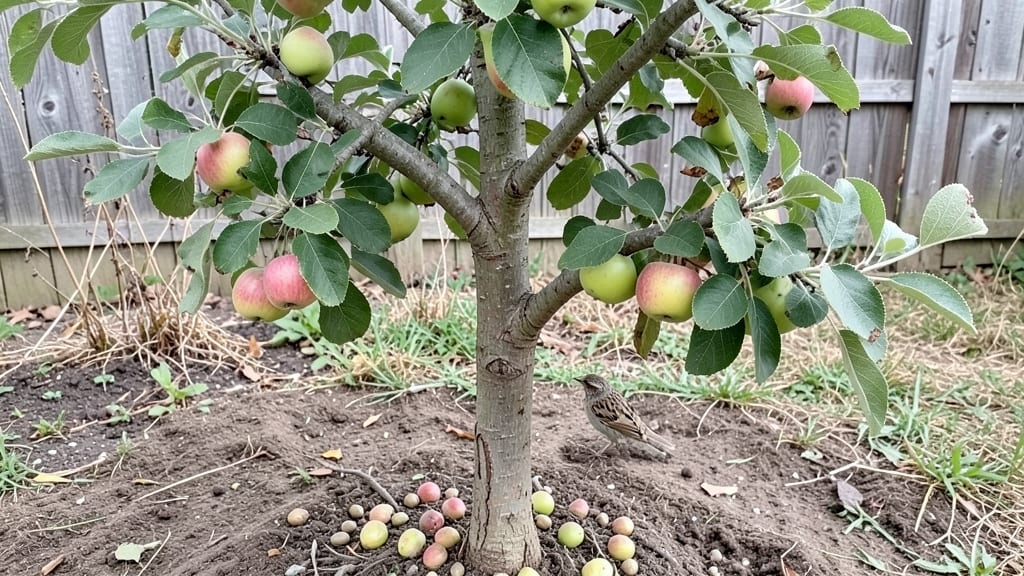
Apple seeds contain amygdalin, a compound that converts to cyanide when chewed or digested. 🌿 While a single seed is unlikely to harm most birds, consuming large quantities—even from a handful of seeds—could lead to poisoning symptoms like weakness or respiratory distress.
The good news is that the fleshy part of the apple is perfectly safe in moderation, offering birds natural sugars and hydration without risks.
For extra safety, always remove the core and seeds before offering apple slices. Other bird-friendly fruits like blueberries, grapes, or bananas provide similar benefits without the potential hazards. If you're feeding birds in your garden, consider setting out peeled citrus or watermelon rinds as alternative treats.
💡 In This Article
- Toxicity in Apple Seeds: How Cyanide Affects Birds
- Safe Apple Treats for Birds: Seed-Free Options
Toxicity in apple seeds: how cyanide affects birds
Apple seeds contain amygdalin, a cyanogenic glycoside that transforms into hydrogen cyanide when chewed or digested. This chemical reaction requires enzymatic action—specifically, the enzyme beta-glucosidase found in the bird's digestive system—which breaks down amygdalin into benzaldehyde (the compound that gives almonds their scent) and cyanide.
In birds, this process can release about 0.0006 milligrams of cyanide per seed, which may seem negligible but becomes dangerous when multiple seeds are consumed.
The risk escalates with seed quantity and bird size. A house sparrow, weighing just 25-30 grams, could experience toxicity from as few as 10-15 seeds due to its small body mass. Larger birds like pigeons or crows might tolerate slightly more, but the margin for error remains slim.
The cyanide disrupts cellular oxygen use, causing symptoms like rapid breathing, vomiting, and lethargy—similar to how it affects mammals but with faster onset in small birds due to their higher metabolic rates.
Seed size matters because larger seeds contain more amygdalin. A single apple seed is roughly 10-12 millimeters long and contains about 0.2 milligrams of amygdalin. While this seems tiny, birds often peck at seeds in clusters, unknowingly ingesting multiple seeds at once.
The core also poses a choking hazard, so even if seeds are avoided, the fibrous core can obstruct a bird's digestive tract. This dual risk—chemical toxicity and physical obstruction—makes apple seeds a double threat.
Symptoms of cyanide poisoning in birds typically appear within 15-30 minutes of ingestion and include labored breathing, bright red gums (from oxygen deprivation), and seizures. Unlike mammals, birds lack certain detoxification pathways, making them more vulnerable to even low doses.
The good news? The fleshy apple fruit contains no cyanogenic compounds—only the seeds and core do. This means removing seeds and offering only the fruit's edible portions eliminates the risk entirely.
For context, compare this to other common garden hazards: avocado pits contain persin (toxic to birds), while cherry pits also release cyanide—making apple seeds one of many seed-based dangers.
The key difference is that apple flesh is safe, whereas other fruits may not offer any bird-safe components. Always err on the side of caution by providing seed-free alternatives.
What most people don't realize is that even small amounts of cyanide can stress a bird's system over time. Chronic low-level exposure might not cause immediate death but can weaken immunity or reduce reproductive success.
This is why wildlife experts recommend avoiding seeds entirely when feeding birds—especially in urban areas where birds already face multiple environmental stressors.