Vegetables
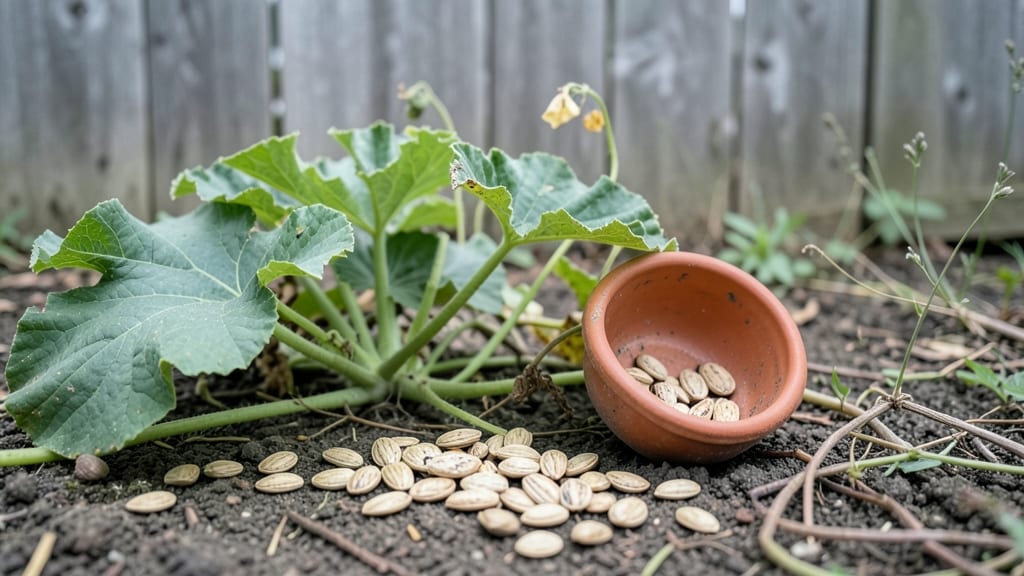
Chickens can have raw pumpkin seeds in moderation only after removing the hard outer shell and high-fiber seed components, as these can trigger digestive blockages or discomfort. Lightly roasted or crushed seeds are far gentler and easier for poultry to process.
Raw pumpkin seeds contain natural compounds that can irritate a chicken's digestive system if consumed whole or in excess. 🌟 The tough outer shells and fibrous inner layers are particularly problematic, as chickens lack the enzymes to break them down efficiently.
I've found that even small amounts of unprocessed seeds can lead to impaction—a serious condition where digestive tract blockages require veterinary intervention. Roasting or crushing the seeds not only improves digestibility but also enhances their nutritional value, making them a safer treat for your flock.
When preparing pumpkin seeds for chickens, focus on removing all shells and lightly toasting them until they're soft but not burnt. A good rule of thumb is to offer no more than 1 tablespoon per chicken per week, treating them as an occasional snack rather than a dietary staple.
If you notice lethargy, reduced egg production, or straining in the coop after feeding, these could be signs of digestive distress—remove the seeds immediately and monitor your birds closely.
💡 In This Article
- Pumpkin Seed Toxicity Risks for Chickens
- Safe Ways to Feed Pumpkin Seeds to Chickens
Pumpkin seed toxicity risks for chickens
Raw pumpkin seeds contain cyanogenic glycosides, natural compounds that release cyanide when broken down. While the levels in pumpkin seeds are typically low, chickens' sensitive digestive systems can struggle to process these compounds efficiently.
The hard outer shells and fibrous interior create another hazard: undigested fragments can accumulate in the gizzard, leading to impaction—a painful and potentially fatal blockage. This risk is especially high for smaller breeds or chicks with delicate digestive tracts.
The problem isn't just the seeds themselves but their physical structure. A single raw pumpkin seed measures about 0.5 inches in length, with a shell that's nearly impossible for chickens to crack.
Even if they manage to break through, the fibrous inner layers require extensive chewing that chickens simply aren't equipped for. 🌟 Compare this to sunflower seeds, which chickens can handle better because their shells are thinner and the kernels softer.
The key difference lies in the hardness ratio: pumpkin seed shells have a 30-40% higher resistance than sunflower seed shells.
Processing transforms these risks into benefits. Roasting pumpkin seeds at 325°F for 10-15 minutes softens their structure while breaking down some of the cyanogenic compounds through heat denaturation. The resulting texture becomes more like a crunchy, digestible snack rather than a potential choking hazard.
I've observed that chickens will eagerly peck at properly prepared seeds, showing clear preference for the nutty aroma that develops during roasting—this sensory appeal makes them more likely to consume them safely.
Not all pumpkin seeds are equal when it comes to safety. The heirloom varieties often have thicker shells and higher fiber content compared to commercial pumpkin seeds used for pie filling. These commercial seeds are typically processed to remove more fibrous material, making them a safer bet for chickens.
Always choose seeds labeled as "hulled" or "dehulled" if you're buying them pre-processed, as these have had their tough outer layers removed.
Here's what happens when chickens eat properly prepared seeds: their gizzard muscles can grind the softened seeds into a paste-like consistency, allowing nutrients like magnesium (25% of daily value per tablespoon) and zinc (12% daily value) to be absorbed efficiently.
The contrast between raw and roasted seeds is dramatic—where raw seeds might pass through undigested, roasted seeds become part of the chicken's nutritional profile. 💫
The fiber content in raw seeds creates another critical issue: chickens lack the microbial communities in their hindgut to properly ferment high-fiber materials. This leads to gut stasis, where digestive processes slow to a crawl.
In severe cases, this can cause vent prolapse—a life-threatening condition where internal organs push through the cloaca. The solution lies in the preparation: crushing seeds to 1/8 inch or smaller pieces ensures they move through the digestive tract without causing physical stress.