
Pests
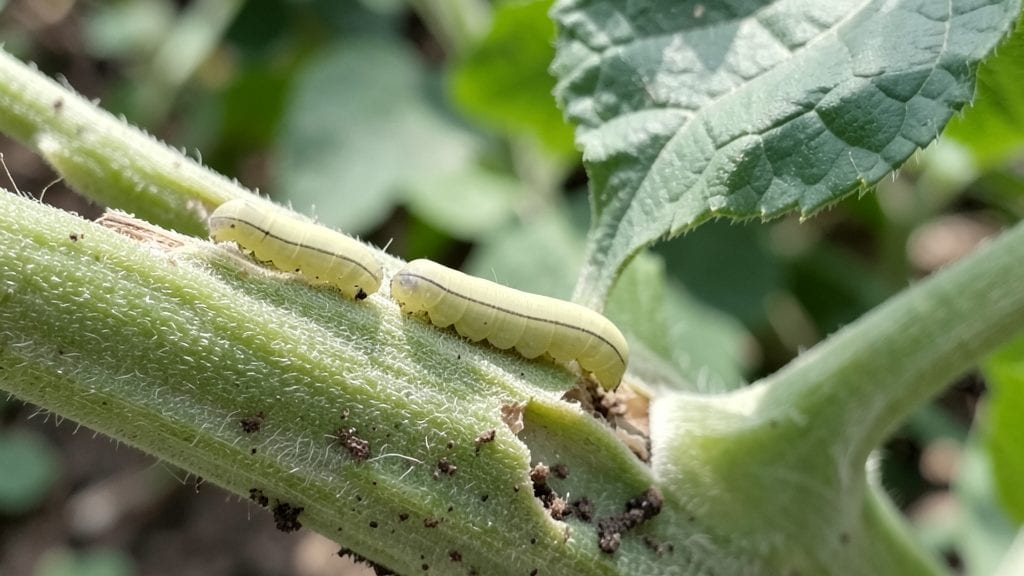
Sunflower seed worms turn your towering plants into hollow stalks overnight. 🌻 I’ve watched my prize sunflowers wilt from the inside out—until I learned the early signs and organic fixes that actually work. The damage isn’t just cosmetic; it stunts growth and ruins harvests.
The culprit is the sunflower seed moth’s larvae, which burrow into buds and heads before you even spot them. Most gardeners panic when they see chewed stems, but the key is catching these pests before they get cozy.
Neem oil sprays, row covers, and strategic planting can make your sunflowers nearly immune to this sneaky invader.
With the right approach, you’ll end up with sturdy stems, full heads, and seeds that stay intact until harvest. The secret lies in timing—spotting the first signs (tiny holes or frass) and acting fast. By the end, your sunflowers will be the healthiest in the neighborhood.
This works for both backyard plots and large-scale gardens, whether you’re growing single stems or a full field. Let’s keep those sunflowers standing tall and proud.
Hidden Invaders In Your Fields
Sunflower seed worms—Euxoa auxiliaris—are a sneaky menace to sunflower crops, and their presence isn’t just random. These small, pale caterpillars thrive under specific conditions, often turning lush fields into a buffet of damaged buds and seeds.
Understanding why they strike is the first step to outsmarting them. Let’s break down the key factors that turn your sunflowers into their favorite snack.
Sunflower seed worms don’t just appear out of nowhere—they’re drawn to sunflowers at their most vulnerable stages. These pests target budding and flowering sunflowers (typically between the _R1_ and _R6_ growth stages), when the plant’s energy is focused on seed development. Here’s why timing matters:
- Early Planting: Sunflowers planted too early in warm climates may flower before the primary pest wave arrives, but late-season plants often face peak infestations. Worms prefer young, tender buds over mature ones.
- Overlapping Generations: If your region has multiple generations of worms per year, staggered planting can create a continuous food source, making it harder to break their life cycle.
- Stress from Weather: Drought or excessive heat can weaken sunflowers, making them more attractive to worms. Stressed plants produce lower-quality buds, which worms find irresistible.
Pro Tip: 💡 Adjust planting schedules to avoid peak worm activity in your area. Use local agricultural extensions to pinpoint high-risk windows.
Sunflower seed worms don’t just attack crops—they hide in weeds and plant debris between seasons. These "safe zones" provide shelter, moisture, and a head start on your sunflowers. Here’s how it works:
- Weed Hosts: Worms can survive on wild sunflowers, ragweed, or even certain grasses in your field’s perimeter. These act as reservoirs, releasing new generations when your crop is most vulnerable.
- Crop Residue: Leftover sunflower stalks, stems, or uneaten seeds from last season offer perfect microhabitats for worm eggs to overwinter. A single stalk can harbor hundreds of eggs.
- Irrigated Low Spots: Areas with poor drainage or excess moisture create ideal egg-laying sites for moths. Worms thrive in damp conditions, so standing water or compacted soil can amplify the problem.
Action Step: ✨ Before planting, till or mow fields to eliminate debris. Use pre-plant herbicides on weed hosts like Helianthus species to starve the worm population.
Sunflower seed worms start as moths, and their arrival isn’t random—it’s influenced by wind, temperature, and migration patterns. Understanding their flight behavior helps predict attacks:
- Warm Nights = Flight Nights: Moths are most active on warm (60–75°F), windy nights. They use updrafts to travel miles, often arriving in swarms when conditions are perfect.
- Regional Hotspots: Areas near wild sunflower populations or other host crops (like safflower) see higher moth densities. If your farm borders a natural reserve, expect earlier infestations.
- Post-Harvest Spread: Moths can re-infest fields if harvest isn’t timely. Delayed picking leaves ripe seeds for worms to feed on, extending the breeding cycle.
Early Warning Sign: 🌡️ Monitor degree-day models in your region—peak moth flights usually occur at 500–800 growing degree days (base 50°F). Set up blacklight traps to track moth activity before planting.
Sunflower seed worms are temperature-sensitive, and their life cycle accelerates in hot, dry conditions. Here’s how climate plays a role:
| Factor | How It Helps Worms | How to Counter It |
|---|---|---|
| High Heat (85°F+) | Speeds up larval growth, leading to faster infestations and multiple generations per season. | Use shade cloth or mulch to reduce soil temps in high-risk areas. |
| Low Humidity | Dries out competing pests but strengthens worm resilience—they lose less moisture in arid conditions. | Implement drip irrigation during budding stages to maintain plant health. |
| Sudden Rain After Drought | Triggers moth egg-hatching and softens sunflower buds, making them easier to penetrate. | Apply kaolin clay as a protective barrier before predicted rain events. |
Data-Driven Tip: 📊 Use IPM forecasting tools to predict worm outbreaks based on local weather trends. Adjust irrigation and planting dates accordingly.
Practical ways to stop seed damage
Sunflower seed worms can turn a thriving crop into a frustrating loss, but the good news is there are effective, organic solutions to keep your sunflowers safe. The key is acting quickly and combining multiple strategies to prevent infestations before they spiral out of control.
Below, we break down cause-specific fixes—plus prevention tips—to help you reclaim your garden without harsh chemicals.
The sooner you spot signs of seed worms (like chewed seeds, frass, or webbing), the easier it is to stop them. Pro tip: 💡 Inspect sunflower heads weekly starting in mid-summer, especially if you’ve had issues in past years.
How to fix it:
- Handpick larvae: Open sunflower heads and remove any larvae or eggs by hand (wear gloves!). Drop them into soapy water to kill them instantly.
- Prune infected heads: If a head is heavily damaged, snip it off at the base to prevent further spread. Dispose of it in a sealed bag—not in compost!
Seed worms are drawn to fermenting or rotting matter, so you can use this to your advantage with DIY traps.
How to fix it:
- Apple cider vinegar trap: Mix 1 cup vinegar + 1 tbsp sugar + a drop of dish soap in a shallow dish. Place near sunflower patches—worms are attracted to the scent and drown.
- Beer trap: Bury a small container filled with beer near the base of plants. The yeast smell lures adults, which then get trapped and die.
- Fermented fruit bait: Chop up overripe fruit (like bananas or apples) and place it in a jar with a little water. Cover with a lid and small holes—worms will crawl in and suffocate.
Once worms are active, neem oil or insecticidal soap can disrupt their life cycle without harming beneficial insects.
How to fix it:
- Neem oil spray: Mix 2 tbsp neem oil + 1 tsp mild soap + 1 quart water. Spray directly on sunflower heads (especially the base of petals) every 5–7 days until harvest. Best applied in the evening to avoid harming bees.
- Kaolin clay: A natural barrier, this clay coats plant surfaces, making it hard for moths to lay eggs. Mix 1 cup kaolin clay + 1 gallon water and spray on foliage and heads.
- Bacillus thuringiensis (Bt): A bacteria-based spray (like Bt kurstaki), this targets caterpillar larvae without affecting other insects. Apply when you first see signs of damage.
Seed worms thrive in warm, undisturbed soil with leftover plant debris. Disrupt their habits with these preventive measures:
How to fix it:
- Rotate crops: Avoid planting sunflowers in the same spot yearly. Worms overwinter in soil—rotate with non-host plants like beans, peas, or herbs.
- Clean up thoroughly: After harvest, remove all plant debris (including fallen heads and stems). Burn or bag (not compost!) to eliminate overwintering larvae.
- Use reflective mulch: Lay silver or aluminum mulch around sunflower bases—it confuses adult moths and reduces egg-laying.
- Encourage predators: Attract birds, parasitic wasps, and ground beetles by planting dill, fennel, or marigolds nearby. These natural enemies devour worm eggs and larvae.
Seed worms lay eggs in late summer, and larvae hatch 6–10 days later. Act fast during these critical windows:
- June–July: Remove old sunflower stalks and debris.
- August: Start weekly inspections and set up traps.
- September–October: Apply Bt or neem sprays if larvae appear.
- Don’t ignore early signs—waiting lets infestations explode.
- Avoid broad-spectrum pesticides—they kill beneficial insects that help control worms.
- Don’t compost infested plant material—larvae can survive and reinfest next year.
For maximum protection, use a multi-layered approach:
- Prevent (crop rotation + cleanup).
- Trap (vinegar/beer baits).
- Spray (neem/Bt during outbreaks).
- Monitor (weekly checks).
With these strategies, you’ll drastically reduce seed worm damage—and enjoy plump, healthy sunflower seeds come harvest time! 🌻💪
Frequently asked questions
What are the first signs of sunflower seed worms in my garden?
Look for tiny 1/8-inch holes in sunflower buds or heads, followed by black frass (fecal matter) around the openings. You may also spot webbing or chewed seeds inside the flower head. Check plants weekly starting in late summer—early detection is key to stopping infestations.
Can I still harvest sunflowers if I see seed worms?
Yes, but only if damage is minimal (10% or less of seeds affected). Severely infested heads should be removed immediately to prevent spread. For light cases, handpick larvae and use neem oil sprays to protect remaining flowers. Always inspect seeds before storage—discard any with visible worm damage.
How do I know if my sunflower plants are at high risk for seed worms?
You’re at higher risk if you’ve had problems in past years, live near wild sunflower patches, or use late-season planting. Warm nights (60–75°F) and dry conditions also attract moths. Monitor for adult moths (gray with dark markings) flying at dusk—their presence means larvae will follow within days.
Will companion planting really keep seed worms away?
Planting dill, fennel, or marigolds nearby attracts beneficial predators like parasitic wasps and ground beetles that eat worm eggs and larvae. These companion plants also disrupt moth navigation, making it harder for them to find your sunflowers. For best results, interplant them in a 3:1 ratio (3 sunflowers to 1 companion plant).
Is it safe to use neem oil on sunflowers near bees?
Yes, but apply neem oil in the evening when bees are less active. Neem oil is low-toxicity to bees when used correctly—avoid spraying directly on flowers where they forage. For extra bee safety, use kaolin clay instead, which creates a protective barrier without harming pollinators.