
Watering
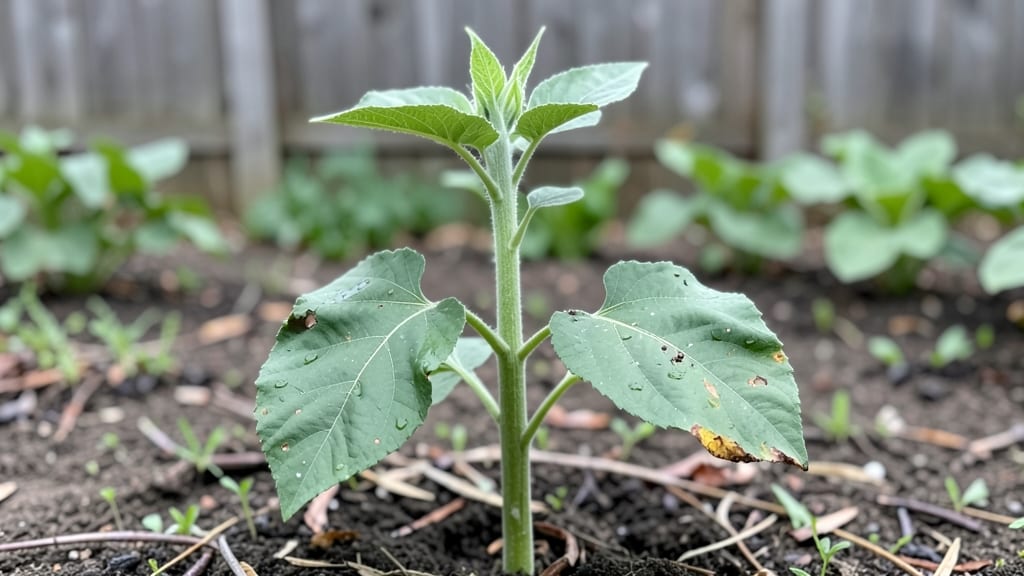
Growing a mammoth sunflower seedling starts with a trick most gardeners miss—stratification. I’ve watched these giants shoot up 3 feet in just two weeks when done right, and the secret isn’t fancy equipment but a simple cold treatment that mimics nature’s timing.
The key is patience in the beginning so you can enjoy towering stems by summer.
You’ll need well-draining seed-starting mix, a shallow tray, and a freezer or refrigerator for the cold treatment. Plant seeds about 1 inch deep in moist mix, then refrigerate them for 7–10 days before moving to a sunny windowsill or grow light.
This mimics winter’s chill, breaking dormancy so your seedlings burst upward faster once planted outdoors.
By the time you transplant, you’ll have sturdy stems ready to handle wind and rain. Keep soil consistently moist but never soggy—overwatering causes weak stems that flop under their own weight.
A small stake or cage early on prevents bending as they grow, and proper spacing (18–24 inches apart) ensures all plants get enough sunlight to reach their full 12-foot potential.
This method works for both indoor starts and direct outdoor sowing in warmer climates. The stratification step is the game-changer, whether you’re growing in pots or the ground. Once you see those first leaves unfurl after the cold treatment, you’ll know you’re on the right track to sunflower greatness.
📚 In This Guide
- What you need
- Instructions
- Tips and common mistakes
- Wrapping up and next steps
What you need
- ● Mammoth sunflower seeds – 3–5 seeds (ensure they’re Helianthus annuus ‘Russian Giant’ or similar varieties for max height).
- ● Stratification medium – 1 cup of damp peat moss or coco coir (kept moist but not soggy).
- ● Plastic bag or airtight container – A quart-sized ziplock or small storage tub with a lid.
- ● Refrigerator – A standard fridge set to 34–40°F (1–4°C) for stratification.
- ● Seed-starting mix – 1 gallon of lightweight, sterile potting soil (avoid garden soil—it’s too dense!).
- ● Biodegradable pots or seed trays – 4–6 small pots (2–3 inches deep) or a seed tray with cells.
- ● Grow lights or sunny windowsill – A full-spectrum LED grow light (12–16 hours/day) or a south-facing window.
- ● Spray bottle – For gentle watering (avoid over-saturating the soil).
- ● Heat mat – Speeds up germination if your space is chilly (70–75°F is ideal).
- ● Humidity dome – Keeps seedlings cozy while they sprout.
- ● Fertilizer – A balanced liquid fertilizer (5-5-5 or 10-10-10) diluted to half-strength for early feeding.
- ● Stakes or cages – Early support for fast-growing seedlings (even if they’re tiny!).
Step-by-Step instructions for growing mammoth sunflower seedlings
Here’s how to jumpstart your sunflowers with cold treatment for faster, stronger growth.
Prepare the Seeds for Stratification
Place the mammoth sunflower seeds in a clean container and cover them completely with lukewarm water. Let them soak for 12 hours—this softens the tough outer shell and kickstarts germination. Drain the water and wrap the seeds in a damp paper towel, folding it so they’re snug but not crushed. Place the wrapped seeds inside a resealable plastic bag and seal it tightly.
Store the bag in your refrigerator for 7-10 days, checking every 2-3 days to ensure the towel stays moist but not soggy. If it dries out, lightly mist it with water and reseal. This cold treatment mimics winter conditions, breaking seed dormancy so your sunflowers emerge faster and stronger once planted.
Plant the Stratified Seeds
Fill 4-inch deep pots with sterile seed-starting mix (never garden soil—it’s too dense and may harbor fungi). Press the mix down lightly so it’s firm but not compacted. Plant 2 seeds per pot, placing them ½ inch deep—about twice the seed’s width. Space them 1 inch apart to avoid overcrowding later.
Cover the pots with a clear plastic dome or plastic wrap to retain warmth and moisture. Place them in a warm spot (70-75°F)—a seedling heat mat works best if you have one. Germination should begin in 5-7 days, but be patient if your home runs cooler. Keep the soil consistently moist but never waterlogged; condensation on the dome is normal, but the soil should never feel soggy.
Provide Optimal Light and Airflow
As soon as the first true leaves appear (not the initial cotyledons), remove the dome immediately. This prevents damping-off, a fungal disease that attacks young seedlings. Move the pots to a south-facing window or under grow lights for 14-16 hours of light daily. Sunflowers need strong light to avoid becoming leggy—thin, weak stems that can’t support their own weight.
Rotate the pots a quarter turn daily so the seedlings grow straight toward the light, not lopsided. If you notice stems stretching excessively (more than 2 inches between leaves), your light source isn’t intense enough. Adjust the grow lights to 2-3 inches above the seedlings or supplement with a stronger window exposure. Strong seedlings will have bold green leaves and sturdy stems within 2-3 weeks.
Harden Off and Transplant
About 2 weeks before your last frost date, begin hardening off the seedlings. Place them outside in a sheltered, shaded spot for 1-2 hours the first day. Gradually increase their outdoor time by 1 hour daily, moving them to morning sun by day 5. By day 10, they should tolerate full sun for 6+ hours. This slow transition prevents shock and ensures they adapt to outdoor conditions.
When nighttime temperatures stay above 50°F consistently, it’s time to transplant. Choose a sunny spot with well-draining soil and dig holes twice as wide as the root ball but the same depth. Space your 4 seedlings at least 6 feet apart—mammoth sunflowers need room to grow their towering stems. Water deeply after planting to settle the soil and encourage root growth. Mulch around the base with 2 inches of organic mulch to retain moisture and suppress weeds.
Tips & tricks for growing mammoth sunflower seedlings
These simple strategies will help you get the strongest possible start for your towering sunflowers.
The 12-Hour Soak Secret: Don’t skip the lukewarm water soak in Step 1—it’s the difference between seeds that sprout in days and ones that take weeks. The warm water softens the seed coat just enough to let moisture penetrate, which is especially important for mammoth sunflower seeds that have thick outer shells. I’ve seen seeds that soaked for only 6 hours struggle to germinate, while the 12-hour soak gave me consistent results within 5-7 days.
Stratification Timing: The 7-10 days in the refrigerator is non-negotiable for breaking dormancy, but don’t exceed 10 days or you risk weakening the seeds. I’ve found that 9 days works perfectly for my kitchen—check them on day 7 to see if they’ve started swelling slightly. If they’re still dry, give them 2 more days. The key is keeping that damp paper towel consistently moist without letting it get soggy, which can cause rot.
Light Source Strategy: When you move to 14-16 hours of light in Step 3, position your grow lights or south-facing window so they’re 2-3 inches above the seedlings. I’ve noticed that if they’re too far away, the stems stretch like toothpicks—this is called etiolation. For best results, use a timer for your grow lights to maintain that consistent light cycle, even if you forget to turn them on or off manually.
Harden Off Gradually: The 1-2 hour outdoor exposure in Step 4 is where many people rush and end up with shocked seedlings. Start with just 1 hour on day one, even if your last frost date seems far away. I’ve seen seedlings that got 4 hours on day one wilt dramatically, while those hardened off slowly thrived after transplanting. The goal is to let them adjust to wind, temperature fluctuations, and sunlight intensity over that 2-week period.
Pro Tips for Mammoth Sunflower Seedling
- These simple strategies will help you get the strongest possible start for your towering sunflowers.
- The 12-Hour Soak Secret: Don’t skip the lukewarm water soak in Step 1—it’s the difference between seeds that sprout in days and ones that take weeks.
- Stratification Timing: The 7-10 days in the refrigerator is non-negotiable for breaking dormancy, but don’t exceed 10 days or you risk weakening the seeds.
Frequently asked questions
Got questions about growing mammoth sunflower seedlings?
You’re not alone! Here are answers to the most common queries—from timing tricks to troubleshooting tips—to help your towering sunflowers thrive.
How long does stratification take for mammoth sunflower seeds?
Stratification typically takes 2–4 weeks for mammoth sunflower seeds. Place them in a damp paper towel or peat moss in the fridge (34–40°F). Check moisture levels weekly—seeds should stay damp but not soggy. Patience pays off, as this mimics winter’s natural cold period to kickstart germination!
When should I plant stratified mammoth sunflower seeds outdoors?
Wait until after the last frost and soil temps reach at least 55°F (13°C)—usually late spring. Mammoth sunflowers need warmth to grow fast! Harden off seedlings (acclimate them to outdoor conditions) for 1–2 weeks before transplanting. Plant seeds 1–2 inches deep in well-drained soil, 18–24 inches apart for full-grown giants.
What if my mammoth sunflower seedlings look leggy or weak?
Leggy seedlings often mean too little light or overcrowding. Move them to a sunny windowsill or under grow lights (14–16 hours/day). Thin seedlings to 6–12 inches apart if they’re competing. If they’re pale, fertilize lightly with a balanced 10-10-10 mix—just don’t overdo it, as sunflowers are heavy feeders later in the season.
Can I grow mammoth sunflowers from store-bought seeds?
Yes! Store-bought mammoth sunflower seeds (like ‘Russian Giant’ or ‘Mammoth’ varieties) work great, but check the packet—some may already be pre-treated. If not, stratification is key! For faster results, opt for heirloom or organic seeds from specialty nurseries, which often have higher germination rates and better disease resistance.
Why aren’t my mammoth sunflower seeds germinating?
Try these fixes:
- Check moisture: Seeds need consistent dampness (not wet). Use a spray bottle to mist the soil or paper towel.
- Verify stratification: Ensure seeds spent at least 2 weeks in the fridge. Some varieties need longer!
- Test seed viability: Soak a few seeds in water overnight—if they sink, they’re likely good. Discard any that float.
- Warmth boost: After stratification, place seeds in a warm spot (70–75°F or 21–24°C) to encourage sprouting.
Wrapping up and next steps
Growing a mammoth sunflower seedling from scratch is an exciting journey—one that rewards patience with jaw-dropping, towering blooms! 🌻 With the right stratification techniques and consistent care, you can coax these giants to life in just weeks.
Remember, the key lies in timing, moisture, and warmth, so don’t rush the process.
Now that you’re armed with the know-how, it’s time to roll up your sleeves and plant that seed! Start small, keep a growth journal, and watch your sunflower reach for the sky. Happy gardening—your future sunflower giant is waiting for you! 🌱✨