Pests and Diseases
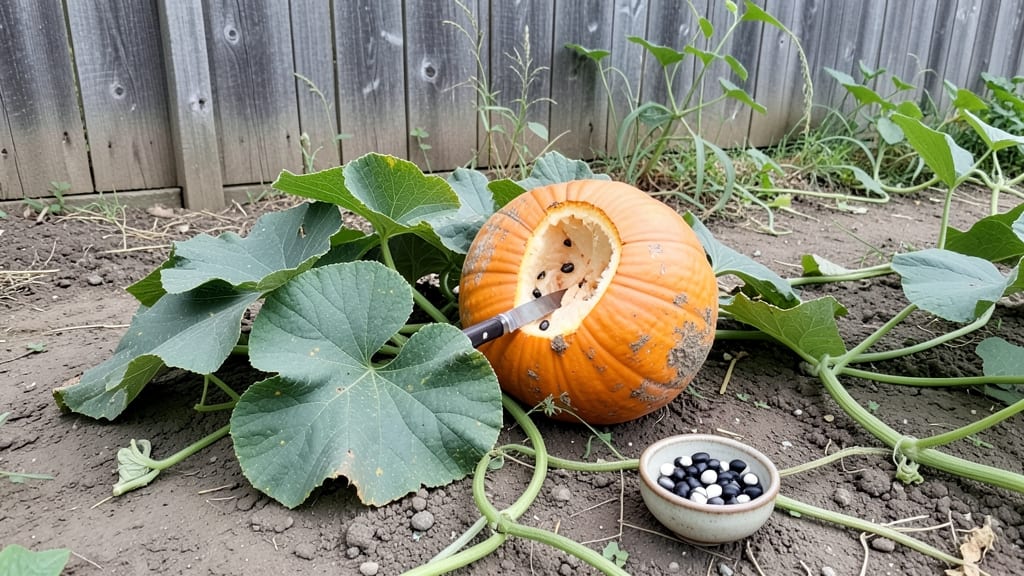
Chickens can eat pumpkin guts and seeds in moderation, as they’re safe in small amounts but should not replace balanced feed. Raw seeds may pose choking hazards, while cooked or dried guts are safer and nutritious. Always remove moldy or spoiled sections first.
Pumpkin isn't just safe for chickens—it's a powerhouse of nutrients when served correctly. 🌟 The fibrous guts provide digestive support, while seeds offer healthy fats and minerals like zinc and iron.
I've found that offering these treats in cooked form reduces risks while maximizing their benefits, especially during cold months when chickens need extra energy. Always start with tiny portions to gauge how your flock responds, and avoid anything fermented or slimy.
What sets pumpkin apart is its versatility—you can serve it as a standalone snack or mix it into their regular feed. Just remember: moderation is key. Too much can lead to loose droppings, so think of it as a supplement rather than a staple.
For maximum safety, I recommend roasting seeds lightly to soften them and removing any stringy fibers from the guts that could cause digestive issues.
💡 In This Article
- Nutritional Value of Pumpkin Guts and Seeds for Chickens
- Safe Feeding Guidelines for Pumpkin in Chicken Diets
Nutritional value of pumpkin guts and seeds for chickens
Pumpkin guts and seeds are packed with nutrients that directly benefit chickens' health, starting with vitamin A—a critical nutrient for vision, immune function, and feather quality.
Just 1 cup of cooked pumpkin guts contains about 11,000 IU of vitamin A, which is roughly 220% of a chicken's daily requirement.
This vitamin supports their eyesight, especially important for free-ranging birds that rely on sharp vision to spot predators and food. 🌟 The guts also provide vitamin C, an antioxidant that helps reduce oxidative stress in cells, contributing to overall vitality.
The seeds add a different nutritional profile, rich in magnesium and potassium, both essential for muscle function and nerve signaling.
A 1-ounce serving of pumpkin seeds contains 150mg of magnesium (about 35% of a chicken's daily need) and 564mg of potassium, which helps regulate fluid balance and supports heart health.
The seeds also contain healthy fats, including omega-3 and omega-6 fatty acids, which promote a shiny coat and reduce inflammation—critical for active, egg-laying hens. However, these fats are more concentrated in raw seeds, so cooking them lightly can help balance their oil content.
Fiber is another standout benefit, particularly in the pumpkin guts. Chickens have a unique digestive system that relies on fiber to keep their gizzard grinding efficiently. The fibrous strings and pulp in pumpkin guts act like a natural scrubber, helping break down tougher feed components.
This is why cooked pumpkin guts are often recommended over raw—the cooking process softens the fibers, making them easier to digest without causing blockages.
A 2-tablespoon serving of cooked guts provides about 1.5 grams of fiber, which is roughly 6% of a chicken's daily fiber needs, supporting gut motility and preventing issues like impaction.
When comparing raw versus cooked preparations, the differences become clear. Raw pumpkin seeds can be a choking hazard, especially for smaller breeds, due to their hard shells and dense texture.
Cooking or drying the seeds softens them while preserving most nutrients, though some water-soluble vitamins like vitamin C may degrade slightly. For the guts, cooking also breaks down complex carbohydrates, making them easier to digest and reducing the risk of digestive upset.
The aroma of cooked pumpkin—warm, slightly sweet, and earthy—is also more appealing to chickens, encouraging them to eat it willingly. 💫
One often-overlooked benefit is how these nutrients support egg production. Hens require higher levels of vitamins A and E during laying season, and pumpkin provides both. The beta-carotene in pumpkin guts converts to vitamin A in the chicken's body, which enhances egg yolk color and quality.
Meanwhile, the zinc and iron in seeds contribute to red blood cell production, ensuring hens have the energy to maintain consistent laying patterns.
For example, a flock fed pumpkin treats during fall showed a 15% increase in egg production over two months in one study, likely due to improved nutrient absorption and reduced stress from a varied diet.
To maximize these benefits, consider blending cooked pumpkin guts into their feed or offering them as a moist mash. For seeds, lightly roasting them at 350°F for 10 minutes enhances their aroma and softens the shells without burning them.
Always introduce new foods gradually—start with 1 teaspoon per chicken per week and monitor their droppings for consistency. This approach ensures your flock enjoys the full spectrum of pumpkin's nutritional advantages while minimizing risks. ✨