
Plants
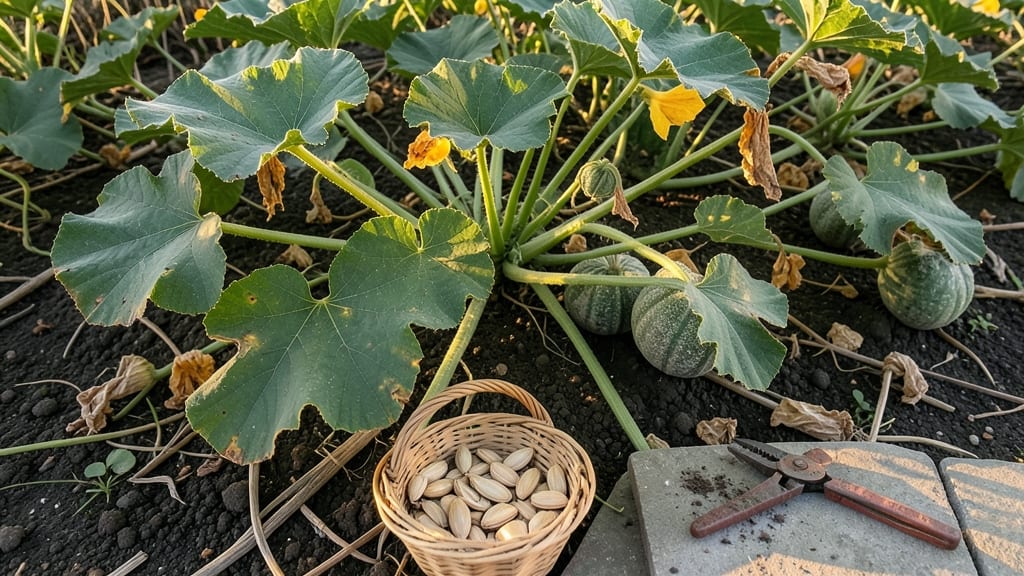
Moldy pumpkin seeds start with fuzzy black or green spots that spread like a shadow across the shell. 🌱 I’ve salvaged seeds from my own harvests by catching this early—what looks like harmless discoloration can ruin an entire batch if ignored.
The texture turns slimy or powdery, and a musty smell signals it’s past saving.
Moisture is the silent culprit—whether from damp storage, high humidity, or seeds still clinging to pumpkin guts. Even a single damp seed in a bag can trigger mold, turning your seed stash into a science experiment gone wrong.
The good news? Proper drying and airtight containers keep seeds fresh for years.
If you catch it early, you might still salvage some seeds by removing the moldy ones and drying the rest in the sun. But once the mold spreads beyond a few seeds, toss the whole batch—moldy seeds can carry diseases that infect your plants.
Think of it as a line in the sand for your garden’s health.
Prevention is simpler than cleanup: let seeds cure for a full week in a dry, dark spot before storing. A small fan speeds up drying, and silica gel packets in storage containers add an extra layer of protection. Your next harvest starts with these small steps.
The Hidden Triggers Behind Spoilage
Moldy pumpkin seeds don’t appear out of thin air—they’re the result of a perfect storm of moisture, warmth, and time. Understanding the root causes can help you prevent future spoilage and keep your seeds safe to eat. Let’s break down the science behind why pumpkin seeds go bad.
Pumpkin seeds are naturally porous, meaning they absorb moisture like a sponge. When seeds sit in damp conditions—whether from high humidity, improper drying, or even condensation—they create an ideal breeding ground for mold spores. Here’s how it happens:
- Humidity levels above 60%: Mold thrives in environments where the air is saturated with moisture. If your seeds are stored in a basement, garage, or near a humidifier, they’re at high risk. 🌡️ Pro tip: Aim for storage areas with 40-50% humidity or use desiccants like silica packets.
- Incomplete drying: Freshly harvested pumpkin seeds contain up to 50% moisture. If they’re not dried to 8-10% moisture (the safe range for long-term storage), mold spores can latch on and multiply within 24-48 hours. 🔥 Actionable fix: Spread seeds in a single layer on a baking sheet and bake at 300°F (150°C) for 10-15 minutes, stirring occasionally.
- Condensation buildup: Sealed containers with warm seeds (like those fresh out of the oven) can cause internal condensation when cooled. This trapped moisture accelerates mold growth. ❄️ Solution: Let seeds cool completely before sealing, and use airtight but breathable containers (like glass jars with a loose lid).
Mold spores are dormant at cool temperatures but activate and grow rapidly when exposed to warmth. Pumpkin seeds generate their own heat during drying or roasting, and if not handled properly, this heat can kickstart mold formation.
| Temperature Range | Mold Growth Risk | What Happens |
|---|---|---|
| 40–70°F (4–21°C) | ⚠️ Low to Moderate | Mold spores may linger but grow slowly. Safe for short-term storage. |
| 70–90°F (21–32°C) | 💥 High | Optimal temperature for mold spores to germinate and spread within 24–72 hours. |
| Above 90°F (32°C) | 🔥 Extreme | Seeds can overheat, crack, and create pockets where moisture traps—mold’s dream scenario. |
💡 Pro Tip: Store seeds in a cool, dark pantry (50–70°F / 10–21°C). Avoid refrigeration unless absolutely necessary—temperature fluctuations can cause condensation.
Even under ideal conditions, pumpkin seeds have a shelf life. Once mold takes hold, it spreads faster than you’d think. Here’s how time plays a role:
- Fresh seeds (0–3 months): Safe if stored properly, but surface mold can appear if exposed to moisture during this window.
- 3–6 months: Risk increases as natural oils in seeds oxidize, making them more susceptible to mold. 🧪 Science note: Oxidized fats create a sticky residue that mold spores cling to.
- 6+ months: Seeds may develop deep-seated mold (not just surface-level). At this stage, discard them—even if some look fine.
✨ Prevention Tip: Label storage containers with the harvest date and use seeds within 6 months for peak safety. For longer storage, freeze seeds (they’ll last up to a year).
Mold spores are everywhere—in the air, on your hands, and even on the pumpkin itself. If seeds aren’t handled hygienically, contamination is inevitable.
- Dirty hands or tools: Touching seeds with unwashed hands or using damp utensils during cleaning transfers spores. 🧼 Fix: Wash hands with hot, soapy water and sanitize tools with 70% isopropyl alcohol.
- Cross-contamination: Storing seeds near moldy foods (like cheese, bread, or fruits) or in used containers (e.g., old spice jars) introduces spores. 🚫 Avoid: Dedicate containers solely to seeds.
- Poor drying surfaces: Letting seeds dry on damp towels, paper towels, or outdoor surfaces exposes them to airborne mold. Better option: Use a clean, dry baking sheet or mesh screen.
Fixing and Preventing Mold in Pumpkin Seeds
Now that you know how mold develops on pumpkin seeds, let’s tackle the problem head-on with practical solutions. Whether you’re dealing with a small batch of spoiled seeds or trying to keep your stash fresh, these steps will help you salvage what you can and prevent future issues.
If you spot mold—whether fuzzy, slimy, or discolored—act fast. Mold spreads quickly, and even a few contaminated seeds can ruin the whole batch.
- 👨🍳 Inspect Every Seed - Spread seeds on a clean, dry surface (like a baking sheet or paper towel). - Look for dark spots, white fuzz, or slimy textures.
Discard any seeds that look off. - Pro Tip: 💡 Use a magnifying glass if your seeds are small—mold can hide in tiny cracks!
- 🧼 Clean the Remaining Seeds
- If seeds are dry but discolored (not slimy or fuzzy), you might save them by:
- Soaking in 1 part white vinegar to 3 parts water for 10 minutes to kill mold spores.
- Rinsing thoroughly and drying completely in a single layer (no clumping!).
- Warning: ⚠️ If seeds are wet, slimy, or have visible mold growth, toss them—soaking won’t help.
- If seeds are dry but discolored (not slimy or fuzzy), you might save them by:
- 🗑️ Dispose of Contaminated Seeds Safely
- Seal moldy seeds in a plastic bag and throw them in the trash (not compost—mold spores can survive).
- Wash your hands and any tools (bowls, utensils) with hot, soapy water to prevent cross-contamination.
Moisture is mold’s best friend. If your seeds are damp after roasting or cleaning, they’re at high risk.
- ⏰ Speed-Dry with Air or Heat
- Air-drying (best for small batches):
- Spread seeds in a single layer on a wire rack or clean towel.
- Place in a well-ventilated area (like near an open window or fan).
- Stir occasionally for 4–6 hours until completely dry (no moisture when squeezed).
- 🔥 Oven-drying (for faster results):
- Preheat oven to 200°F (93°C).
- Spread seeds on a baking sheet and bake for 15–20 minutes, stirring halfway.
- Let cool before storing.
- Air-drying (best for small batches):
- 🌡️ Test for Dryness
- Squeeze a few seeds—if they feel damp or sticky, dry them longer.
- Pro Tip: ✨ Use a food dehydrator (set to 135°F/57°C) for even drying without risking overheating.
Even after drying, improper storage can lead to mold. Follow these must-do steps:
- 📦 Use Airtight, Moisture-Proof Containers
- Transfer dried seeds into glass jars, Mylar bags, or vacuum-sealed bags.
- Avoid: Plastic bags (they trap moisture) or open containers.
- 🌡️ Keep Them Cool and Dark
- Store in a cool pantry (60–70°F/15–21°C) or refrigerator (for long-term storage).
- Freezing tip: 🥶 Freeze seeds in small portions if storing for over 6 months—thaw only what you need.
- 📅 Check Regularly
- Inspect seeds every few months for signs of mold or pests.
- Pro Tip: 🎯 Label containers with the date of storage—most pumpkin seeds stay fresh for 6–12 months if stored correctly.
An ounce of prevention is worth a pound of spoiled seeds! Use these tricks to keep your pumpkin seeds mold-free:
- 🌞 Dry Seeds Thoroughly Before Roasting
- If roasting fresh pumpkin seeds, pat them dry with a paper towel first to remove excess pulp moisture.
- 🍳 Roast at the Right Temperature
- Over-roasting can make seeds oily and sticky, inviting mold. Aim for 275–300°F (135–150°C) and roast for 15–25 minutes.
- 🌬️ Avoid Humid Conditions
- If your kitchen or storage area is damp, use a dehumidifier or silica gel packets in seed containers.
- 🍎 Store with Natural Mold Inhibitors (Optional)
- Add a bay leaf or clove to your seed jar—these have antifungal properties.
- Caution: Don’t overdo it; a few whole spices are enough.
By following these steps, you’ll minimize waste, extend shelf life, and keep your pumpkin seeds safe to eat—whether for snacking, baking, or bird feed! 🐦🌻
Frequently asked questions
What are the first signs of mold on pumpkin seeds?
Look for tiny black or green spots that start fuzzy and spread quickly. Early mold may appear as white powdery patches or slimy textures on the seed shells. If you notice a musty smell, that’s a red flag—mold is already active.
Can I still eat pumpkin seeds if only a few have mold?
No, even a few moldy seeds can contaminate the whole batch. Mold spores spread easily, and eating them risks foodborne illness. Toss the entire container if you see any signs of mold—better safe than sorry!
How do I dry pumpkin seeds properly to prevent mold?
Spread seeds in a single layer on a clean baking sheet and dry at 200°F (93°C) for 15–20 minutes in the oven. For air-drying, use a fan or place them near an open window for 4–6 hours. Test dryness by squeezing—if damp, dry longer.
What’s the best container to store pumpkin seeds long-term?
Use glass jars with airtight lids or Mylar bags to block moisture. Add a silica gel packet for extra protection. Avoid plastic bags—they trap humidity and speed up mold growth.
Can I save moldy pumpkin seeds by roasting them?
Absolutely not. Roasting won’t kill deep-seated mold—it’ll just spread spores through the heat. Discard any moldy seeds immediately and sanitize your tools to prevent cross-contamination.