Companion Plants
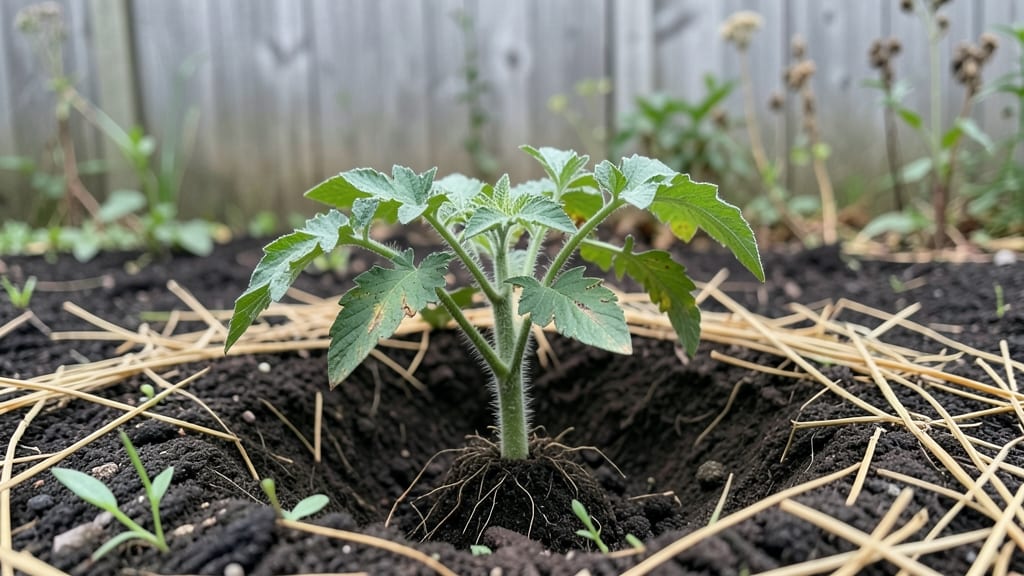
You can plant tomato seeds directly in the ground in warm climates or late spring, but this method demands well-drained soil, consistent moisture, and frost protection. For colder regions, starting seeds indoors 6-8 weeks earlier ensures stronger, more resilient plants.
Direct sowing works best when soil temperatures reach 60-85°F—this warmth triggers germination and helps seedlings establish roots quickly. 🌱 I’ve found that waiting until nighttime temperatures stay above 50°F makes all the difference in preventing cold damage.
The trade-off? Outdoor-planted seeds may take longer to mature compared to indoor starts, but they often develop deeper root systems that improve drought resistance.
For best results, enrich your planting area with compost or aged manure before sowing to boost nutrient availability. A 1-inch-deep furrow spaced 18-24 inches apart gives seedlings room to grow without overcrowding. Mulching with straw afterward locks in moisture and suppresses weeds—critical for young plants that can’t compete yet.
💡 In This Article
- Optimal Conditions for Direct Tomato Seed Planting
- Step-by-Step Soil Prep for Direct Tomato Seedlings
Optimal conditions for direct tomato seed planting
Direct sowing tomato seeds outdoors thrives when soil temperatures consistently reach between 60-85°F, creating the perfect environment for germination. At these temperatures, seeds absorb moisture and enzymes activate to break down stored nutrients, triggering root growth within 5-14 days.
The key mechanism here is enzymatic activity—below 55°F, these processes slow dramatically, often leading to poor germination or weak seedlings. I've seen firsthand how seeds planted in 50°F soil may sprout but produce leggy, pale plants that struggle to establish.
Sunlight exposure is equally critical, with seedlings requiring 6-8 hours of direct sunlight daily for photosynthesis to fuel their growth. Young tomato plants are particularly sensitive to shade, which causes them to stretch toward light (etiolation) and become weak.
In my garden, I've noticed that partial shade during the hottest afternoon hours (1-3 PM) can actually benefit seedlings by preventing moisture loss, but early morning and late afternoon sun remain essential for energy production.
The trade-off? Direct sunlight accelerates growth but increases watering needs—seedlings need 1-1.5 inches of water per week, delivered consistently at soil level to avoid fungal diseases.
Moisture retention becomes the deciding factor in seedling survival, especially in regions with low humidity or high winds. The soil should stay consistently damp (not soggy) during germination, which is why I always prepare planting furrows with a 1-inch layer of compost mixed into the top 6 inches of soil.
This organic matter improves water retention by 30-50% compared to bare soil, while also providing essential nutrients like phosphorus for root development. A simple test: Press your finger 1 inch into the soil—if it feels dry, it's time to water.
Frost protection is the final critical factor, as tomato seedlings can't tolerate temperatures below 50°F for extended periods. In colder climates, this means waiting until after the last frost date (typically 2-4 weeks after average last frost) or using protective measures like row covers or cloches.
I've had success with floating row covers that raise soil temperatures by 2-5°F while allowing light and water through. The alternative—starting seeds indoors—gives you a 3-4 week head start on the growing season, but requires careful transplanting to avoid shock when moving seedlings outdoors.
When comparing direct sowing to indoor starts, the decision comes down to climate and timing. In USDA Zones 8-10, direct sowing in late spring (April-May) often yields mature plants by summer, while in Zones 4-7, indoor starts give you 6-8 weeks of controlled growth before transplanting.
The advantage of direct sowing? Plants develop stronger root systems adapted to their native soil conditions, while indoor starts may experience transplant shock if not hardened off properly. For me, the choice depends on whether I prioritize convenience (indoor starts) or natural resilience (direct sowing).
Here's what most gardeners overlook: soil temperature matters more than air temperature for germination. I've planted seeds in 70°F air but 55°F soil and seen poor results—always check with a soil thermometer at 2-inch depth for accuracy.
The ideal window is when nighttime temperatures stay above 50°F consistently, signaling safe conditions for young plants. 🌱