
Trees
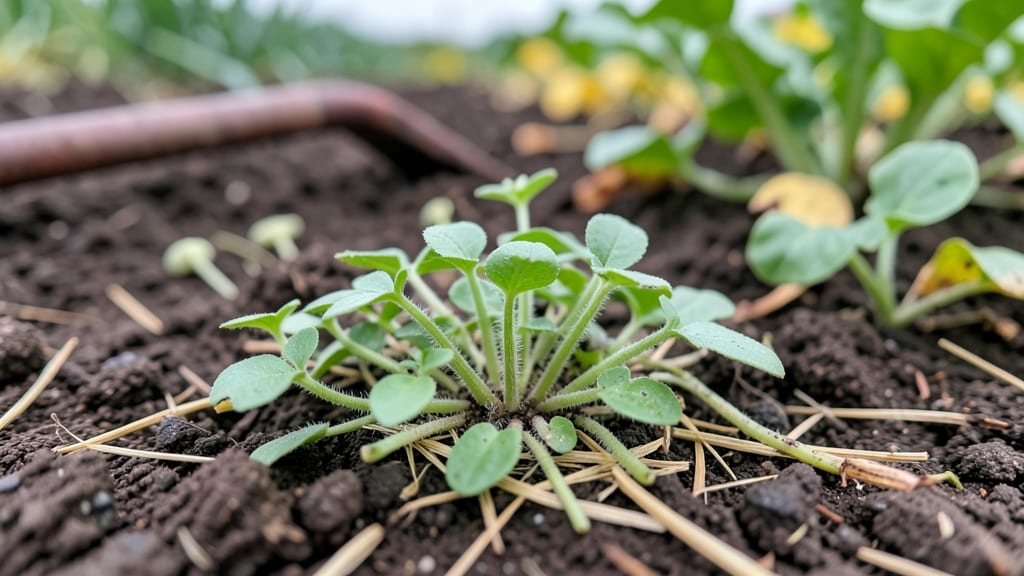
Mastering weed seedling identification early saves your garden from becoming a battleground—those tiny leaves hold all the clues you need to act before they take over. 🌱 I’ve spent years pulling weeds that could’ve been stopped with a closer look.
The key? Learning just a few leaf shapes and stem patterns makes the difference between a clean garden and a weed-infested mess.
Take crabgrass, for example—its first leaves are long and narrow, almost like a tiny blade of grass, but with a slightly fuzzy texture. Dandelions start with a single, deeply lobed leaf that looks like a jagged maple leaf.
Once you know these visual cues, you’ll spot them before they spread. The secret is checking your garden regularly, especially after rain when seedlings pop up fast.
Early removal is your best defense—tiny weeds pull out easily, while mature ones need tools and time. You’ll protect your plants from competition and keep your garden looking sharp without constant weeding battles. Think of it as a game of "spot the intruder" where your prize is a thriving garden.
This works for any garden type, from vegetable beds to flower patches, and saves hours of backbreaking work later. Let’s turn you into a weed detective with just a few simple tricks.
What Triggers Early Weed Growth
When you’re scanning your garden or lawn for weed seedlings and suddenly spot tiny sprouts popping up, it’s not just random bad luck—it’s often the result of specific environmental and human factors.
Understanding these triggers can help you stay one step ahead and prevent future invasions. Here’s why those unwanted plants keep showing up.
Weeds thrive because they’re opportunistic survivors, capitalizing on conditions that favor rapid growth. Here’s how nature itself sets the stage:
1. Disturbed Soil Exposes Dormant Seeds
Weed seeds can lie dormant in the soil for years—some even decades—waiting for the right moment to germinate. When soil is disturbed, whether by:
- Tilling or digging: Breaks seed dormancy by exposing them to light and air.
- Foot traffic or erosion: Shifts topsoil, burying seeds at shallow depths where they can sprout.
- Animal activity: Burrowing creatures (like moles or gophers) or grazing livestock can unearth seeds.
Actionable tip: 🌡️ If you must till, do so in late fall to allow seeds to germinate and die before spring planting. Cover bare soil with mulch to block light.
2. Moisture and Temperature Fluctuations
Weed seeds need the perfect balance of moisture and warmth to germinate. Key triggers include:
- Spring rains after dry spells: Sudden water availability wakes up dormant seeds.
- Summer heatwaves followed by storms: High temps soften seed coats, making them more receptive to water.
- Poor drainage: Overly wet soil suffocates desirable plants but creates ideal conditions for weeds like crabgrass or nutsedges.
Pro tip: ✨ Use drip irrigation or soaker hoses to water deeply but infrequently, discouraging shallow-rooted weeds that rely on surface moisture.
3. Sunlight Breaks Seed Dormancy
Many weed seeds require light exposure to germinate. This is why:
- Bare patches in lawns or gardens let sunlight reach seeds buried just ¼ inch deep.
- Thinning canopies (from pruning or disease) create gaps where weeds like dandelions or clover take hold.
- Mulch breaks down over time, revealing fresh soil for seeds to colonize.
Quick fix: 🎯 Plant dense ground covers (like creeping thyme or clover) to block sunlight and outcompete weeds.
Even the most well-intentioned gardening habits can accidentally invite weeds. Here’s how:
1. Poor Soil Preparation
Skipping key steps in soil prep can leave the door open for weeds:
- Skipping pre-emergent herbicides: Without a barrier, weed seeds germinate freely.
- Using contaminated compost or manure: Many "natural" amendments contain weed seeds (e.g., cheatgrass or lambsquarters).
- Over-fertilizing nitrogen: Fast plant growth (including weeds) often follows, giving them a head start.
Solution: 🔥 Solarize soil in summer (cover with clear plastic for 4–6 weeks) to kill seeds before planting.
2. Improper Watering Techniques
Overwatering or inconsistent watering creates the perfect storm for weeds:
- Frequent light watering: Encourages shallow-rooted weeds like chickweed and henbit.
- Leaky irrigation systems: Pockets of overwatered soil become weed magnets.
- Watering at night: Keeps soil damp longer, extending the germination window.
Fix it: 💡 Water deeply 2–3 times per week (early morning) and use smart timers to avoid waste.
3. Lax Maintenance Schedules
Weeds exploit gaps in your routine. Common oversights include:
- Delayed mowing: Tall grass shades soil, but when you finally cut it, light hits dormant seeds.
- Ignoring leaf litter or debris: Decaying plant matter traps moisture, creating micro-habitats for weeds.
- Skipping fall cleanup: Leaving dead plants over winter lets them reseed or drop viable seeds.
Prevent it: ⏰ Set a biweekly "weed patrol" reminder to hand-pull sprouts before they mature.
By recognizing these triggers, you can disrupt the cycle before weeds gain a foothold. The key is consistency—whether it’s smothering light, controlling moisture, or staying on top of soil health. Stay vigilant, and those seedlings won’t stand a chance! 🚀
Quick fixes for weed seedlings
Got unwanted sprouts popping up in your garden or yard? Don’t let them take over—here’s how to tackle them fast, whether you’re dealing with leaf shape confusion, stem strength, or early-stage growth.
Each solution is paired with a simple fix and prevention tips to keep your space weed-free.
Problem: You spot a tiny green shoot but can’t tell if it’s a weed or a desirable plant. Fix:
- 🔍 Zoom in and compare leaves – Use a magnifying glass or phone camera to check leaf shape, edges, and veins. Refer to a weed identification guide (like the one linked in our earlier section) for side-by-side comparisons.
- 🌿 Pull and inspect the root – Gently dig up the seedling (if it’s small) and check the root structure. Weeds like dandelions have deep, taproots, while grassy weeds (e.g., crabgrass) have fibrous roots.
- 📸 Snap a photo for later – If you’re unsure, take a picture and post it in a gardening forum (e.g., Reddit’s r/WeedID) for a second opinion.
Prevention Tip: 💡 Label your plants – Use small stakes or plant markers to avoid mistaking your seedlings for weeds. A quick label saves time and frustration later!
Problem: You pull weeds, but they keep sprouting from the same spot. Fix:
- 🔥 Burn or smother the area – For stubborn weeds like bindweed or quackgrass, use a flame weeder (safe for patios and driveways) or lay down cardboard + mulch to block sunlight.
- 💧 Drown the roots – For aquatic weeds or those in containers, submerge the pot in water for 3–5 days to suffocate the roots.
- 🌾 Hand-pull with gloves – If the soil is dry, weeds are easier to remove. Wear gardening gloves to avoid skin irritation from sap (e.g., milkweed or poison ivy).
Prevention Tip: ✨ Improve soil health – Weeds thrive in compacted or nutrient-poor soil. Add compost or organic matter to encourage strong, competitive plants that outgrow weeds naturally.
Problem: Your lawn is a sea of tiny green sprouts, and you can’t keep up with pulling them. Fix:
- 🌡️ Pre-emergent herbicide (timing is key!) – Apply a corn gluten meal or pre-emergent granular herbicide in early spring (before weeds sprout) to prevent germination.
- 🪓 Mow high and often – Set your lawnmower to 3–4 inches to shade out weeds. Weeds need sunlight to grow—starve them by keeping grass thick!
- 🛠️ Solarize bare spots – In hot climates, cover bare soil with clear plastic sheeting for 4–6 weeks to bake weed seeds.
Prevention Tip: 🎯 Plant a dense ground cover – Clover, creeping thyme, or microclover mixes crowd out weeds while adding beauty and pollinator benefits.
Problem: You’ve identified a poisonous weed (e.g., poison hemlock, giant hogweed) or an invasive species (e.g., Japanese knotweed). Fix:
- 👨🍳 Call a professional – Some weeds (like poison ivy or kudzu) require licensed herbicide application or manual removal by experts.
- 🔪 Dig deep and dispose properly – For invasive roots, dig at least 12 inches deep and bag the debris (don’t compost!). Check local regulations—some weeds are illegal to transport.
- 🌡️ Vinegar spray (for non-toxic weeds) – Mix 1 gallon white vinegar + 1 cup dish soap + 1 cup salt, spray on leaves (avoid desirable plants), and repeat in 2–3 days.
Prevention Tip: 🔥 Monitor high-risk areas – Keep an eye on disturbed soil, water edges, and fence lines, where invasive weeds often take hold.
Final Pro Tip: 💡 Work in short bursts – Spend 10–15 minutes daily pulling weeds before they seed. Consistency beats marathon sessions!
Now that you’ve got the tools, grab your gloves and get to it—your garden will thank you! 🌱💪
Frequently asked questions
What’s the fastest way to tell if a tiny sprout is a weed?
Look at the leaf shape and stem placement. Weeds like dandelions have jagged, lobed leaves, while grassy weeds (e.g., crabgrass) have long, narrow blades. Check the root structure—weeds often have deep taproots or fibrous networks. A quick trick: snap off a leaf and count the veins—weeds rarely have parallel veins like grass.
Can I use a magnifying glass to identify seedlings?
A 10x magnifier or even your phone’s camera zoom lets you spot key details like leaf edges, hairiness, or vein patterns. Pro tip: Compare your find to a weed ID app (like PlantNet) or a printed guide. Many weeds have distinct early-stage features that disappear as they mature.
Why do weeds keep coming back after I pull them?
Weeds often have deep roots or dormant seeds in the soil. If you miss even a small root fragment, it can regrow. For stubborn weeds, try smothering with mulch or using a flame weeder to kill remaining roots. Prevention tip: Improve soil health with compost to help your plants outcompete weeds naturally.
Are there any weeds that look like edible plants when young?
Yes! Wild onions and garlic mustard can mimic young vegetables. Always check the bulb or root—wild onions have a circular base, while true onions have layers. For herbs like dill or parsley, compare the leaf structure to known samples. When in doubt, pull it and research later!
How often should I check for new weed seedlings?
For best results, inspect your garden or lawn 2–3 times per week, especially after rain. Weeds germinate quickly in moist soil, so early detection is key. Set a reminder or make it part of your watering routine to stay ahead. A 10-minute patrol prevents hours of weeding later!