
Trees
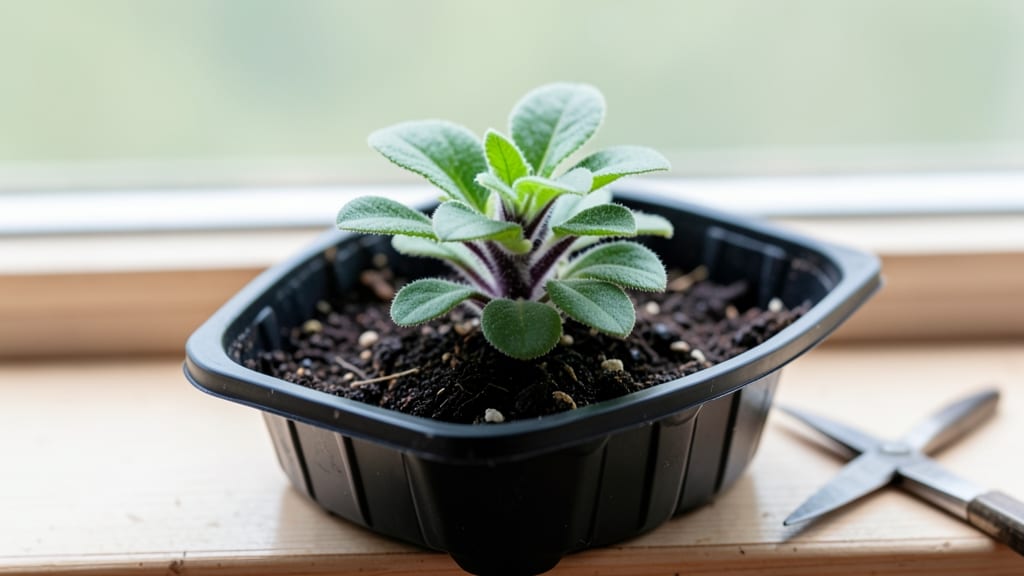
Mastering petunia seedling identification by leaf shape and growth stage prevents thinning mistakes or losing beloved varieties—here’s how to spot them early. 🌱 The first leaves appear fuzzy and rounded, while later growth shows jagged edges—this tiny detail tells you whether you’ve got a grandiflora blooming giant or a milliflora cascade waiting to happen.
I’ve learned to spot these clues early, because once seedlings get crowded, it’s too late to tell them apart.
Healthy petunia seedlings have vibrant green leaves with a slight waxy sheen, while weak ones look pale or yellowed. Check the spacing too—crowded seedlings grow leggy and struggle, but properly thinned ones stand sturdy with strong stems.
My biggest mistake? Waiting until flowers appeared to identify varieties. By then, some seedlings had already outgrown their pots.
You’ll recognize grandiflora types by their broad, almost heart-shaped leaves, while milliflora varieties stay compact with smaller, more rounded foliage. Multiflora seedlings often have a bushier base right from the start. Once you master these visual cues, you’ll know exactly which seedlings to keep for showstopping blooms all summer.
This skill works for any petunia variety, whether you’re growing from seed or transplanting young plants. The key is acting fast—those first few weeks make all the difference between a thriving garden and a disappointment. Here’s how to spot the winners early.
Mistaking Seedlings for Weeds
Identifying petunia seedlings can be tricky, especially when they’re young and resemble other plants in your garden. Misidentification often happens due to a few key factors—some related to the seedlings themselves and others tied to environmental or human errors.
Understanding these causes helps you spot petunias early and avoid pulling them out by mistake.
Petunia seedlings share similarities with common weeds like dandelions, chickweed, or even young tomato plants, making them easy to overlook or misidentify.
- Why it happens: Petunia leaves are lance-shaped or slightly oval with a smooth, slightly wavy edge, but in their earliest stages, they can look almost heart-shaped—similar to weed seedlings. Additionally, petunia leaves may have a slightly fuzzy texture (especially on the underside), but this trait isn’t always visible to the naked eye.
- Actionable fix: Compare your seedlings to a reference chart of common weeds in your region. Look for petunia’s signature traits:
- Veins: Petunia leaves have prominent, curved veins that radiate from the stem.
- Growth pattern: True petunia seedlings grow in a basal rosette (leaves radiating from the ground) before flowering, while weeds often have a more erratic or sprawling habit.
- Color: Young petunia leaves are a deep green with a slight purple tint under bright light, whereas weeds like chickweed are lighter and more uniform.
Petunia seedlings go through distinct growth phases, and if you’re not familiar with them, you might dismiss them as something else entirely.
- Why it happens: In the cotyledon stage (the first leaves that appear), petunias produce two small, rounded leaves that look nothing like mature petunia foliage. These cotyledons can resemble those of marigolds, snapdragons, or even grass, leading gardeners to assume they’re not petunias at all.
- Actionable fix:
- Wait for the true leaves (the second set of leaves) to emerge—these will have the lance-shaped or slightly serrated edges characteristic of petunias.
- Check the stem: Petunia seedlings have a hairy or slightly fuzzy stem, which is less common in weeds.
- Observe the soil: Petunias often self-seed aggressively, so if you see clusters of identical seedlings in the same spot, they’re likely petunias.
Sometimes, petunia seedlings develop unusual leaf shapes or discoloration due to environmental factors, making them look unhealthy or like a different plant.
- Why it happens:
- Overcrowding: If seedlings are planted too closely, they compete for nutrients and light, leading to stunted, twisted, or irregularly shaped leaves.
- Temperature fluctuations: Cold snaps or nighttime temps below 50°F (10°C) can cause purpling or mottling on leaves, making them look like a different species.
- Poor drainage: Waterlogged soil can lead to yellowing (chlorosis) or blackened stems, which may make you think the seedlings are diseased or non-petunia.
- Actionable fix:
- Thin seedlings to 12–18 inches apart to reduce competition.
- Use row covers if nighttime temps drop unexpectedly.
- Ensure well-draining soil—amend with compost or perlite if your garden soil is heavy.
The biggest culprit? Impatience or lack of attention to detail.
- Why it happens:
- Skipping the "true leaf" stage: Many gardeners pull seedlings based on cotyledons alone, missing the key identifying features.
- Assuming all seedlings are weeds: If you’re dealing with a new garden bed, you might not recognize petunias until they flower (which can take 6–8 weeks).
- Ignoring the roots: Petunia seedlings develop a shallow, fibrous root system early on. If you tug on a seedling and it resists, it’s likely a petunia (weeds usually pull out easily).
- Actionable fix:
- Do a "seedling audit" every 3–5 days in early spring.
- Label suspicious seedlings with toothpicks until you’re sure.
- Wait for flowers (if possible)—petunias produce distinct funnel-shaped blooms in shades of purple, pink, red, or white, making identification foolproof.
If you’re still unsure, try this quick trick:
- Gently pinch a leaf—petunia leaves are tender but slightly leathery (not brittle like weeds).
- Smell the foliage—petunias have a mild, slightly sweet scent, while weeds often smell neutral or earthy.
- Check for hairs—run your finger along the stem or leaf underside; petunias are often lightly fuzzy.
By understanding these common causes, you’ll never mistake a petunia seedling for a weed again—and you’ll save yourself the heartbreak of pulling out your future blooms! 🌸
Quick fixes for common seedling struggles
Now that you’ve identified your petunia seedlings, the next step is addressing any issues that might be holding them back. Whether it’s stunted growth, odd leaf shapes, or other red flags, these practical solutions will help you nurture healthy, vibrant seedlings.
Below, we’ve mapped common problems to their fixes—plus prevention tips to keep your seedlings thriving.
Signs: Seedlings leaning, yellowing leaves, or slow growth due to lack of space.
How to Fix It: 🔥 Thin Them Out – Use clean scissors or your fingers to gently remove weaker seedlings, leaving only the strongest ones. Aim for 2–3 inches of space between each plant. 🍳 Repot if Needed – If seedlings are severely crowded, transplant them into larger containers or individual pots with well-draining soil. 👨🍳 Boost Light Exposure – Move seedlings to a sunnier spot (or under grow lights) to encourage even growth.
Prevention Tips: ✨ Start with Proper Spacing – When sowing seeds, follow packet instructions for depth and spacing. 🌡️ Use Trays with Drainage Holes – Prevents waterlogging, which can stress seedlings. 🎯 Monitor Growth Weekly – Check for overcrowding every 7–10 days and thin as needed.
Signs: Tall, thin stems with sparse leaves, often leaning toward a light source.
How to Fix It: 🔥 Adjust Lighting – If using artificial lights, ensure they’re 2–4 inches above seedlings and on for 12–16 hours daily. 🍳 Rotate Seedlings Daily – Prevents uneven growth by exposing all sides to light. 👨🍳 Fertilize Lightly – Use a balanced, water-soluble fertilizer (5-5-5 or 10-10-10) diluted to half-strength to encourage sturdy growth.
Prevention Tips: ✨ Use Full-Spectrum Grow Lights – LED or fluorescent bulbs mimic sunlight better than basic bulbs. 🌡️ Avoid Overheating – Keep temperatures between 65–75°F (18–24°C); too much heat weakens stems. 🎯 Start with Quality Soil – A mix of peat moss, perlite, and compost ensures nutrients are available without overfeeding.
Signs: Chewed leaves, sticky residue (aphids), or white webbing (spider mites).
How to Fix It: 🔥 Isolate Infected Seedlings – Move them away from healthy plants to prevent spread. 🍳 Spray with Neem Oil – Mix 1 tsp neem oil + 1 tsp mild soap + 1 quart water, spray lightly (avoid oversaturating soil). 👨🍳 Introduce Beneficial Insects – Ladybugs or lacewings eat aphids naturally.
Prevention Tips: ✨ Inspect New Plants – Quarantine any seedlings you bring indoors for 1–2 weeks. 🌡️ Keep Areas Clean – Remove debris where pests hide (e.g., old leaves, mulch). 🎯 Use Row Covers – If gardening outdoors, lightweight fabric deters flying pests.
Signs: Wilting, yellowing leaves (overwatering), or crispy edges (underwatering).
How to Fix It: 🔥 Check Soil Moisture – Stick your finger 1 inch deep; if dry, water gently. If soggy, let it dry out before watering again. 🍳 Improve Drainage – Add perlite or sand to potting mix if water pools at the bottom. 👨🍳 Water at the Base – Avoid wetting leaves to prevent fungal diseases like damping-off.
Prevention Tips: ✨ Use Self-Watering Trays – Helps maintain consistent moisture without overdoing it. 🌡️ Water in the Morning – Reduces evaporation and gives seedlings time to dry slightly. 🎯 Avoid Cold Water – Use room-temperature water to prevent shock.
Signs: Yellowing between veins (iron deficiency), purple stems (phosphorus lack), or slow growth.
How to Fix It: 🔥 Test Soil pH – Petunias prefer 6.0–7.0 pH. Adjust with lime (to raise) or sulfur (to lower). 🍳 Fertilize with Micronutrients – Use a chelated iron supplement for yellowing or a balanced bloom booster for phosphorus. 👨🍳 Add Compost Tea – Brew compost in water for 24–48 hours, then strain and use as a nutrient-rich foliar spray.
Prevention Tips: ✨ Start with Nutrient-Rich Soil – Mix in worm castings or compost before planting. 🌡️ Follow a Feeding Schedule – Fertilize every 2–3 weeks once seedlings have true leaves. 🎯 Rotate Fertilizers – Alternate between organic (fish emulsion) and synthetic for balanced nutrition.
Pro Tip: 💡 Keep a seedling journal! Note when you thin, fertilize, or repot—this helps track what works best for your growing conditions. Happy gardening!
Frequently asked questions
How can I tell the difference between petunia seedlings and weeds in early stages?
Look for lance-shaped leaves with slightly fuzzy undersides and prominent curved veins. Petunia seedlings also form a basal rosette (leaves radiating from the ground), while weeds often sprawl. Check for clusters of identical seedlings—petunias self-seed aggressively.
What do healthy petunia seedlings look like at the cotyledon stage?
At this early stage, they have two small, rounded leaves that aren’t yet distinctive. Wait for true leaves (the second set) to appear—these will be lance-shaped with serrated edges. Healthy seedlings also have vibrant green color and a slightly waxy sheen.
How do I distinguish between grandiflora, multiflora, and milliflora petunia seedlings?
Grandiflora seedlings have broad, heart-shaped leaves and grow taller. Milliflora varieties stay compact with smaller, rounded leaves. Multiflora seedlings appear bushier from the start. Check the leaf spacing—milliflora leaves grow closer together, while grandiflora leaves are more spaced out.
Why do my petunia seedlings look weak or discolored?
Common causes include overcrowding (leads to leggy growth), temperature fluctuations (purpling/mottling), or poor drainage (yellowing). Ensure 12–18 inches of spacing, protect from cold snaps (below 50°F/10°C), and use well-draining soil with perlite or compost.