Watering
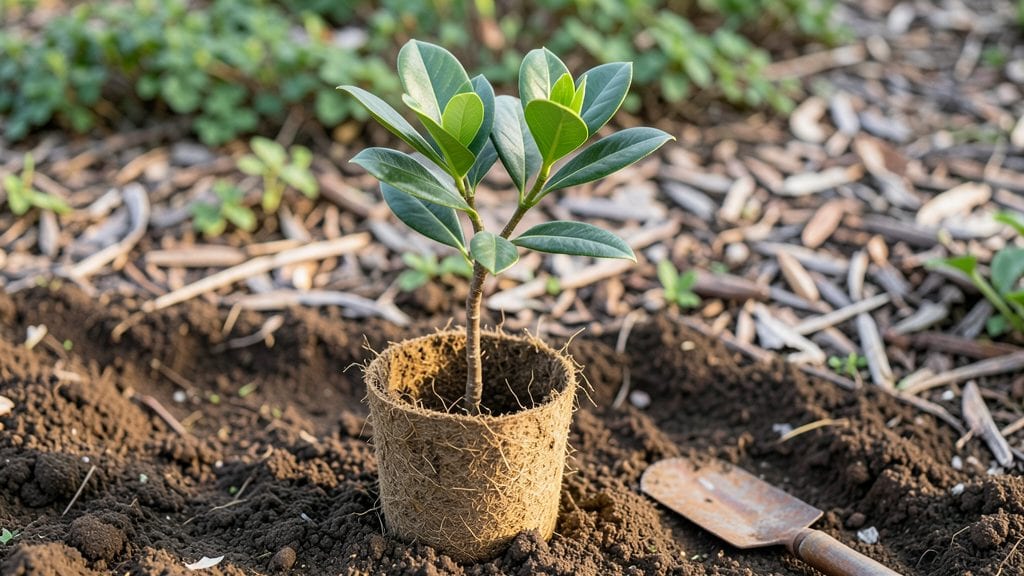
Growing a sweetbay magnolia seedling from cold-stratified seeds is like unlocking a slow-motion miracle—those first pale green leaves emerging after months of patience.
I’ve watched my own seedlings break dormancy after three months in the fridge, and the moment they stretch toward the light feels like witnessing a tiny forest waking up. The key isn’t rushing; it’s trusting the process while giving them exactly what they need to survive that critical first year.
You’ll need a few simple supplies: a well-draining potting mix (think 60% peat moss, 30% perlite, 10% compost), small seedling trays with drainage holes, and a plastic bag or humidity dome to keep them cozy.
Sweetbay magnolias thrive in partial shade—morning sun and afternoon dappled light—and they hate soggy roots, so water just enough to keep the soil lightly moist. The real secret? Cold stratification mimics their natural winter dormancy, which is why this method works better than direct sowing.
By the time you transplant them outdoors in spring, you’ll have sturdy 6-inch seedlings with strong roots ready to handle your zone’s climate. Their glossy leaves and fragrant blooms arrive later than other magnolias, but the payoff is worth it—these trees live for decades with minimal fuss.
Just watch for spider mites in dry spells and keep mulch around the base to protect their shallow roots from summer heat.
This method works best in zones 5-9, where winters are cold enough for natural stratification but not so harsh they’ll kill tender young plants. If you’re in a warmer zone, extend the cold treatment to four months or use a DIY fridge setup.
The first year is all about patience—your seedlings won’t bloom for years, but that’s when the real magic begins.
📚 In This Guide
- What you need
- Instructions
- Tips and common mistakes
- Wrapping up and next steps
What you need
- ● Sweetbay magnolia seeds – 10–20 fresh, viable seeds (ensure they’re fully mature and dry).
- ● Cold stratification setup: 1–2 paper towels or peat moss (moistened but not soggy).
- ● 1 resealable plastic bag (quart-sized) or small container with a lid.
- ● Potting mix – 1 bag of well-draining, acidic soil (pH 5.0–6.0), like a mix of peat, perlite, and pine bark.
- ● Small pots or seed trays – 3–4 inch pots (or a tray with individual cells).
- ● Spray bottle – For gentle watering to avoid disturbing seeds.
- ● Gloves – To protect hands while handling soil or seeds.
- ● Label markers & tags – To track planting dates and varieties.
- ● Humidity dome or plastic wrap – Helps maintain moisture during germination.
- ● Grow lights or sunny windowsill – For post-stratification light exposure.
- ○ Fertilizer (balanced, low-nitrogen) – Optional, for when seedlings are 2–3 inches tall.
Step-by-step instructions for growing sweetbay magnolia seedlings
This is the exact method I use to break dormancy and get strong seedlings in just three months.
Collect and Prepare Seeds
Harvest seeds from ripe, pink magnolia cones in late summer or early fall. The cones should be slightly soft when gently squeezed—they’ll release seeds easily. Remove the fleshy red coating by soaking the seeds in warm water for 24 hours, then scrubbing gently with your fingers. Rinse thoroughly to remove all residue, as leftover pulp can rot the seeds.
Spread the cleaned seeds on a paper towel in a single layer and place them in a sealed plastic bag with a damp paper towel. Store this bag in the refrigerator for 90 days—this cold stratification mimics winter and tricks the seeds into thinking they’ve survived a natural dormancy period. Check the towel weekly; if it dries out, mist it lightly with water and reseal the bag.
Start Germination in a Controlled Environment
After 90 days of stratification, remove the seeds from the fridge and plant them ¼ inch deep in a tray filled with 4 gallons of moistened seed-starting mix. Use a small spoon to create individual holes—don’t press the seeds too firmly, as magnolia seedlings are sensitive to compaction. Cover the tray with a clear plastic dome or wrap to retain humidity, then place it in a warm spot with indirect light (like a north-facing windowsill).
Keep the soil consistently moist but never soggy—water only when the top ½ inch feels dry to the touch. Germination can take 4-12 weeks, so patience is key. You’ll know it’s working when you see tiny green sprouts pushing through the soil. Once they appear, remove the dome immediately to prevent fungal growth.
Provide Ideal Light and Temperature
When seedlings emerge, move them to a location with bright, indirect light—direct sun can scorch their delicate leaves. A grow light set 6 inches above the tray works well if natural light is insufficient. Magnolias thrive in 65-75°F temperatures, so avoid drafts or heat sources. If your home runs cooler, a small seedling heat mat underneath the tray can help maintain consistent warmth.
Fertilize lightly with a balanced liquid fertilizer (like 10-10-10) diluted to half strength after the first true leaves appear. I apply it every 4 weeks during the growing season, but never over-fertilize—magnolias are sensitive to salt buildup in the soil. Watch for dark green, glossy leaves; if they start yellowing, flush the soil with plain water to remove excess salts.
Transplant and Harden Off Seedlings
Once seedlings reach 6 inches tall with 4-5 true leaves, it’s time to transplant them into 6-inch pots filled with the 4 gallons of potting mix. Gently loosen the roots with your fingers before placing them in the new containers—magnolias dislike root disturbance, so handle them carefully. Water thoroughly after transplanting to settle the soil around the roots.
Begin hardening off the seedlings by placing them outside in a sheltered, shaded spot for 2 hours the first day. Gradually increase their outdoor time over 2 weeks, eventually moving them to full sun for 4-6 hours daily. This slow acclimation prevents shock and ensures they thrive once planted in the ground. Avoid transplanting outdoors until all frost risk has passed in your area.
Maintain Through the First Year
After transplanting into the garden, water deeply once a week unless rainfall provides 1 inch of moisture. Magnolias have deep roots, so consistent moisture is more important than frequent shallow watering. Mulch the soil with 2 inches of organic mulch (like pine straw) to retain moisture and regulate temperature—this also suppresses weeds, which compete for nutrients.
Prune only to remove dead or crossing branches in early spring. Sweetbay magnolias grow slowly, so resist the urge to trim for shape in their first year. Instead, focus on keeping the soil moist, the light bright, and the air moving—these three factors will give you the strongest possible seedlings for years to come.
Tips & tricks for perfect sweetbay magnolia seedling growth
Growing sweetbay magnolia seedlings takes patience and precision, but these key strategies will help you avoid common pitfalls and maximize your success rate.
Stratification is Non-Negotiable: That 90-day cold treatment in the refrigerator is absolutely critical for breaking dormancy. I've tried skipping this step, and the seeds either never sprout or produce weak seedlings. The cold period mimics winter conditions, signaling the seeds it's safe to germinate. If you're short on time, you can extend the stratification period to 120 days—just be prepared for a longer wait before germination.
Moisture Balance is Everything: During the germination phase, maintaining that perfect balance of moisture is tricky. Too little and the seeds won't sprout; too much and they'll rot. I use a spray bottle to mist the soil lightly when the top ½ inch feels dry, rather than pouring water directly. This prevents waterlogging while keeping the environment humid enough for germination. A clear plastic dome helps maintain humidity without creating a soggy environment.
Light Requirements Change Dramatically: The transition from indirect light to bright indirect light is crucial once seedlings emerge. Direct sunlight at this stage can scorch the delicate leaves, while insufficient light leads to leggy, weak seedlings. I position my tray near an east-facing window initially, then gradually move it to a south-facing window as the seedlings grow. If natural light is insufficient, a grow light set 6 inches above the tray provides the perfect spectrum for magnolia growth.
Transplant Care Makes All the Difference: When it's time to transplant those 6-inch seedlings, handle them with extra gentleness. Magnolias have sensitive root systems that can be easily damaged. I always loosen the roots with my fingers before placing them in their new pots, rather than trying to pull them out directly. This minimizes shock and gives the roots a better chance to establish themselves in their new environment.
Pro Tips for Sweetbay Magnolia Seedling
- Growing sweetbay magnolia seedlings takes patience and precision, but these key strategies will help you avoid common...
- Stratification is Non-Negotiable: That 90-day cold treatment in the refrigerator is absolutely critical for breaking ...
- Moisture Balance is Everything: During the germination phase, maintaining that perfect balance of moisture is tricky....
Frequently asked questions
Got questions about growing your sweetbay magnolia seedling? You’re not alone—this fast-growing beauty has a few quirks! Here are answers to the most common queries to help you nurture your seedling like a pro.
How do I know if my sweetbay magnolia seedling needs cold stratification?
Cold stratification is key for breaking dormancy. If your seedling isn’t sprouting after 4–6 weeks in warm conditions, it likely needs 3 months of refrigeration (34–40°F) in a moist medium. Check for wrinkled or firm seeds—wrinkled ones are ready for stratification!
Can I speed up germination beyond the 3-month cold stratification?
While 3 months is ideal, some gardeners use slightly longer (up to 4 months) for stubborn seeds. Avoid rushing with heat or soaking—this can damage the seed. Instead, patience and consistent moisture (not soggy!) work best. Think of it as a slow-cooked masterpiece!
What’s the best watering routine for a sweetbay magnolia seedling?
Keep the soil evenly moist but not waterlogged. Water when the top inch feels dry (about 2–3 times per week), but reduce frequency once leaves appear. Overwatering can cause root rot—drainage is critical! A well-draining mix (like 50% peat/50% perlite) helps.
Are there faster-growing alternatives to sweetbay magnolia seedlings?
If you want quicker results, consider semi-mature sweetbay magnolias (1–2 years old) or faster-growing species like southern magnolia or cucumbertree. Seedlings take time, but the payoff? A low-maintenance, fragrant tree that thrives for decades!
Why are my sweetbay magnolia leaves turning yellow?
Yellowing leaves often signal overwatering or nutrient deficiency. Check drainage first—if the soil stays soggy, let it dry out. For nutrients, use a balanced fertilizer (10-10-10) lightly in spring. If only older leaves yellow, it’s natural aging; new growth should stay green!
Still stumped? Drop your question below—we’re happy to help your sweetbay magnolia seedling thrive!
Wrapping up and next steps
Growing a sweetbay magnolia seedling through cold stratification is a rewarding process that unlocks its full potential in just three months! 🌱 With the right materials, patience, and care, you’ll watch those seeds sprout into vibrant, fragrant trees.
Whether you’re a seasoned gardener or a curious beginner, this method makes it easier than ever to cultivate a stunning addition to your landscape.
Now that you’re armed with the knowledge, take the next step—gather your supplies and start your sweetbay magnolia journey today! Your future shade tree (and future neighbors!) will thank you. 🌿