
Lawn
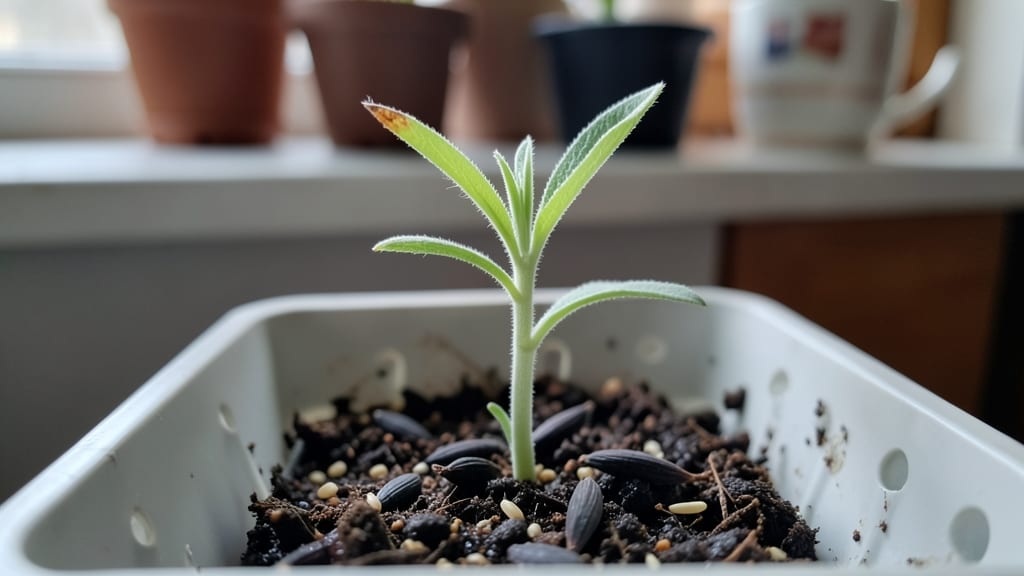
Growing sprouted flax seeds indoors lets you harvest nutrient-packed greens in just 3 weeks—no yard or sunshine required. I’ve grown them through winter’s short days, and the key is mimicking how they’d grow in cold, damp spring soil.
The process is simpler than you’d think, but getting the moisture right makes all the difference between crisp sprouts and slimy messes.
You’ll need a shallow tray, a mesh lid (or cheesecloth), and a sunny windowsill or grow light. Soak the seeds overnight, then rinse them twice daily in cool water while keeping them in a dark spot for the first 24 hours.
After that, move them to light—they’ll unfurl into delicate, pale green shoots within days. The trick is never letting them dry out, but not drowning them either.
By week three, you’ll have tender, grass-like sprouts packed with omega-3s and fiber, ready to add to smoothies or salads. They taste fresh and slightly nutty, with a mild crunch that disappears when blended.
Store them in the fridge for up to a week, wrapped in a damp paper towel to keep them crisp.
Watch for mold—it’s the biggest rookie mistake. If you see fuzzy spots, toss the batch immediately. Overcrowding is another pitfall, so spread seeds thinly in your tray. With these adjustments, you’ll get reliable harvests even in the gloomiest months. Ready to grow your own?
📚 In This Guide
- What you need
- Instructions
- Tips and common mistakes
- Wrapping up and next steps
What you need
- ● Flax seeds: 1 cup (150g) – Organic, whole, and unhulled for best results (avoid pre-ground seeds).
- ● Sprouting jar or container: 1 quart-sized mason jar or wide-mouth container (with a mesh lid or cheesecloth + rubber band).
- ● Water: Room-temperature, filtered if possible (chlorine can inhibit sprouting).
- ○ Colander or strainer: For rinsing (optional if using a jar with a built-in strainer).
- ● Dark storage space: A cool (60–70°F), dark cabinet or drawer (no sunlight!).
- ● Paper towels or sprouting mat: 2–3 sheets (for draining excess water during germination).
- ● Seed sprouting tray: For larger batches (holds 2+ jars).
- ● Small fan or dehydrator: To speed up drying if using for lawn applications.
- ● pH strips: To test water acidity (ideal: 6.5–7.0).
- ● Glass bowl with lid: For transferring sprouts to light after germination.
- ● Dedicate 3–5 minutes daily for rinsing (timing is key!).
- ● Ensure your workspace is clean to avoid mold or bacteria.
- ● Have a well-ventilated area for drying sprouts (if using for lawn/soil).
Step-by-Step instructions for growing sprouted flax seeds
Here’s how to transform tiny flax seeds into vibrant, cold-hardy blooms in just three weeks.
Prepare the Seeds for Sprouting
Start by soaking 1 cup of organic flax seeds in a bowl of lukewarm water for 12 hours. This softens the seed coat and kickstarts germination. Drain the water completely—you don’t want soggy seeds, just plump ones ready to sprout. After soaking, spread the seeds on a paper towel in a single layer and fold the towel to cover them. Place this setup in a cool, dark spot (around 60-65°F) for 2-3 days. You’ll know they’re ready when tiny white sprouts appear—about ¼-inch long.
Don’t rush this step. If the seeds stay too wet, they’ll rot instead of sprout. Check daily and mist lightly with water if the towel dries out. Once sprouted, keep them in the towel until they’re ½-inch tall—this ensures strong roots when planted.
Plant Sprouted Seeds in Containers
Fill a 6-inch-wide pot with 2 inches of well-draining potting mix. Flax seeds need loose soil to prevent root rot, so avoid heavy garden soil. Gently press each sprout ½-inch deep into the soil, spacing them 1 inch apart. Water lightly until the soil is moist but not saturated—you want the sprouts to settle without drowning.
Place the pot in a cool, sunny window (or under a grow light if natural light is weak). Flax thrives in 50-60°F temperatures—warmer than most garden plants. If your home runs hot, move the pot to a shaded balcony or basement during the day. Within 5-7 days, you’ll see the first true leaves emerge, signaling healthy growth.
Provide Cold Stress for Blooms
After the sprouts develop 2-3 sets of leaves, it’s time for the cold treatment that triggers flowering. Move the pot to an unheated garage, porch, or refrigerator (set to 35-40°F) for 10-14 hours daily. This mimics winter conditions and forces the flax to bolt—producing stems and blooms in just 3 weeks. Keep the soil lightly moist during this period, but avoid overwatering, which can cause rot in cold temperatures.
Watch for stems to elongate and leaves to darken slightly—this is your cue that the cold stress is working. Return the pot to room temperature for the remaining daylight hours. Once the stems reach 6-8 inches tall, you’ll see buds forming within 5-7 days. This is the magic of cold-stressed flax!
Maintain Until Full Bloom
Once buds appear, keep the pot in bright, indirect light and maintain 50-60°F temperatures during the day. Water sparingly—flax is drought-tolerant once established, but the soil should never dry out completely. Fertilizer isn’t needed, as flax grows quickly and doesn’t require heavy feeding. In 2-3 weeks, you’ll be rewarded with delicate blue or white blooms on 12-18-inch stems.
To prolong blooming, deadhead spent flowers by snipping them off at the base. This encourages new buds to form. If stems flop over, stake them lightly with toothpicks or a small bamboo stake to keep them upright. With proper care, your flax will keep blooming for 4-6 weeks, making it a stunning indoor or patio display.
Tips & tricks for perfect sprouted flax seed blooms
Here's how to avoid common pitfalls and maximize your flax seed blooming success.
Soaking Temperature Matters: Use lukewarm water around 65°F for soaking your 1 cup of organic flax seeds. Too hot water can scald the seeds, while cold water won't properly soften the seed coat. I fill my bowl with water that feels comfortable to touch—right around body temperature. This ensures even germination without damaging the delicate seeds.
Light Control During Early Growth: In Step 2, when you're placing your 6-inch-wide pot in a sunny window, remember flax seeds need bright but indirect light during their first 5-7 days of growth. Direct sunlight can scorch the tender sprouts. I position my pot about 12 inches from the window and rotate it daily to ensure even growth. A grow light works beautifully if natural light is weak.
Cold Stress Timing: The 10-14 hours of cold treatment in Step 3 is crucial for triggering blooms. I recommend starting this cold treatment when your sprouts have 2-3 sets of leaves and are about 3-4 inches tall. Use a refrigerator set to 35-40°F for precise temperature control. The cold period should begin in the evening and continue through the night, mimicking natural winter conditions.
Deadheading Technique: When you're ready to prolong blooming in Step 4, use clean, sharp scissors to snip spent flowers at the base. This encourages new buds to form. I find that deadheading every 2-3 days keeps my plants producing flowers for their full 4-6 week blooming period. Be gentle with the stems to avoid damaging the plant's structure.
Pro Tips for Sprouted Flax Seed
- Here's how to avoid common pitfalls and maximize your flax seed blooming success.
- Soaking Temperature Matters: Use lukewarm water around 65°F for soaking your 1 cup of organic flax seeds.
- Light Control During Early Growth: In Step 2, when you're placing your 6-inch-wide pot in a sunny window, remember flax seeds need bright but indirect light during their first 5-7 days of growth.
Frequently asked questions
Got questions about sprouting flax seeds?
Here are answers to the most common ones—so you can grow them like a pro!
How long does it take for flax seeds to sprout?
Flax seeds typically sprout in 3–5 days when kept in warm, moist conditions. For cold-stressed blooms (like in your lawn), expect 7–10 days for full germination. Check daily for tiny white sprouts—don’t overwater once they appear!
Do I need special equipment to sprout flax seeds?
Nope! You can sprout flax seeds with just a jar, mesh lid, and water. For lawn sprouting, use a lightweight soil mix (like compost + sand) and a spray bottle. Skip fancy gadgets—keep it simple!
Why are cold-stressed flax seeds better for lawns?
Cold-stressing flax seeds (chilling them for 24–48 hours before planting) boosts germination rates and hardens sprouts for tougher conditions. It mimics winter’s natural shock, helping them thrive in cooler lawn soils. Perfect for early spring or fall planting!
Can I use flax sprouts in place of grass seed?
While flax sprouts won’t replace grass, they’re great for filling gaps or adding temporary green cover. For a lawn, mix sprouted flax with clover or microgreens for a lush, low-maintenance look. Just know they’re annuals—replant next season!
What if my flax seeds mold or smell bad?
Mold or a sour smell means too much moisture or poor airflow. Rinse seeds 2x daily with fresh water and drain well. If mold appears, toss them—safety first! For lawn sprouting, ensure soil drains well to avoid soggy seeds.
Wrapping up and next steps
Growing sprouted flax seeds is a rewarding journey that yields nutrient-packed blooms in just three weeks—no green thumb required! 🌱 With the right setup and patience, you’ll enjoy fresh, cold-stressed seeds perfect for lawn enhancements or culinary uses.
Whether you’re a beginner or a seasoned gardener, this method proves that big results come from small, simple steps.
Ready to take the next step? Start your batch today and watch your sprouted flax seeds transform into vibrant, healthy blooms. Share your progress with fellow gardeners or experiment with creative uses—your lawn (and taste buds!) will thank you. 🌟