
Lawn
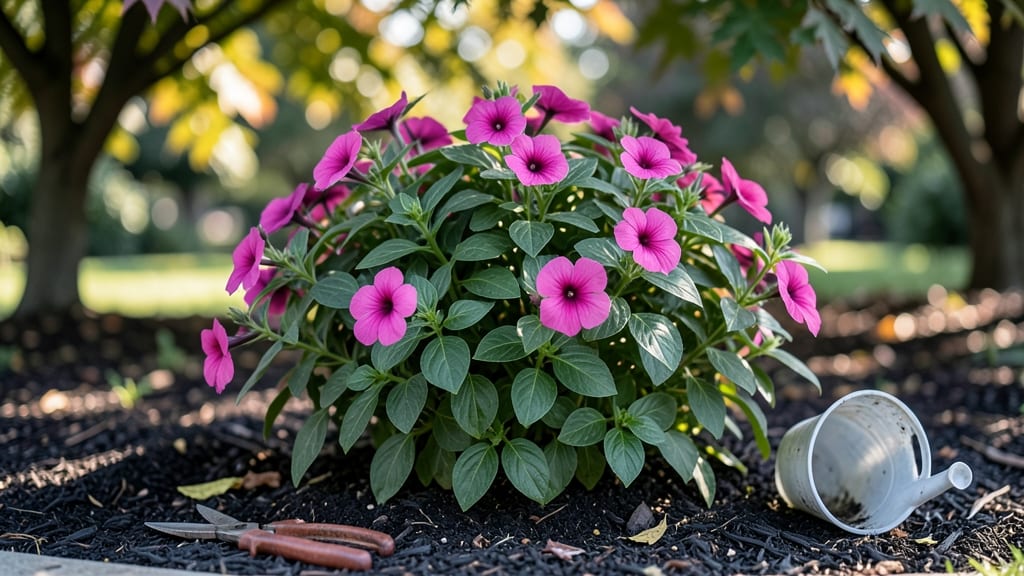
Growing American seed impatiens is the secret weapon for brightening shady spots with nonstop color. 🌿 These plants thrive where nothing else will, and once you see them spill over container edges in jewel-toned blooms, you'll never plant them in the ground again.
I've filled my patio with them, and they've become my go-to for instant summer vibes—even in spots that get just a few hours of morning sun.
The magic starts with the right setup: well-draining potting mix, containers with drainage holes, and a spot that's protected from harsh afternoon sun. They love moisture, so water whenever the top inch feels dry, and feed with a balanced liquid fertilizer every 4-6 weeks.
The key is keeping them happy without fuss—no deadheading required, as they self-clean naturally. Most varieties bloom from early summer until frost, giving you months of effortless color.
You'll end up with lush, velvety foliage and clusters of flowers in pink, red, white, or purple that attract hummingbirds all season. These plants are perfect for hanging baskets, window boxes, or any container where you want a splash of color without the sun requirements of other annuals.
The only challenge is keeping them from flopping—sturdy containers and occasional pruning keep them compact and thriving.
Works beautifully in USDA zones 2-11, making them the ultimate low-maintenance annual for nearly any climate. Once you try them, you'll wonder how you ever lived without these shade-loving superstars in your garden plan.
📚 In This Guide
- What you need
- Instructions
- Tips and common mistakes
- Wrapping up and next steps
What you need
- ● Seeds: American Seed Impatiens (e.g., Impatiens walleriana or hybrid varieties) – 50–100 seeds (adjust based on desired plant density).
- ● Containers: 6–12-inch pots or hanging baskets (ensure drainage holes are present).
- ● Potting Mix: Lightweight, well-draining mix (e.g., 50% peat moss, 30% perlite, 20% compost).
- ● Fertilizer: Balanced liquid fertilizer (10-10-10 or 20-20-20) for seedlings and mature plants.
- ● Watering Can: With a gentle spray nozzle for moisture control.
- ○ Grow Lights (optional but helpful): LED or fluorescent lights (12–16 hours/day) if starting indoors.
- ● Seed Starting Trays: With individual cells for transplanting.
- ● Plastic Wrap or Dome: To retain humidity during germination.
- ● Pruning Shears: For trimming leggy stems or deadheading.
- ● Mulch: Organic mulch (e.g., shredded bark) to retain soil moisture.
- ● Support Stakes (for tall varieties): If growing in containers without natural support.
Step-by-step instructions for growing American seed Impatiens in containers
Here’s how to coax vibrant blooms from tiny seeds—no green thumb required.
🌱 Step 1: Prepare the Seed-Starting Mix and Containers
Fill your 4-inch seed trays with 2 cups of seed-starting mix per tray. I press the mix down lightly with my fingers—just enough to create a firm surface, but not so hard it turns into concrete. This ensures the tiny impatiens seeds stay in place without washing away when you water.
Moisten the mix until it feels like a damp sponge—squeeze a handful gently, and a few droplets should form. If it crumbles, add a little more water. Overwatering here leads to mold, and impatiens seeds are delicate. Place the trays on a heat mat set to 70-75°F to speed up germination.
🌱 Step 2: Sow Seeds and Cover Lightly
Sprinkle 10-15 seeds evenly across the tray surface—don’t press them in. Impatiens seeds are tiny, so I use a toothpick to space them out. Cover them with just ⅛ inch of fine vermiculite or additional mix, barely enough to hide them. Press down very lightly with your fingertip.
Mist the surface with a spray bottle until the top layer looks uniformly damp. Avoid soaking the seeds—they need moisture but not a swampy environment. Place the tray in a clear plastic bag or under a humidity dome to trap warmth and moisture. Check daily for condensation; if you see droplets, remove the cover for 10 minutes to prevent fungal issues.
☀️ Step 3: Germinate Under Grow Lights
Impatiens seeds need warmth and indirect light to sprout. Keep the trays on the heat mat and place them under grow lights set to 12-14 hours daily. Position the lights 2-3 inches above the trays—close enough to see gentle warmth but not so near they scorch the seeds.
Germination takes 10-21 days, but don’t be surprised if some seeds pop in 7 days while others lag. Once you see first true leaves (the second set after the initial seed leaves), remove the humidity dome immediately. Overcrowding and damp conditions now will cause damping-off, a fungal disease that turns seedlings to mush overnight.
🪴 Step 4: Transplant Seedlings to Individual Pots
When seedlings have 2-3 sets of true leaves (about 4-6 weeks after sowing), gently transplant them into 4-inch pots filled with 1 cup of potting mix per pot. Use a small spoon or your finger to create a hole, then slide the seedling in without disturbing the roots. Press the soil around the base firmly but not tightly.
Water lightly after transplanting—just enough to settle the soil. Place the pots in a spot with bright, indirect light for a week to help them recover. Avoid direct sun at this stage; impatiens leaves burn easily when still young. Fertilize with a balanced liquid fertilizer (like 10-10-10) diluted to half-strength after 2 weeks.
☀️ Step 5: Acclimate and Move Outdoors
Once seedlings are 3-4 inches tall with 5-6 leaves, it’s time to harden them off. Start by placing them outside in partial shade for 1-2 hours the first day, gradually increasing their time outdoors over 7-10 days. Watch for wilting or yellowing leaves—this means they’re not ready yet.
After a full week of outdoor acclimation, move them to their final 12-inch containers filled with 3 cups of potting mix per pot. Space them 8-10 inches apart if planting in the ground. Impatiens thrive in morning sun and afternoon shade, so position them where they get 3-6 hours of filtered light daily. Water at the base, keeping the soil evenly moist but never soggy—these plants hate dry roots.
Tips & tricks for growing vibrant American seed Impatiens
Here's what I learned the hard way about nurturing these delicate shade-lovers from seed to bloom.
The Heat Factor: That 70-75°F heat mat temperature is non-negotiable for germination. I've tried cooler setups and ended up with patchy sprouting—some seeds would pop while others refused to budge. If your home stays cooler, consider using a seedling heat mat on top of your counter or under a grow light setup. The consistent warmth mimics their natural tropical environment and speeds up those first critical days.
Timing Secret: When you're checking for condensation under that humidity dome (remember those 10 minutes of ventilation?), look for tiny water droplets on the plastic. This is your cue to lift the cover and let excess moisture escape. I learned this after losing an entire tray to mold—those 10 minutes make all the difference between thriving seedlings and a fungal disaster.
Make-Ahead Strategy: You can actually start your seed trays 2 weeks before your last frost date and keep them indoors under grow lights until ready to transplant. Just maintain that 12-14 hours of light daily and keep the soil consistently moist. This head start gives you a jump on the growing season, especially if you're in a cooler climate.
Transplanting Wisdom: Those 2-3 sets of true leaves are your signal to transplant, but don't rush it! I've made the mistake of moving seedlings too soon when they still had just one set, and they struggled to recover. Wait until you see that third set of leaves—it means they've got enough energy to handle the stress of repotting. Also, use a spoon to gently loosen the soil around each seedling before transferring to avoid root damage.
Pro Tips for American Seed Impatiens
- Here's what I learned the hard way about nurturing these delicate shade-lovers from seed to bloom.
- The Heat Factor: That 70-75°F heat mat temperature is non-negotiable for germination.
- Timing Secret: When you're checking for condensation under that humidity dome (remember those 10 minutes of ventilation?), look for tiny water droplets on the plastic.
Frequently asked questions
Got questions about growing American Seed Impatiens? You’re not alone—these shade-loving beauties are a favorite, but they do have quirks! Here are answers to the most common queries to help you grow a thriving display.
When is the best time to plant American Seed Impatiens?
Plant them after the last frost in spring (typically late April–May in most U.S. zones). They thrive in warm soil and won’t tolerate cold. For containers, you can start seeds indoors 6–8 weeks before the last frost or buy young plants from nurseries for instant color!
How often should I water my impatiens?
Keep the soil consistently moist—they hate drying out! Water every 1–2 days in hot weather, or daily in containers (which dry faster). Mulch around plants to retain moisture. Pro tip: Avoid overhead watering to prevent fungal issues like powdery mildew.
Can American Seed Impatiens handle full sun?
Nope! They’re shade-lovers and will scorch in direct sun. Ideal spots include:
- Dappled shade under trees
- East-facing windows or patios
- North-facing gardens
Why are my impatiens’ leaves turning yellow or dropping?
Yellow leaves usually mean overwatering or root rot. Check for:
- Soggy soil (reduce watering)
- Poor drainage (add perlite or repot)
- Pests like aphids or spider mites (spray with neem oil)
What’s a good alternative if impatiens don’t thrive in my garden?
Try these shade-tolerant, low-maintenance picks:
Plant
Why It Works
Begonias
Similar trailing habit, loves humidity
Fuchsias
Dramatic blooms, thrives in partial shade
Heucheras (Coral Bells)
Stunning foliage, drought-tolerant
Wrapping up and next steps
Growing American Seed Impatiens is a rewarding way to add vibrant, low-maintenance color to your shade gardens or containers! With the right soil, consistent moisture, and a little patience, you’ll enjoy a burst of blooms that brighten up even the shadiest spots. 🌸
Ready to dive in? Start by gathering your supplies and choosing a sunny (or partially shaded) spot—then watch your garden transform! Which shade-loving varieties will you try first?