
Trees
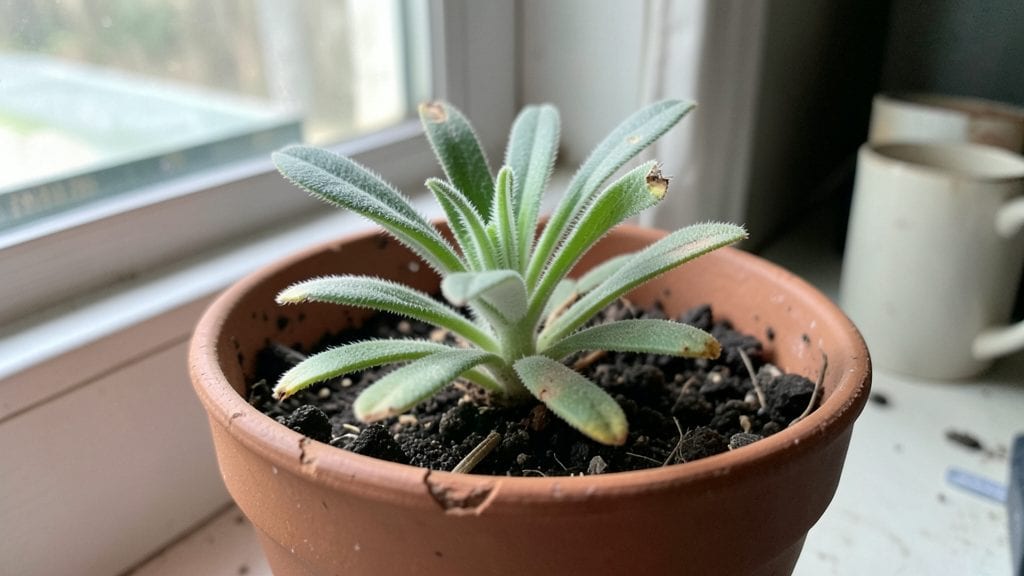
The right snapdragon seedling identification in those first few weeks can turn scrappy sprouts into showstopping blooms—before weeds even think about crashing the party. 🌱 I’ve spent years watching tiny seedlings transform into vibrant flowers, and the key to success starts with spotting them early.
The earliest seedlings have tiny, oval leaves with slightly fuzzy edges, clustered close together. As they grow, the leaves develop a more pronounced lance shape, with a velvety texture that sets them apart from weeds.
Mistaking them for other seedlings is easy, but their compact growth habit and bright green color give them away.
By the time you see the first true leaves—about two inches tall—you’ll spot the classic snapdragon silhouette. These seedlings thrive when thinned to 2-3 inches apart, giving them room to grow into sturdy plants with the iconic snapdragon shape.
This guide covers every stage, from fuzzy baby leaves to mature seedlings, so you can tell them apart from weeds or other plants. Once you recognize them, you’ll never miss a growing season again.
Root Causes of Misidentification
Accurately identifying snapdragon seedlings can be tricky, especially when they’re still young or growing under less-than-ideal conditions. Missteps often stem from a mix of environmental factors, biological quirks, and even human error. Understanding the why behind these challenges helps gardeners and horticulturists spot seedlings correctly—and avoid costly mistakes.
Below are the most common reasons why snapdragon seedlings might be misidentified, along with the science behind each.
Snapdragons (Antirrhinum majus) share similarities with other plants in the Plantaginaceae family, particularly in their early growth stages. Seedlings from foxglove (Digitalis purpurea), toadflax (Linaria vulgaris), or even snapdragon hybrids can look nearly identical at first glance. Here’s why confusion arises:
- Leaf shape mimicry: Young snapdragon seedlings have lanceolate (lance-shaped) leaves, just like foxglove or toadflax. Without close inspection, the subtle differences—like the vein pattern or leaf texture—are easy to overlook.
- Slow early growth: Snapdragons germinate slowly (often taking 10–21 days under ideal conditions), leaving them vulnerable to being overshadowed by faster-growing weeds or other seedlings.
- Hybrid confusion: Some snapdragon cultivars (like Antirrhinum majus hybrids) may produce seedlings with broader or more serrated leaves than traditional varieties, making them harder to match with standard identification guides.
Actionable fix: Compare seedlings to a reference chart of snapdragon vs. look-alike plants. Look for the distinctive "snap" shape of snapdragon flowers (even in bud form) as they mature.
Extreme temperatures, poor soil conditions, or inconsistent moisture can drastically change how a snapdragon seedling develops. Stress often leads to stunted growth, odd leaf shapes, or color changes, making identification harder. Here’s how:
| Stress Factor | Effect on Seedlings | Why It Happens |
|---|---|---|
| Cold soil temperatures (<32°F/0°C) | Slow germination, pale or yellowing leaves | Chilling inhibits enzyme activity needed for cell division, leading to weak, malformed seedlings. |
| Overwatering (waterlogged soil) | Dark, mushy stems; curled leaves | Excess moisture reduces oxygen in roots, causing hypoxia and cell death. |
| High heat (>90°F/32°C) | Thick, leathery leaves; stunted height | Heat stress triggers abscisic acid production, slowing growth and altering leaf structure. |
| Poor soil drainage | Yellowing between veins (chlorosis) | Iron and manganese deficiencies occur when roots can’t access nutrients in waterlogged conditions. |
Actionable fix: Maintain soil temps between 60–75°F (15–24°C) and ensure well-draining mixes (e.g., 50% peat, 30% perlite, 20% vermiculite). Use grow lights if natural light is insufficient.
Even experienced gardeners can misidentify snapdragons if they rely on visual shortcuts or skip key steps. Common pitfalls include:
- Ignoring the cotyledons: Snapdragon seedlings have two rounded cotyledons (seed leaves) that later give way to lance-shaped true leaves. Misidentifying these early stages can lead to confusion with plants like sweet alyssum (Lobularia maritima).
- Focusing only on leaves: While leaf shape is critical, snapdragons are best identified by their growth habit (upright stems) and flower buds (which form early and resemble tiny "soldiers" standing at attention).
- Rushing the process: Snapdragons take 6–8 weeks to flower from seed. Trying to ID them too early (before the 4–6 true leaf stage) increases error rates.
Actionable fix:
- 🔎 Use a magnifying glass to inspect leaf veins and margins.
- 📸 Take progress photos to track changes in leaf shape and stem structure.
- 🌿 Pull a few seedlings to check root structure (snapdragons have fibrous, white roots; weeds often have thick, woody roots).
Not all snapdragon seeds are created equal. Hybridization, open-pollination, or low-quality seeds can produce seedlings that deviate from the "standard" look. Here’s how genetics play a role:
- Hybrid vigor: Cross-pollinated snapdragons (e.g., Antirrhinum majus × Antirrhinum orontium) may have wider leaves, different colors, or slower growth.
- Inbred lines: Older or self-pollinated seeds can result in weaker seedlings with irregular leaf patterns.
- Color mutations: Some seedlings may exhibit striped, spotted, or variegated leaves due to chloroplast mutations.
Actionable fix: Purchase seeds from reputable suppliers (e.g., Baker Creek Heirloom Seeds) and label seedlings by parent plant if growing from open-pollinated flowers. Discard seedlings with extreme deviations (e.g., no resemblance to snapdragon traits) to avoid contamination.
Insects, fungi, or bacteria can alter a seedling’s appearance before it’s properly identified. Common culprits include:
- Fungal infections (e.g., Botrytis or Pythium): Cause blackened stems or powdery mildew on leaves, making seedlings look unhealthy or deformed.
- Slugs/snails: Leave irregular holes in leaves, mimicking nutrient deficiencies.
- Aphids: Cluster on new growth, causing curls or sticky residue (honeydew).
Actionable fix:
- 🛡️ Use row covers or neem oil to prevent pest damage. <
Quick fixes for seedling confusion
Now that you’ve identified why your snapdragon seedlings are tricky to spot (or misidentified), let’s tackle the solutions—practical, step-by-step fixes to streamline your process and prevent future mix-ups. Below, we’ve mapped common issues to their fixes, along with prevention tips to keep your garden thriving.
Problem: Young snapdragons resemble dandelions, chickweed, or other weeds, making them hard to distinguish early on.
Fix:
- 🌱 Examine Leaf Shape Up Close
- Snapdragon seedlings have oval, slightly fuzzy leaves with a slightly serrated edge (like tiny teeth). Weeds often have smoother, more rounded, or deeply lobed leaves.
- Pro Tip: 🔍 Use a hand lens or phone magnifier to spot the fuzzy texture—this is a dead giveaway for snapdragons!
- 🌿 Check Growth Pattern - Snapdragons grow slowly at first, with leaves arranged in a spiral pattern along the stem. Weeds often grow in opposite pairs or clusters. - Quick Test: Gently tug on the seedling.
If it resists (deep roots) and has a woody stem, it’s likely a snapdragon.
- 🌞 Wait for the "Telltale" Flower Bud
- If you’re still unsure, let 2–3 true leaves form before thinning. Snapdragons will start showing tiny flower buds (even in seedling form), while weeds won’t.
Prevention:
- 🌱 Sow in a Weed-Free Bed: Use black plastic mulch or straw to suppress weeds before planting.
- 📅 Stagger Planting: If you’re growing multiple varieties, label trays or plant in separate sections to avoid confusion.
- 💡 Early Identification: Check seedlings every 3–4 days—the earlier you spot them, the easier they are to distinguish.
Problem: Your snapdragons are growing too tall and weak (etiolation) or tiny and crowded, making identification harder.
Fix:
- 💡 Optimize Light Exposure
- Too little light? Move seedlings to a south-facing window or under grow lights (12–16 hours/day).
- Too much heat? Keep them away from radiators or hot windows—snapdragons prefer cool (60–70°F) conditions.
- 🌱 Thin Crowded Seedlings
- If seedlings are packed tightly, use clean scissors (not fingers!) to snip at soil level, leaving the strongest 2–3 plants per pot.
- Pro Tip: 🌱 Save the thinnings—they can be transplanted elsewhere!
- 🌿 Fertilize Lightly (If Needed)
- If leaves are yellowing, use a balanced, water-soluble fertilizer (5-5-5 or 10-10-10) at half strength to avoid burning.
- Avoid over-fertilizing—snapdragons prefer lean soil over rich compost.
Prevention:
- 🌱 Start with Proper Spacing: Sow seeds ¼ inch deep and ½ inch apart in trays.
- 🌡️ Control Temperature: Use a seedling heat mat (if needed) to keep roots warm but avoid overheating.
- 🌿 Harden Off Gradually: Before transplanting, acclimate seedlings to outdoor conditions over 7–10 days to prevent shock.
Problem: Bugs (like aphids) or fungal issues (damping off) make seedlings look unhealthy, obscuring their true form.
Fix:
- 🐜 Treat Pests Immediately
- Aphids? Spray with soapy water (1 tsp mild soap per quart of water) or introduce ladybugs.
- Fungus gnats? Let soil dry slightly between waterings and use yellow sticky traps.
- 🌱 Isolate Affected Seedlings
- If damping off (black stem at soil line) occurs, remove infected plants and sterilize tools with rubbing alcohol.
- Prevention: 🌱 Use sterilized seed-starting mix and avoid overwatering.
- 🌿 Boost Seedling Health
- Weak seedlings? Mist with a diluted seaweed solution (1 tsp seaweed extract per gallon of water) for nutrients.
- Moldy soil? Repot in fresh, dry mix to prevent further spread.
Prevention:
- 🌱 Rotate Crops: If reusing trays, sterilize with bleach (1 part bleach to 9 parts water) before replanting.
- 💡 Monitor Daily: Check seedlings morning and evening for early signs of pests or disease.
- 🌿 Use Row Covers: If outdoor pests are an issue, lightweight fabric covers can protect young plants.
Problem: Without clear records, you might lose track of which seedlings are which, especially in large batches.
Fix:
- 📌 Label Early and Clearly
- Use waterproof plant markers (or popsicle sticks + permanent marker) right when seeds sprout.
- Pro Tip: 📝 Include variety name + date (e.g., "Antique Pink – 5/15").
- 📸 Take Progress Photos
- Snap weekly photos of seedlings with a ruler for scale—this helps track growth stages visually.
- 🗺️ Map Your Garden
- Sketch a simple layout of trays/pots, noting where each variety is planted. Update it as you thin or transplant.
Prevention:
- 🌱 Use Color-Coded Trays: Assign different trays to different varieties (e.g., red tray = red flowers, blue = blues).
- 📅 Set Reminders: Use your phone to alert you when to check seedlings (e.g., "Check snapdragons for true leaves – May 20").
- 🌿 Group by Maturity: Plant fast-growing varieties first, then slower ones, to avoid overlap confusion.
Final Thought: With these targeted fixes, you’ll never second-guess whether that tiny sprout is a snapdragon or a weed again! The key is early action—whether it’s labeling, thinning, or optimizing light—so your seedlings have the best shot at thriving. 🌱✨
Frequently asked questions about snapdragon seedling identification
What do snapdragon seedlings look like in their earliest stages?
New snapdragon seedlings start with two small, rounded cotyledons (seed leaves) that are bright green and fuzzy to the touch. Within 1-2 weeks, true leaves emerge as lance-shaped with slightly serrated edges—these are key identifiers. The leaves grow in a spiral pattern along the stem.
How can I tell snapdragon seedlings apart from weeds?
Weeds often have smoother leaves or grow in opposite pairs, while snapdragons develop spiral-arranged, fuzzy-edged leaves that grow upright. Look for tiny flower buds forming early—snapdragons show them even as seedlings, while weeds won’t. Use a magnifying glass to check for the fuzzy texture.
When is the best time to identify snapdragon seedlings?
Wait until seedlings have 2-3 true leaves (about 3-4 weeks after sowing) for the most accurate identification. This stage reveals the classic lance-shaped leaves and helps distinguish them from look-alikes like foxglove. Early identification prevents overcrowding and ensures proper spacing.
What should I do if my snapdragon seedlings look unhealthy?
Check for yellowing leaves (nutrient deficiency), black stems (damping off), or sticky residue (aphids). Move seedlings to better light, thin crowded plants, and treat pests with soapy water. Avoid overwatering—snapdragons prefer slightly dry soil between waterings.
Can I use a reference chart for snapdragon vs. other seedlings?
A side-by-side comparison chart showing leaf shape, growth patterns, and root structure is invaluable. Take photos of your seedlings alongside the chart to track progress. Snapdragons have fibrous white roots, while weeds often have thick, woody roots.