Trees
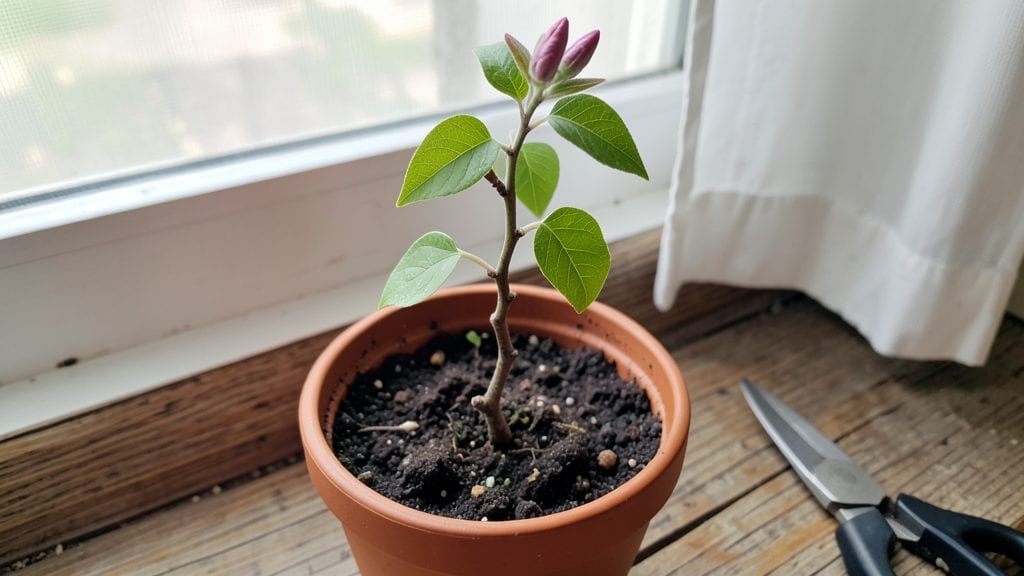
The identification of a redbud seedling hinges on three key traits—leaf shape, twig structure, and those unmistakable pink blossoms—so you’ll spot them in no time. 🌱 I’ve watched these seedlings emerge in my yard for years, and once you know what to look for, they’re impossible to miss.
The heart-shaped leaves with smooth edges and the way the twigs grow in a zigzag pattern are dead giveaways.
The real game-changer is the seed pod—long, flat, and brown when mature, hanging like a tiny bean pod. Most people overlook this, but it’s the final confirmation. Compare it to honeysuckle or dogwood seedlings, which have very different leaf structures and growth habits.
A magnifying glass helps spot the fine details that separate redbuds from look-alikes.
When you spot these clues, you’re looking at a tree that’ll burst into vibrant pink come spring, then turn golden in fall. Proper identification means you’ll know exactly where to plant it—sunny spots with well-draining soil where it can thrive without competition.
The payoff? A small tree that grows fast and adds color for decades.
This works for new gardeners and seasoned growers alike—just grab a notebook, sketch the key features, and you’ll never mistake a redbud seedling again. Here’s how to spot them in the wild or your own backyard.
Root Causes of Misidentification
Accurately identifying redbud seedlings can be tricky, especially when their features overlap with other native trees. Understanding the why behind common mistakes helps gardeners and arborists spot errors early. Below, we break down the most frequent reasons for misidentification—plus how to avoid them.
Redbud seedlings (Cercis canadensis) undergo dramatic changes as they mature. Their early leaves and twigs may resemble those of other trees, leading to confusion. For example:
- Heart-shaped leaves are iconic in adults but can appear rounded or lobed in seedlings, mimicking hickory or maple saplings.
- Purple-pink blooms (a hallmark of mature redbuds) don’t appear until the tree is 3–5 years old, leaving young plants without their signature trait.
- Thin, flexible twigs in seedlings can be mistaken for dogwood or serviceberry, which share similar early growth habits.
Pro Tip: 💡 Look for compound leaf scars on twigs (where leaves attach)—redbuds have a single, smooth scar, while many look-alikes have multiple buds or ridges.
Redbuds are deciduous, meaning their leaves, flowers, and even bark shift with the seasons. These seasonal transformations can obscure key identification features:
| Season | Redbud Traits | Common Misidentification Risk |
|---|---|---|
| Spring | Bright pink-purple flowers before leaves emerge. | Confused with eastern red cedar (which has blue berries) or wisteria (vines with similar blooms). |
| Summer | Compound leaves (3–7 leaflets) turn yellow-green. | Mistaken for honey locust (also has compound leaves but with thorns). |
| Fall/Winter | Exfoliating bark (peeling in thin layers) and bare branches. | Overlooked for sycamore or birch, which also have peeling bark but lack redbud’s distinct twig structure. |
Actionable Fix: ⏰ Time your inspection! Spring is the best time to ID redbuds—flowers and new leaves are most distinctive. In winter, focus on twig arrangement (redbuds have opposite branching, unlike many rivals).
Redbuds grow across the eastern U.S., but their neighbors vary by ecosystem. For example:
- In the Southeast: Southern redbud (Cercis reniformis) has broader leaves and later blooms, often confused with redbud seedlings.
- In the Midwest: Black locust seedlings may be mistaken for redbuds due to thorny twigs, but their leaves are pinnately compound (feathery), not palmate.
- In urban areas: Japanese tree lilac (Syringa reticulata) has similar purple blooms but grows much larger and lacks redbud’s delicate form.
Key Clue: 🌡️ Check the leaf base—redbuds have asymmetrical leaf bases (uneven sides), while many imposters are symmetrical.
Even experienced gardeners misidentify redbud seedlings when they:
- Focus only on flowers (ignoring twigs/leaves). Redbuds bloom early, but their twig color (greenish-brown) and bud shape (pointed, not rounded) are critical.
- Compare to mature trees instead of seedlings. A 10-year-old redbud’s bark is smooth and grayish-brown, but seedlings have fuzzy, reddish-brown stems.
- Rely on color alone. Purple-redbud blooms can resemble crabapple flowers, but crabapples have white or pink petals with 5 distinct lobes.
Quick Checklist: ✨ Before labeling a seedling:
- Are the leaves simple (single leaflet) with a heart shape?
- Do the twigs have opposite branching (buds grow in pairs)?
- Is the bark smooth with faint lenticels (pores) in seedlings?
Quick Fixes for Seedling Confusion
Mistaking a redbud seedling for another tree can lead to poor planting choices or missed opportunities for vibrant spring blooms. But don’t worry—with a few targeted steps, you can accurately identify and care for your young redbud before it’s too late.
Below, we break down common missteps and their solutions, so you can confidently spot (and grow!) these stunning trees.
If your seedling’s leaves resemble those of cherry, hawthorn, or even maple, here’s how to tell them apart:
🍃 Fix: Compare Leaf Shapes and Arrangement
- Redbud leaves are heart-shaped with smooth edges and a slightly pointed tip.
They grow alternately on the stem (one leaf per node). - Cherry leaves are oval with serrated edges and grow in clusters. - Hawthorn leaves are smaller, often lobed, and may have tiny thorns on the stem. - Maple leaves have distinct lobes (like fingers) and grow opposite each other.
Pro Tip: 💡 Hold the leaf up to sunlight—redbud leaves have a subtle, almost translucent vein pattern that’s unique to the species.
If your seedling is barely sprouting, focus on these early clues:
🌱 Fix: Check for Buds and Bark
- Redbud buds are plump, oval, and slightly sticky when young.
They appear in clusters along the twigs. - Bark texture: Young redbud bark is smooth and greenish-gray, while other trees (like dogwood) may have a rougher, more fibrous look. - Root structure: Redbud seedlings often have a taproot (a single thick root) rather than a sprawling fibrous system.
Prevention Tip: ✨ Plant in well-draining soil and keep the area moist but not soggy—this encourages healthy root development for easier identification later.
Redbuds are famous for their pink spring blooms, but if you’re dealing with a seedling, flowers may not be an option. Instead, look for:
🌸 Fix: Track Growth Patterns
- Timing: Redbuds bloom before leaves appear in early spring. If your tree has no flowers but has leaves, it’s likely not a redbud (or it’s past blooming season).
- Seed pods: Mature redbuds produce flat, pea-like seed pods in late summer.
If you spot these on a young tree, it’s a strong redbud clue!
Quick Fix: 🌡️ If you’re unsure, take a close-up photo of the leaves, buds, and bark and compare it to a redbud identification guide online.
Oops—you thought it was a redbud, but now you’re not sure? Don’t panic! Here’s how to correct the mistake:
🌳 Fix: Transplant or Prune Strategically
- If the tree is small (<3 feet tall), carefully dig it up and replant it in the correct location.
- If it’s larger, prune back any misidentified branches and monitor growth. Redbuds grow slowly, so you’ll have time to adjust.
- Label it! 📊 Attach a plant tag with the correct (or suspected) species to avoid future confusion.
Prevention Tip: 🎯 Always cross-reference with at least two identification sources before planting. Apps like iNaturalist or PictureThis can help!
Once you’ve confirmed your redbud seedling, give it the best chance to thrive:
- Water deeply 1-2 times per week (young trees need consistent moisture).
- Mulch around the base (but avoid touching the trunk) to retain moisture and suppress weeds.
- Fertilize lightly in early spring with a balanced, slow-release fertilizer.
Bonus Tip: 🌟 If your redbud grows into a mature tree, its distinctive pink flowers will make identification a breeze—plus, you’ll have a stunning spring centerpiece!
Frequently asked questions
How can I tell a redbud seedling apart from a dogwood sapling?
Look at the leaf arrangement and twig structure: redbud seedlings have alternate leaves (one leaf per node) while dogwoods grow opposite (two leaves per node). Also, redbud twigs are zigzag with smooth bark, while dogwood twigs are straighter with a slightly rough texture.
What’s the best time of year to identify redbud seedlings?
Early spring is ideal—look for pink-purple flower buds before leaves emerge. Summer works too, but focus on the heart-shaped leaves and opposite branching. Winter identification requires examining twig scars and bark texture.
Why do some redbud seedlings have compound leaves?
Young redbuds sometimes produce 3-7 leaflets (compound) before developing the classic single heart-shaped leaf as they mature. This variation is normal—just check for the asymmetrical leaf base and opposite branching to confirm.
Can I grow a redbud from a seed pod I found?
Yes! Collect the flat, brown seed pods in late summer, dry them, then plant the seeds in well-draining soil. Redbud seeds need cold stratification (60 days in the fridge) before planting. Germination takes 3-6 weeks—be patient!
What should I do if my "redbud" seedling isn’t blooming after 2 years?
Redbuds typically bloom at 3-5 years old. If yours isn’t flowering, double-check the leaf shape and twig arrangement—it might be a look-alike like serviceberry. Ensure it’s in full sun and well-drained soil for proper development.