Pruning
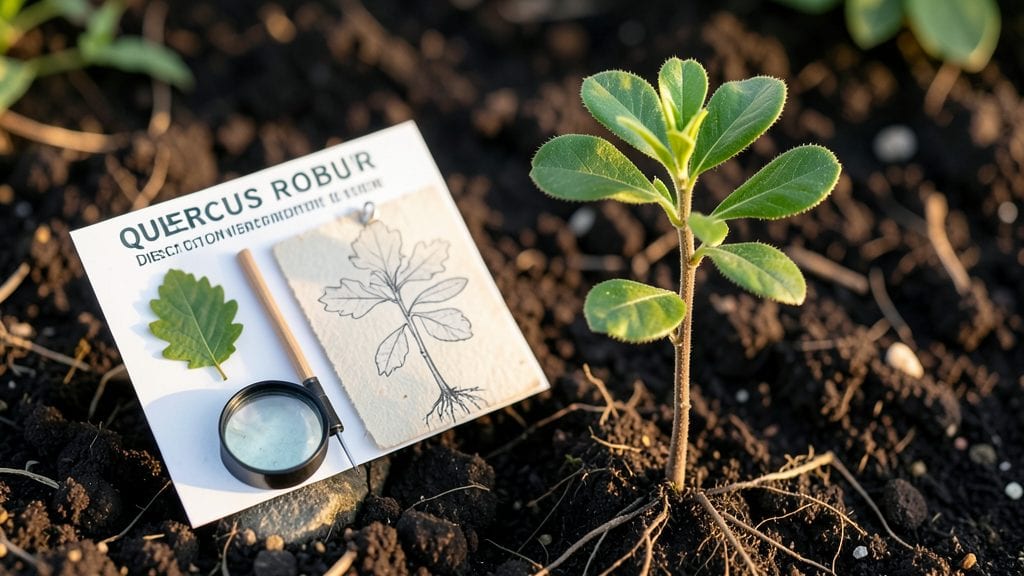
Mastering tree seedling identification by their leaf shape and growth patterns saves you from years of guesswork and potential mistakes—so I’ve spent seasons pulling up misidentified saplings. hard way how critical this skill is. The right ID means proper planting depth, sunlight needs, and long-term care that actually works.
Start with leaf shape: lobed like a maple? Needle-like for pine? Compound with multiple leaflets for hickory? Growth patterns matter too—fast vertical shoots vs. slow, sprawling branches. My first trick?
Snap a clear photo of the seedling, leaves, and bark, then compare it to a field guide or app like LeafSnap. You’ll spot key differences that change how you care for the plant.
Correct identification leads to thriving trees, not stunted failures. A misplaced oak becomes a weakling without proper soil, while a pine planted in full shade will struggle for years. This guide cuts through the confusion—no more second-guessing whether that seedling is a future shade provider or a future headache.
Regional differences matter too: what thrives in the Pacific Northwest won’t survive in the Southeast. We’ll cover common seedlings in your area and how to adapt care based on climate. Grab a magnifying glass and let’s get started—your future shade tree (or windbreak) depends on it.
What Triggers Seedling Confusion
Identifying tree seedlings can feel like solving a botanical puzzle—especially when similar species blur together. But why does this happen? The answer lies in a mix of natural growth quirks, environmental factors, and even human habits. Let’s break down the key reasons seedlings throw curveballs at would-be identifiers.
Young trees often share identical leaf shapes, bark textures, and growth habits during their first few years. This isn’t a mistake—it’s evolution’s way of conserving energy.
Seedlings prioritize survival over specialization, so many species adopt generalist traits (like simple, lobed leaves or smooth bark) to thrive in diverse conditions. For example:
- Oak vs. Hickory: Both can sprout with toothed, lobed leaves that look nearly identical until secondary features (like bud arrangement or leaf base shape) emerge.
- Maple vs. Boxelder: Their samaras (winged seeds) resemble each other, but the leaf vein patterns (palmate vs. pinnate) only become distinct as the seedling matures.
- Pine vs. Spruce: Needles may appear similar at a glance, but needle arrangement (clustered in pines vs. radial in spruces) is the giveaway—often missed by beginners.
Actionable tip: 🔍 Focus on growth patterns over single traits. Measure leaf attachment (alternate vs. opposite), count needle bundles, or observe bud scales—these details separate lookalikes.
Seedlings don’t grow in a vacuum—they adapt to light, soil, and climate, which can distort their "true" form. For instance:
| Factor | Effect on Seedlings | Example |
|---|---|---|
| 💡 Low Light | Leaves grow larger and thinner to capture more sunlight (a trait called etiolation). | A white oak seedling in shade might resemble a sycamore due to exaggerated lobing. |
| 🌡️ Temperature Shifts | Delayed or stunted growth can make buds and bark appear older or younger than they are. | A red maple seedling in a cool spring may sprout leaves resembling sugar maple before developing its signature red stems. |
| 🌍 Soil pH/Nutrients | Deficiencies (e.g., iron chlorosis) cause yellowing or purple tinges, masking natural colors. | A dogwood seedling with iron deficiency might be mistaken for a serviceberry due to distorted leaf patterns. |
Actionable tip: ✨ Compare seedlings in their native habitat. Visit local forests or nurseries to see how species typically appear—then cross-reference with your finds.
Even with the right tools, misidentification happens because of how we (not the trees!) process visual clues:
- Cherry-Picking Traits: Focusing on one feature (e.g., "red stems = dogwood") while ignoring others (e.g., leaf serration, bud shape).
- Seasonal Blind Spots: Relying on winter bark or summer leaves without checking spring buds or fall fruit.
- Scale Illusions: A close-up photo might hide leaf arrangement or stem hairiness that’s visible in person.
Actionable tip: 📊 Use a checklist. For every seedling, note:
- Leaf shape, edges, and veins
- Bud type (scaly, hairy, pointed)
- Stem/bark texture and color
- Growth habit (upright, sprawling, etc.)
Compare against a reliable seedling key to fill gaps.
Some seedlings exhibit reversion—a throwback to ancestral traits that don’t match the adult tree. This is common in hybrids or species with high genetic variability, like:
- Hybrid Aspens: A quaking aspen seedling might sprout with rounder leaves like its bigtooth aspen relative.
- Elm Varieties: American elm seedlings can mimic slippery elm leaves before developing their signature rough bark.
- Willows: Some species produce seedlings with lance-shaped leaves that later shift to broader forms.
Actionable tip: 🌿 Look for consistency. If a seedling’s traits don’t align with its genus (e.g., a "maple" with palmate veins but no samaras), it may be a hybrid or sport. Consult regional botanists or DNA databases for rare cases.
Quick Fixes for Common Seedling ID Mistakes
Misidentifying tree seedlings can happen to even the most seasoned gardeners—but don’t worry! With the right tools and techniques, you can turn confusion into confidence. Below are practical solutions tailored to the most common challenges, from leaf shape mix-ups to growth pattern puzzles. Each fix includes a step-by-step approach and prevention tips to keep your greenery thriving.
If seedlings have leaves that seem almost identical at first glance, the key is to zoom in on details—like edges, veins, and arrangement. Here’s how to tell them apart:
🔥 Step 1: Examine Leaf Margins
- Serrated (toothed) edges? → Likely an oak, maple, or hickory.
- Smooth or lobed? → Could be a beech, sycamore, or birch.
- Needle-like? → Conifer seedlings (pine, spruce, or fir).
💡 Pro Tip: Use a magnifying glass or phone camera with a macro lens for close-ups. Snap a photo and compare it to a tree seedling database like the USDA Plant Database or iNaturalist.
🍳 Step 2: Check Vein Patterns
- Parallel veins? → Mostly monocots (like ginkgo or dawn redwood).
- Netted veins? → Dicots (oaks, elms, or walnuts).
- Pinnate (feather-like) veins? → Common in maples, ashes, or cherries.
👨🍳 Step 3: Compare Growth Habits
- Fast-growing with broad leaves? → Likely a willow, poplar, or birch.
- Slow-growing with compound leaves? → Could be a buckeye, hawthorn, or sumac.
✨ Prevention Tip: Label seedlings immediately after planting with a small flag or QR code (using an app like Gardenate) to track their progress and avoid future guesswork.
Uneven growth rates can make identification tricky. Here’s how to adjust your approach:
🔪 Step 1: Assess Soil Conditions
- Slow growth? → Test soil pH (ideal: 6.0–7.0 for most seedlings). Amend with compost or peat moss if too alkaline.
- Leggy or weak stems? → Overcrowding or poor light. Thin seedlings to 6–12 inches apart and move to a sunnier spot.
🌡️ Quick Fix: For nutrient deficiencies, use a balanced fertilizer (10-10-10) sparingly. Over-fertilizing can harm young roots!
⏰ Step 2: Monitor Watering Patterns
- Wilting leaves? → Underwatering. Water deeply 2–3 times per week (check soil moisture 1 inch below the surface).
- Yellowing leaves? → Overwatering. Ensure pots/drill holes for drainage or loosen compacted soil.
🎯 Prevention Tip: Use a moisture meter or the "squeeze test" (grab a handful of soil—if it crumbles easily, it’s dry; if it stays clumped, it’s soggy).
Some seedlings (like Japanese knotweed or autumn olive) can mimic desirable trees. Here’s how to spot and stop them:
🔍 Step 1: Research Local Invasives
- Check your state’s invasive species list (e.g., _NYIS_ for New York, _CDFA_ for California).
- Red flags: Fast-spreading roots, no flowers/fruit, or leaves that smell bad when crushed.
🌿 Step 2: Remove or Relocate
- Pull by hand (for small seedlings) or use a dandelion digger.
- Smother with cardboard/mulch to block sunlight (for stubborn sprouts).
- Bag and dispose of invasive seedlings—never compost them!
💡 Pro Tip: If you’re unsure, send a photo to a local Master Gardener program or university extension office for a free ID.
No more guesswork! Use these apps to cross-reference your findings:
- LeafSnap (iOS/Android): Upload a photo for AI-powered ID.
- PictureThis: Scans leaves and suggests matches.
- Google Lens: Search for similar images online.
🎯 Final Tip: Keep a seedling journal with photos, dates, and growth notes. Over time, you’ll spot patterns that even experts miss!
Frequently asked questions
What are the most reliable features for identifying tree seedlings?
Focus on leaf arrangement (alternate vs. opposite), leaf margins (lobed, serrated, or smooth), and bud shapes. For example, maple seedlings have palmate leaves with pointed lobes, while oak seedlings often show rounded lobes with bristle tips. Always check the stem texture—hairy stems may indicate a willow or birch.
Can I use a smartphone app for tree seedling identification?
Yes! Apps like LeafSnap or PictureThis analyze leaf photos to suggest matches. For best results, include clear shots of the leaf underside, buds, and bark texture. Cross-check with a field guide—apps sometimes misidentify seedlings due to limited regional data.
Why do some seedlings look different from their adult trees?
Seedlings often exhibit juvenile traits—like smooth bark or different leaf shapes—that change as they mature. For example, a red maple seedling might have simple leaves before developing its iconic lobed form. Compare your findings to seedling-specific guides (not adult tree books).
How do I tell apart invasive seedlings from native ones?
Check for aggressive growth habits (e.g., autumn olive spreads rapidly) and leaf characteristics like compound leaves or thorns. Consult your state’s invasive species database—many invasives lack flowers/fruit in early stages. Remove suspicious seedlings immediately to prevent spread.
What’s the best time of year to identify tree seedlings?
Spring and early summer are ideal—leaves are fully formed but not yet damaged by pests. Avoid fall (leaf drop) and winter (bare stems). Take notes on bud scales in late winter, as they reveal key identification clues before leaves emerge.