
Container Gardens
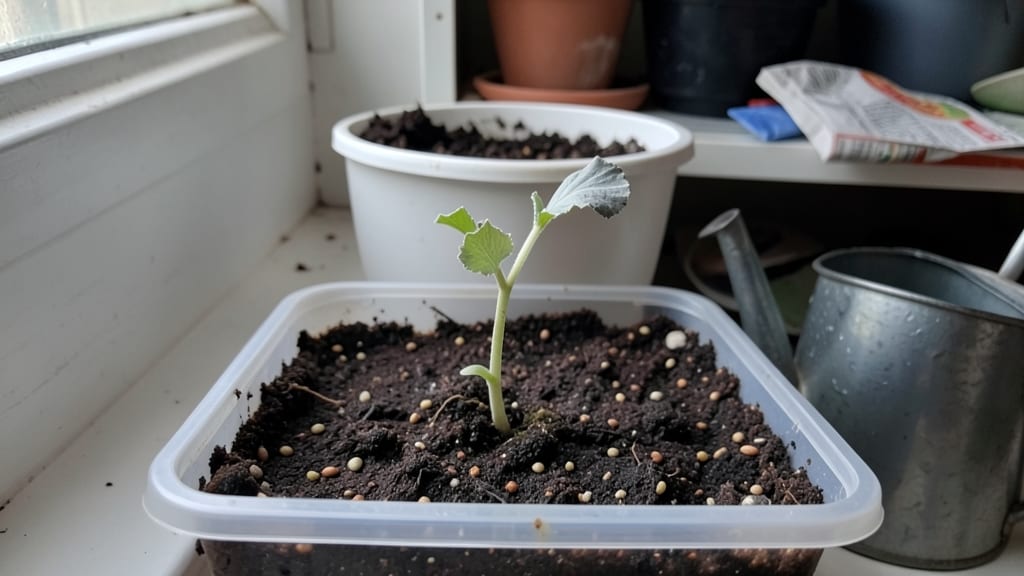
Seeds not growing can feel like a gardening mystery—until you know the five science-backed fixes that actually work. 🌱 I’ve watched trays of seeds sit stubbornly dormant for weeks, only to realize the problem was something simple I overlooked every time.
The good news? Most seed failures come down to just a few key factors you can control right away.
Poor soil quality, planting too deep, inconsistent moisture, or wrong temperatures can all stall germination. My first year, I blamed "bad luck" until I learned to test soil moisture with my finger (it should feel like a damp sponge, not soggy or dry).
Even the freshest seeds need the right conditions—or they’ll just sit there, waiting for something to change.
With these fixes, you’ll see sprouts in as little as 3-7 days for fast germinators like radishes, or 10-14 days for slower ones like tomatoes. The key is checking each factor one by one: soil warmth, light exposure, and even seed age.
Once you pinpoint the issue, the solution is straightforward—and your next tray will break through the soil like clockwork.
No need to toss out old seeds or give up on your garden dreams. Most problems have simple fixes, and knowing what to look for turns frustration into confidence. Let’s troubleshoot your stalled seeds step by step—starting with the easiest check first.
Common Causes Of Stalled Sprouts
Understanding why your seeds refuse to grow is the first step to reviving your container garden. 🌱🔍 Many factors—some obvious, others sneaky—can sabotage germination. Let’s break down the science behind the most frequent culprits and what they’re really doing to your seeds.
Seeds are picky about temperature—think of them as tiny thermometers with strict preferences. Most vegetables and flowers thrive when soil temperatures hover between 60–85°F (15–29°C), but some (like tomatoes or peppers) need warmth (70–90°F / 21–32°C), while others (such as lettuce) prefer cooler conditions (60–70°F / 15–21°C).
- Too cold? Seeds may stay dormant or rot before sprouting. Cold soil slows metabolic activity, delaying or halting germination. - Too hot? Excessive heat can cause seeds to dry out or even cook, especially in direct sunlight.
Heat-loving seeds (like beans) may struggle if soil temps exceed their ideal range.
Pro tip: Use a seedling heat mat (for warm-loving seeds) or a cool-frame (for cold-sensitive varieties). Monitor soil temps with a thermometer—don’t guess!
Water is life—or death—for seeds. The balance is delicate: - Underwatering: Seeds need consistent moisture to activate enzymes that break down stored nutrients.
If the soil dries out, seeds can’t absorb water, and germination stalls. - Overwatering: Poor drainage or soggy soil cuts off oxygen, leading to anaerobic conditions (yes, seeds can suffocate!). This triggers fungal diseases like Pythium or Fusarium, which rot seeds before they sprout.
Actionable fix:
- Use well-draining soil (mix in perlite or vermiculite).
- Water gently from below (bottom-watering trays prevent surface crusting).
- Keep soil moist but not soggy—think of a wrung-out sponge.
Not all soil is created equal. If your mix lacks organic matter, nutrients, or the right texture, seeds may fail to sprout—or worse, rot.
- Compacted or clay-heavy soil restricts root growth and airflow.
- Sterile or chemical-laden soil (from old potting mix or contaminated containers) can inhibit microbial activity essential for seed breakdown.
- Lack of aeration (too fine or dense) suffocates emerging roots.
Solution:
- Use a light, fluffy seed-starting mix (50% peat/coir + 50% perlite/vermiculite).
- Add compost or worm castings for nutrients and beneficial microbes.
- Avoid garden soil—it’s often too heavy and disease-prone for seedlings.
Seeds need just the right burial depth to access moisture without struggling to reach light.
Planting too deep or too shallow throws off the balance: - Too deep: Seeds may exhaust their energy reserves trying to break through, leading to weak or failed sprouts. - Too shallow: Soil can dry out quickly, or seeds may be exposed to harsh light, causing them to dry out or overheat.
Rule of thumb:
- Small seeds (e.g., lettuce, carrots): Cover with ¼ inch (6mm) of soil.
- Medium seeds (e.g., beans, peas): ½–1 inch (1–2.5cm) deep.
- Large seeds (e.g., beans, squash): 1–2 inches (2.5–5cm) deep.
Seeds need light to germinate—but not all at once. Some varieties (like tomatoes or peppers) require light after sprouting, while others (e.g., lettuce) can handle low light during germination.
- No light at all? Seeds may sprout weak, leggy, or fail entirely.
- Too much direct sun? Heat-loving seeds can overcook; sensitive seeds (like basil) may dry out.
Fix it:
- Use grow lights (12–16 hours/day) if natural light is weak.
- Place trays in bright, indirect light (east-facing windows work well).
- Avoid hot, south-facing windowsills for heat-sensitive seeds.
Tiny invaders can wreak havoc before you even notice:
- Fungal infections (e.g., damping-off) cause seeds to rot at the soil line.
- Mold (gray or fuzzy growth) thrives in damp, poorly ventilated soil.
- Pests like slugs, cutworms, or rodents may nibble on seeds or seedlings.
Prevention tips:
- Sterilize tools and containers with a 10% bleach solution (1 part bleach to 9 parts water).
- Use fungicidal sprays (like neem oil) if mold appears.
- Cover seeds lightly with row covers or fine mesh to deter pests.
Seeds don’t last forever! Over time, their internal structures degrade, reducing germination rates.
- Old seeds (especially those past their expiration date) may have low viability.
- Improper storage (moisture, heat, or light exposure) accelerates aging.
Test viability:
- Do the paper towel test: Moisten a paper towel, place seeds inside, seal in a bag, and check for sprouts in 3–7 days.
- If <50% sprout, consider fresh seeds.
Freshly planted seeds don’t need fertilizer—in fact, too many nutrients (especially high nitrogen or salt) can burn tender roots and inhibit germination.
- Over-fertilized soil disrupts osmotic balance, making it hard for seeds to absorb water.
- Salt buildup (from tap water or old potting mix) can prevent water uptake.
Fix:
- Flush soil with distilled or rainwater if using tap water.
- Wait 2–4 weeks before fertilizing seedlings.
- Use organic, slow-release fertilizers (like fish emulsion) after true leaves appear.
Not all seeds are equal—some are hardier, faster, or more sensitive than others.
- Hybrid seeds may have lower vigor than heirlooms.
- Seeds stored in poor conditions (moisture, heat) lose viability faster.
- Pre-treated seeds (e.g., some commercial packets) may need scarification or stratification to germinate.
Check:
- Seed packet instructions for specific needs (e.g., "needs light to germinate").
- Test a few seeds in a separate container to confirm viability before planting your whole batch.
Fix Stalled Sprouts Step by Step
Now that you’ve identified why your seeds aren’t sprouting, it’s time to take action! The good news? Most issues have simple, science-backed fixes—no green thumb required.
Below, we’ve mapped out practical solutions for each common problem, along with prevention tips to keep your future gardens thriving. Let’s get those seeds growing!
Problem: Overwatering drowns seeds, while underwatering leaves them parched. Fix:
- 💧 Check moisture level: Stick your finger ½ inch into the soil. If it’s dry, water gently until moisture reaches the bottom of the pot. If soggy, let it dry slightly before watering again.
- 🌡️ Use the right pot: Containers without drainage holes can trap excess water. Add a layer of gravel or perlite at the bottom to improve airflow.
- 🔥 Watering hack: Use a spray bottle for delicate seeds (like herbs or flowers) to avoid displacing soil. For heartier seeds (tomatoes, beans), a slow pour works best.
Prevention: ✨ Tip: Water at the same time daily (morning is ideal) to maintain consistency. A moisture meter ($10–$15) takes the guesswork out of it!
Problem: Too cold or hot stalls germination. Fix:
- 🔥 Ideal temps: Most seeds germinate best between 65–75°F (18–24°C). Use a seedling heat mat ($15–$30) if your home runs cooler.
- ❄️ Cold-sensitive seeds? Place pots in a warm, sunny spot (like near a south-facing window) or use a clear plastic dome to trap heat.
- 🌡️ Too hot? Move seeds to a cooler room (like a basement) if temps exceed 85°F (30°C).
Prevention: 📊 Pro tip: Check your seed packet for specific temp needs—some (like peas) prefer cooler soils!
Problem: Compacted, nutrient-poor, or acidic soil suffocates seeds. Fix:
- 🔄 Refresh the mix: Replace old soil with a lightweight, sterile potting mix (avoid garden soil—it’s too dense).
- 💡 Boost nutrients: Add a slow-release fertilizer (like 5-10-5) or a compost tea to jumpstart growth.
- 🌱 pH check: Test soil pH (kits cost $5–$10). Most seeds prefer 6.0–7.0. Adjust with lime (to raise pH) or sulfur (to lower it).
Prevention: ✨ Tip: Pre-soak seeds in water for 4–12 hours before planting to kickstart hydration and nutrient uptake!
Problem: Seeds planted too deep run out of energy; too shallow dry out. Fix:
- 📏 Depth guide: Plant seeds 2–3 times their width deep (e.g., a ¼-inch seed goes ½–¾ inch down).
- 🌱 Light lovers: Seeds like lettuce or basil need minimal cover—just press them into the top layer.
- 🔥 Quick fix: If already planted too deep, gently lift the soil and adjust—don’t disturb the seedling once it’s sprouted!
Prevention: 🎯 Rule of thumb: Label your pots! Mark depth and seed type to avoid mistakes next time.
Problem: Mold, insects, or disease kill seeds before they grow. Fix:
- 🍄 Fungal issues? Spritz seeds with a 1:10 hydrogen peroxide-water mix (3%) to kill mold spores.
- 🐜 Pest attack? Remove affected seeds and replant in sterile soil. Use neem oil spray as a preventative.
- 🛡️ Barrier method: Cover pots with fine mesh or plastic wrap (remove after sprouting) to block fungus gnats.
Prevention: 💡 Tip: Sterilize tools with rubbing alcohol before handling seeds to prevent contamination!
Problem: Seeds past their prime won’t germinate. Fix:
- 📅 Test viability: Do the "paper towel test"—moisten a towel, place seeds inside, and wait 3–5 days. If they sprout, they’re good!
- 🔄 Buy new: Purchase fresh seeds (from reputable brands like Baker Creek or Seed Savers) with a high germination rate (90%+).
Prevention: ✨ Tip: Store seeds in a cool, dark, dry place (like the fridge) with a silica gel packet to extend shelf life!
Need faster results?
Try these science-backed hacks: - 🌡️ Warmth boost: Place pots on a seedling heat mat or near a sunny window. - 💧 Pre-sprouting: Soak seeds overnight in lukewarm water (except large seeds like beans—soak for 6–8 hours). - 🌱 Light exposure: Once sprouted, move seeds under grow lights (12–16 hours/day) to prevent legginess.
Remember: Patience is key! Some seeds (like okra or okra) take 10–14 days to sprout. If nothing happens in 2–3 weeks, it’s time to replant.
Now grab your tools, adjust your setup, and watch those tiny sprouts break through! 🌱💚
Frequently asked questions
Why are my seeds just sitting there and not sprouting after 2 weeks?
Most seeds need consistent warmth (65–75°F) and moisture to germinate. If your soil is too cold, dry, or compacted, they’ll stay dormant. Start by checking soil moisture with your finger—it should feel like a damp sponge, not bone-dry or soggy. For slow starters, try a seedling heat mat or move pots to a warmer spot. If nothing happens in 3 weeks, test seed viability with the paper towel method.
Is it better to use old garden soil or fresh potting mix for seeds?
Always use fresh, sterile seed-starting mix—never garden soil. Old soil often contains disease pathogens, compacted particles, or excess salts that suffocate seeds. A lightweight mix (50% peat/coir + 50% perlite) provides the aeration and nutrients seeds need to sprout. Avoid compost-heavy mixes, which can burn tender roots.
How do I know if my seeds are still viable or if I should replant?
Do the paper towel test: Place 5–10 seeds between damp paper towels in a sealed bag. Check for sprouts in 3–7 days. If 50% or fewer sprout, your seeds may be old or stored improperly. For best results, buy fresh seeds (from 2023–2024) from trusted suppliers like Baker Creek or Seed Savers Exchange.
What’s the fastest way to fix seeds planted too deep?
Gently lift the soil surface around the seed (don’t disturb the seedling once it’s sprouted!) and adjust the depth to 2–3 times the seed’s width. For example, a ¼-inch seed should be ½–¾ inch deep. If already planted too deep, cover the pot with clear plastic wrap to trap warmth and moisture while the seedling struggles upward. Most seeds can’t survive deeper than 2 inches.
Can I use tap water for my seeds, or should I use distilled?
Tap water is usually fine, but if it’s hard (high in minerals) or chlorinated, it can build up salts that inhibit germination. Let tap water sit 24 hours to dissipate chlorine, or use rainwater or distilled water for sensitive seeds. Flush the soil lightly after planting to remove excess salts, and avoid fertilizing until true leaves appear.