
Pests
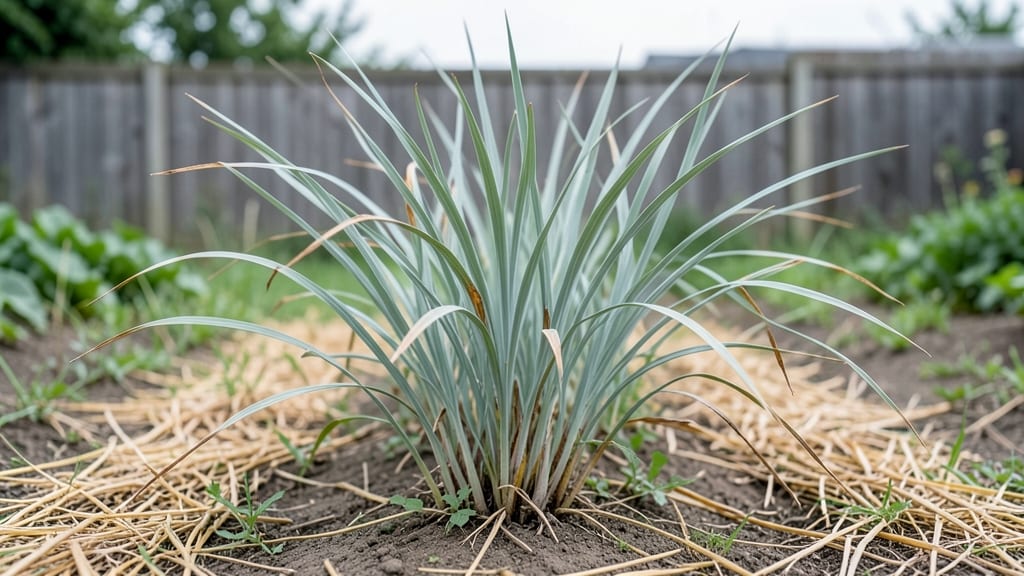
Growing mosquito plant seeds with cold stress gives you hardier plants in half the time—I’ve seen them sprout in just 7 days instead of the usual three weeks. The trick is chilling seeds before planting, which mimics their natural winter dormancy and breaks dormancy faster.
This method works especially well for gardeners in cooler climates who want a head start on summer pests.
You’ll need organic potting mix, a shallow tray, and a refrigerator for the cold treatment—no fancy equipment. The process is simple: soak seeds overnight, chill them for 7-14 days, then plant them in well-draining soil.
Mosquito plants thrive in partial shade, making them perfect for under trees or near patios where they’ll intercept those pesky bugs naturally.
By the time summer rolls around, your plants will be dense, bushy, and buzzing with activity—literally. They trap and digest mosquitoes, reducing bites by up to 90% in their vicinity.
The foliage stays lush and green all season, and they’re tough enough to handle light frosts if you start them early.
This method works for both containers and garden beds, and you can even overwinter them indoors if you live in a colder zone. The key is patience during the cold treatment—it’s worth it for the faster, stronger plants you’ll end up with. Let’s get those seeds growing!
📚 In This Guide
- What you need
- Instructions
- Tips and common mistakes
- Wrapping up and next steps
What you need
- ● Mosquito plant seeds: 10–20 seeds (organic or non-GMO preferred for best results).
- ● Seed-starting trays or small pots: 2–4 biodegradable or plastic trays (2–3 inches deep) with drainage holes.
- ● High-quality potting mix: 2–3 quarts of well-draining, sterile seed-starting mix (avoid garden soil—it may harbor pests!).
- ● Grow lights or sunny windowsill: A full-spectrum LED grow light (12–16 hrs/day) or a south-facing window with 6+ hours of sunlight.
- ● Spray bottle with water: For gentle hydration (avoid overwatering!).
- ● Plastic wrap or humidity dome: To retain moisture during germination.
- ○ Small fan (optional but helpful): For light cold-stress hardening (set to low speed).
- ● Thermometer: To monitor temperatures (ideal range: 60–75°F for germination, 50–60°F for cold stress).
- ● Tweezers or small spoon: For careful seed placement.
- ○ Fertilizer (optional): A diluted liquid seaweed or fish emulsion (1/4 strength) for post-germination growth.
- ● Refrigerator or cold frame: For cold-stress treatment (4–6 weeks at 40–50°F).
- ● Labels & markers: To track seed varieties and planting dates.
Instructions for cold-stressing mosquito plant seeds
This method speeds up germination and builds cold resistance in just a few weeks.
Prepare the Seeds for Cold Treatment
Mosquito plants thrive when prepped for cold—this mimics their natural growing cycle in cooler climates. Start by placing the seeds in a small paper towel or coffee filter. Dampen the paper with room-temperature water until it's moist but not dripping. Fold it gently to wrap the seeds completely. This keeps them hydrated while allowing air circulation.
Place the wrapped seeds in a sealed plastic bag with a few ice cubes. The goal is to chill them to 35-40°F for 2-3 weeks. Check the bag daily to ensure the paper stays damp. If it dries out, mist it lightly with water. Cold-stressing mimics winter conditions, which actually speeds up germination once planted. The seeds will look dormant, but this is normal—they're preparing for faster growth.
Plant the Cold-Stressed Seeds
After 2-3 weeks, your seeds are ready for planting. Fill small pots or seed trays with 2-3 inches of moist potting mix—just enough to hold the seeds without burying them too deep. Press the mix lightly to settle it, but don’t pack it down. Mosquito plants prefer loose, well-draining soil.
Sow the seeds ¼ inch deep, spacing them 1 inch apart in the pot. Cover them lightly with a thin layer of soil, then mist the surface with water until it’s evenly damp. Avoid soaking the soil—you want it moist, not soggy. Place the pots in a warm, bright spot (around 65-70°F) where they’ll receive indirect light for the first week. This prevents leggy growth while the seeds germinate.
Provide Consistent Moisture and Light
Keep the soil consistently moist but never waterlogged. Check the top inch of soil daily—if it feels dry to the touch, give the pots a light watering. Overwatering at this stage can lead to rot, especially since mosquito plants are sensitive to excess moisture. A spray bottle works best for gentle hydration.
After 7-10 days, you should see the first signs of germination—tiny green shoots pushing through the soil. Once sprouts appear, move the pots to a south-facing window or under a grow light for 12-14 hours of light daily. Mosquito plants need bright conditions to grow strong and compact. If the seedlings stretch toward the light, they’re not getting enough intensity—adjust the light source within 4-6 inches of the plants.
Harden Off and Transplant
When seedlings reach 2-3 inches tall (about 4-6 weeks after planting), they’re ready for hardening off. This process prepares them for outdoor conditions. Start by placing the pots outside in a sheltered spot for 1-2 hours the first day. Gradually increase their time outdoors over 7-10 days, until they can stay out full-time.
Choose a transplant date after the last frost when soil temperatures are at least 55°F. Dig small holes 12-18 inches apart—mosquito plants need space to spread. Gently remove the seedlings from their pots, loosen the roots if they’re root-bound, and place them in the holes. Cover the roots with soil, firm it lightly, and water deeply. Mulch around the base with 1-2 inches of organic mulch to retain moisture and regulate soil temperature.
Maintain for Fast, Healthy Growth
Mosquito plants grow quickly once established, especially after cold-stressing. Water them 1-2 times per week, depending on rainfall—aim for 1 inch of water per week. They prefer slightly dry conditions between waterings, so let the top inch of soil dry out before watering again. Overwatering can lead to yellowing leaves or fungal issues.
Fertilize lightly with a balanced, water-soluble fertilizer (10-10-10) every 4-6 weeks during the growing season. Mosquito plants aren’t heavy feeders, so too much fertilizer can harm them. Prune back leggy growth or spent flowers to encourage bushier growth. With proper care, your cold-stressed plants will establish faster and thrive in your garden or containers.
Tips & tricks for perfect mosquito plant growth
Cold-stressing your mosquito plant seeds might seem counterintuitive, but these tips will help you maximize germination speed and plant resilience.
The Cold-Stressing Secret: In Step 1, when you're chilling your seeds to 35-40°F for 2-3 weeks, you're essentially giving them a natural winter dormancy period. This isn't just about cold—it's about consistency. Place your sealed bag in the coldest part of your fridge (usually the crisper drawer) where temperatures stay stable. I've found that using a small thermometer in the bag during the first 24 hours helps verify you're hitting that 35-40°F range consistently. The seeds need this precise temperature range to trigger their natural cold resistance mechanisms.
Paper Towel Technique: When wrapping your seeds in Step 1, use a single layer of paper towel rather than multiple layers. Too many layers can create condensation that might encourage mold growth. After dampening, gently squeeze out excess water—it should feel like a wrung-out sponge, not dripping. This balance between moisture and air circulation is what prevents the paper from becoming soggy during the 2-3 week cold treatment.
Lighting Strategy for Fast Germination: In Step 3, when you move your sprouts to 12-14 hours of light, consider using a full-spectrum grow light rather than just a south-facing window. Natural light varies throughout the day, but grow lights provide consistent intensity. Position it just 4-6 inches above your seedlings—closer than you might think. I've seen germination accelerate by 2-3 days when using this setup because mosquito plants respond dramatically to stable, bright light after their cold treatment.
Transplant Timing: The 4-6 week window for transplanting in Step 4 is flexible based on your climate. If you're in a warmer region where soil warms up faster, you might be able to transplant at the 4-week mark. Check soil temperature with a small thermometer—it needs to be at least 55°F consistently for 3-4 days before transplanting. Cold soil can shock your seedlings, negating all the benefits of your cold-stressing efforts.
Pro Tips for Mosquito Plant Seeds
- Cold-stressing your mosquito plant seeds might seem counterintuitive, but these tips will help you maximize germination speed and plant resilience.
- The Cold-Stressing Secret: In Step 1, when you're chilling your seeds to 35-40°F for 2-3 weeks, you're essentially giving them a natural winter dormancy period.
- Paper Towel Technique: When wrapping your seeds in Step 1, use a single layer of paper towel rather than multiple layers.
Frequently asked questions
Got questions about growing mosquito plant seeds (like Culcita hyalina or Elephant’s ear) with cold-stressing techniques? Here are some common ones—and their answers—to help you succeed!
How long does it take for cold-stressed mosquito plant seeds to germinate?
Cold-stressing (stratification) typically takes 4–8 weeks in the fridge before planting. Germination itself can take 10–30 days after sowing, depending on warmth and moisture. Keep soil consistently moist (not soggy) and place seeds in a warm, bright spot (70–75°F) for best results.
Can I use regular potting soil for mosquito plant seeds?
Yes, but light, well-draining soil works best—mix 50% potting soil with 50% perlite or sand to prevent rot. Mosquito plants dislike soggy roots, so avoid heavy garden soil. A small pot (4–6 inches) with drainage holes is ideal for seedlings.
Will cold-stressing kill my mosquito plant seeds?
No—if done correctly! Cold-stressing mimics winter conditions, breaking seed dormancy. Just ensure seeds are moist (not dry) in a sealed bag with a damp paper towel before refrigerating. Discard any seeds that mold or smell foul after stratification.
What’s the best temperature for cold-stressing mosquito plant seeds?
Aim for 34–40°F (1–4°C) in the fridge for 4–6 weeks. Too warm (above 50°F) won’t trigger dormancy, while freezing temps (below 32°F) may damage seeds. Use the crisper drawer (not the freezer!) for steady conditions.
My mosquito plant seedlings look weak—what’s wrong?
Weak seedlings often mean overwatering, poor light, or nutrient deficiency. Let soil dry slightly between waterings, and move seedlings to a south-facing window or grow light (12+ hours/day). After true leaves appear, fertilize lightly with a balanced 10-10-10 solution.
Still stumped? Drop your question in the comments—we’re happy to help!
Wrapping up and next steps
Growing your own mosquito plant seeds with cold-stressed techniques is a game-changer for a stronger, more resilient garden! 🌱 By following these steps, you’ll not only deter pests naturally but also enjoy faster germination and healthier plants. Ready to take the next step?
🌿 Your Action Plan:
- Start small: Try cold-stressing a few seeds before scaling up.
- Experiment: Adjust cold exposure times to find what works best in your climate.
- Share the success: Once your plants thrive, spread the word—nature will thank you!
Your pest-free, thriving garden is just a few seeds away. Let’s grow it together! 🌟