Planting
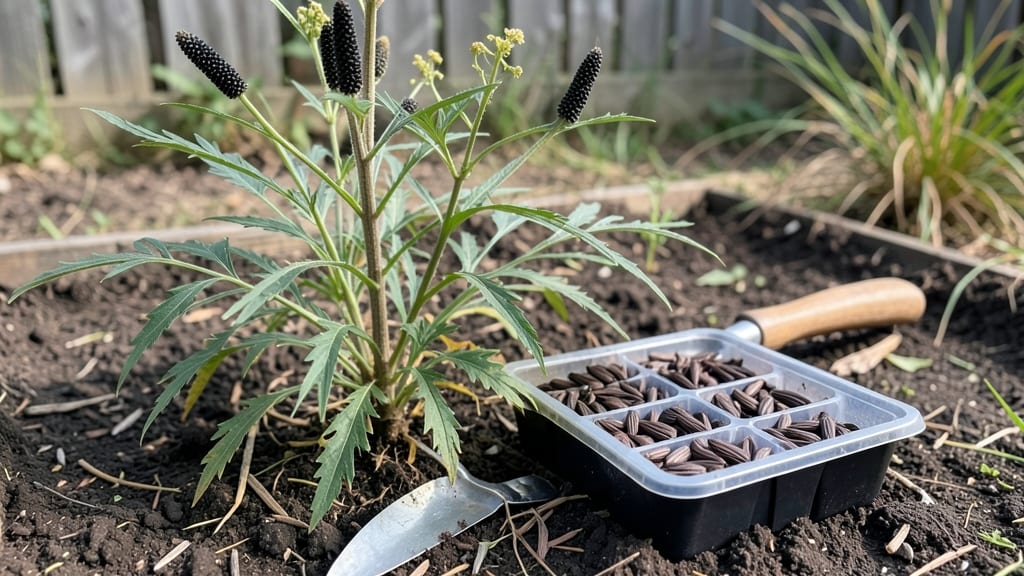
Planting Niger seeds unlocks a fast-growing, drought-tolerant plant that thrives in hot climates. 🌱 I’ve grown them for their striking daisy-like blooms and edible seeds, and the secret to bushy plants starts with the right soil and spacing.
Niger (Guizotia abyssinica) germinates quickly—often within 5-7 days—if you mimic its native African conditions.
The key is loose, well-draining soil mixed with compost, planted ¼-inch deep in rows spaced 12-18 inches apart. Niger loves full sun (6+ hours daily) and hates soggy roots, so mulch lightly to retain moisture without suffocating the soil.
Water deeply once a week unless it rains—overwatering is the fastest way to kill these hardy plants.
Within 4-6 weeks, you’ll see lush foliage and bright yellow flowers that attract pollinators. The seeds mature in 8-10 weeks, ready for snacking or birdseed. Even in poor soil, Niger plants bounce back—just watch for aphids and keep them pruned to encourage bushier growth.
Perfect for borders, pollinator gardens, or even container growing. Once you try Niger, you’ll wonder why you didn’t plant them sooner—they’re the fastest, fussiest-free addition to any sunny spot.
📚 In This Guide
- What you need
- Instructions
- Tips and common mistakes
- Wrapping up and next steps
What you need
- ● Niger seeds: 1–2 teaspoons (~10–20 seeds) – Opt for high-quality, organic seeds for best results.
- ● Growing container: For indoor germination: Small seed trays, plastic pots (3–4 inches deep), or even a repurposed egg carton.
- ● For outdoor planting: A shallow tray or direct sowing in well-drained soil (after germination).
- ● Potting mix: 1–2 cups of lightweight, well-draining soil (e.g., seed-starting mix or a 50/50 blend of potting soil and perlite).
- ● Watering can or spray bottle: A fine-mist sprayer works best to avoid disturbing seeds.
- ○ Plastic wrap or humidity dome: Keeps moisture in during germination (optional but helpful).
- ● Grow lights or sunny windowsill: Niger seeds need warmth (70–75°F) and light to sprout.
- ● Seedling heating mat (if your space is cool).
- ● Fertilizer (balanced 10-10-10 or fish emulsion) – Use sparingly after germination.
- ● Label markers to track planting dates.
- ● Tweezers for delicate seed placement.
Step-by-Step instructions for planting Niger seeds
Here’s how to get those fluffy, fast-growing Niger seed heads in just weeks—no waiting months for results.
🌱 Step 1: Prepare the Soil for Optimal Germination
Niger seeds thrive in well-draining, slightly acidic soil with a pH between 6.0 and 7.0. Loosen the top 4-6 inches of soil in your planting area with a garden fork or tiller to break up compaction. Remove any rocks or debris—Niger seeds are tiny and need a clean, unobstructed surface to sprout.
Work in 1-2 cups of compost per square foot to enrich the soil without overloading it with nitrogen, which can slow germination. Niger seeds are sensitive to soggy conditions, so avoid heavy, clay-heavy soil. If your soil drains poorly, mix in 1 part perlite or coarse sand to improve aeration.
💧 Step 2: Sow Seeds at the Right Depth and Spacing
Scatter the seeds very lightly over the prepared soil—Niger seeds are tiny, so aim for 1/8 inch deep at most. Planting too deep delays germination because the seedling struggles to reach the surface. Space them 12-18 inches apart in rows 18-24 inches apart to allow for bushy growth without overcrowding.
Gently press the soil over the seeds with your fingers or the back of a rake—just enough to ensure contact but not enough to bury them. Water the area lightly with a fine mist or soaker hose until the soil is evenly moist to a depth of 1 inch. Avoid heavy watering, which can wash seeds deeper into the soil or create crusting that blocks sprouts.
☀️ Step 3: Provide Warmth and Consistent Moisture
Niger seeds germinate fastest in warm soil temperatures between 70-85°F. If planting in early spring or fall, use a seedling heat mat or cover the area with black plastic mulch for 1-2 weeks to retain heat. Keep the soil consistently moist—not soggy, but never allowed to dry out completely.
You’ll see first sprouts in 7-14 days, depending on soil warmth. Once seedlings appear, remove any mulch or heat source immediately to prevent overheating. Thin seedlings to 12 inches apart when they reach 2-3 inches tall, snipping weaker stems at soil level with clean scissors. This ensures stronger, bushier plants with better airflow.
✂️ Step 4: Maintain Growth for Fast, Fluffy Blooms
Niger plants need full sun (6-8 hours daily) to develop their signature fluffy seed heads. If grown in partial shade, stems may stretch and become weak. Water deeply once a week, soaking the soil to 6 inches deep—Niger is drought-tolerant once established but benefits from consistent moisture during early growth.
Fertilize lightly 4-6 weeks after germination with a balanced, low-nitrogen fertilizer (10-10-10) to encourage bushy growth without excessive foliage. Stop fertilizing 8 weeks before harvest—too much nitrogen reduces fluff production. Watch for pale or yellowing leaves, which signal overwatering or nutrient imbalance.
⏰ Step 5: Harvest at Peak Fluffiness
Niger seed heads are ready to harvest when they turn tan or light brown and the fluff feels dry and crisp to the touch. Cut entire seed heads with 4-6 inches of stem attached using clean shears. Hang them upside down in a dry, well-ventilated area for 1-2 weeks to fully dry before fluffing.
Gently rub the dried heads between your hands to release the fluff—this is the moment you’ve been waiting for. Store fluff in an airtight container away from moisture. For faster regrowth, trim harvested stems back to 2-3 inches above the base, and new seed heads will form within 4-6 weeks under optimal conditions.
Tips & tricks for fast Niger seed germination
Here's the secret to getting those fluffy Niger seed heads in record time—these tricks will help you sidestep the most common pitfalls and supercharge your growth.
Soil Temperature is Everything: The 70-85°F soil temperature range in Step 3 isn't just a suggestion—it's non-negotiable for fast germination. I've planted Niger seeds in cooler soil (65°F) and saw germination times stretch to 3 weeks instead of the promised 7-14 days. If your spring soil is still chilly, create a microclimate by planting in a black plastic-lined bed or using a seedling heat mat for those critical first 2 weeks. The faster the soil warms, the faster those sprouts appear.
Precision Planting Pays Off: That 1/8-inch depth in Step 2 might seem trivial, but it's the difference between germination in 7 days versus 2 weeks. Niger seeds are tiny and need just enough light to trigger sprouting. I learned this the hard way after burying seeds too deep—plant them so lightly they barely touch the soil surface. For visual reference, that's roughly the thickness of a standard business card. Also, use your fingers to press seeds into the soil rather than raking, which can bury them unevenly.
Watering Wisdom: The "evenly moist to 1 inch" guideline in Step 2 deserves emphasis—this means your finger should sink easily 1 inch deep without hitting dry soil. I recommend using a spray bottle for initial watering to avoid disturbing seeds. Once sprouts appear, switch to drip irrigation or soaker hoses to maintain consistent moisture without the pressure of overhead watering. Overwatering creates anaerobic conditions that rot seeds before they sprout.
Thinning Technique: When thinning seedlings to 12 inches apart in Step 3, do it early—when they're just 2-3 inches tall. I've seen gardeners wait until plants are 6 inches tall, only to discover they've created a dense thicket that competes for sunlight and nutrients. Use clean scissors to snip at soil level rather than pulling, which can damage roots of remaining plants. This early thinning also prevents the need for later transplanting, which stresses Niger plants.
Pro Tips for Plant Niger Seeds
- Here's the secret to getting those fluffy Niger seed heads in record time—these tricks will help you sidestep the mos...
- Soil Temperature is Everything: The 70-85°F soil temperature range in Step 3 isn't just a suggestion—it's non-negotia...
- Precision Planting Pays Off: That 1/8-inch depth in Step 2 might seem trivial, but it's the difference between germin...
Frequently asked questions
Got questions about planting Niger seeds?
You’re not alone! Here are answers to the most common concerns—from timing to troubleshooting—to help you grow a lush, thriving crop with confidence.
How long does it take for Niger seeds to germinate?
Niger seeds typically sprout within 5–14 days under ideal conditions (warmth, moisture, and indirect light). If you’re impatient, keep the soil consistently moist and maintain temperatures around 70–80°F (21–27°C). Slow germination? Check for overwatering or cold drafts—adjust as needed!
When is the best time to plant Niger seeds?
Plant Niger seeds after the last frost when soil temperatures reach at least 60°F (15°C). In warmer climates, sow seeds in early spring or late summer to avoid extreme heat. For container growing, start indoors 4–6 weeks before the last frost to give seedlings a head start.
Can I plant Niger seeds directly in the ground, or should I start indoors?
Both work! Direct sowing is easiest for warm climates or late-season planting. For cooler areas, start seeds indoors 4–6 weeks before transplanting. Use biodegradable pots to minimize root disruption. Pro tip: Hardening off seedlings for 7–10 days before moving them outside improves survival rates.
Why aren’t my Niger seeds sprouting? Troubleshooting tips
Here’s a quick checklist:
- Moisture issues: Soil too dry or waterlogged? Niger seeds need consistent dampness (not soggy).
- Temperature: Too cold (<50°F/10°C)? Use a seedling heat mat or move pots to a warmer spot.
- Depth: Planted too deep? Niger seeds should be ¼ inch (0.6 cm) deep max.
- Light: No sprouts after 2 weeks? Provide bright, indirect light (or a grow light).
Are Niger seeds safe to plant in all climates?
Niger thrives in USDA zones 9–11 and tropical climates but can be grown in cooler zones as an annual. In chilly areas, opt for container growing and bring pots indoors during frost. If you’re in a dry climate, mulch plants to retain moisture—Niger loves humidity but hates drought stress!
Wrapping up and next steps
Planting Niger seeds is a rewarding journey that brings vibrant blooms and lush greenery to your garden or balcony—and you’ve got all the tools to succeed! 🌱 Whether you’re a seasoned gardener or a curious beginner, these fast-growing seeds offer quick gratification and stunning results with minimal effort.
Now that you’re armed with the right knowledge, it’s time to roll up your sleeves and get planting!
Your next step? Mark your calendar for regular watering and watch those seeds transform into a bushy, colorful spectacle. Share your progress with fellow plant enthusiasts—you’ve got this! 🌸