
How To
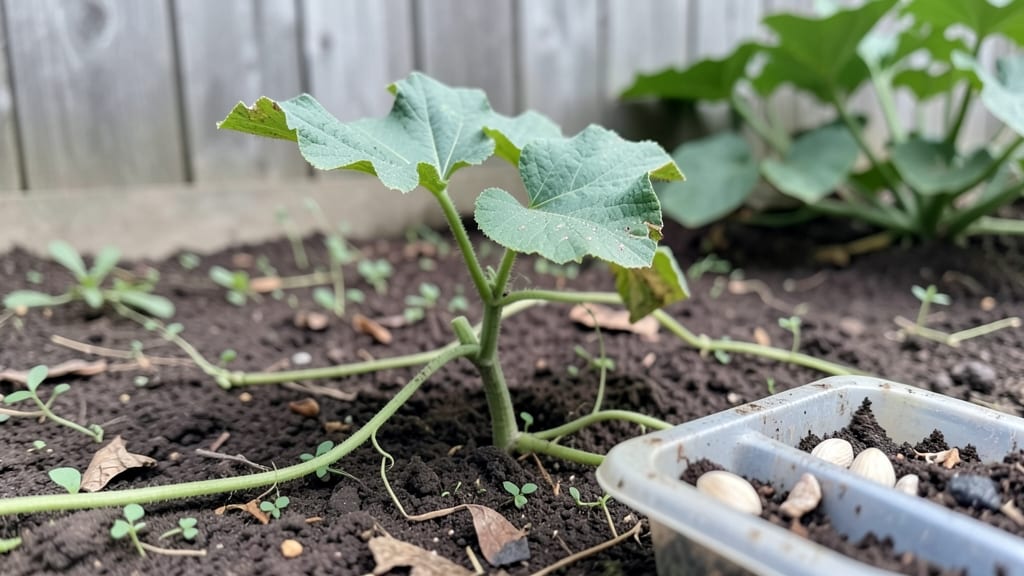
Wondering how long pumpkin seeds germinate? They sprout faster than you’d expect—3 to 10 days under ideal conditions, though mine usually crack the soil in 5 to 7 days when I keep the soil warm and damp.
That quick turnaround means you can plan your planting schedule with confidence, knowing those first tiny green hooks will appear before you know it. The key? Soil temperature matters more than anything else—pumpkins love warmth, and they’ll barely budge if the ground’s still chilly.
Here’s the secret: aim for soil that’s at least 70°F—that’s when germination speeds up noticeably. I’ve seen seeds pop in 3 days when the soil’s toasty, but if it’s cooler than 60°F, they might take 10 to 14 days or even stall.
A heat mat under seed trays or waiting until after the last frost (when soil warms naturally) makes all the difference. Moisture is just as critical—keep the soil damp, not soggy, and those seeds will drink it up like thirsty little sponges.
When you finally see those first sprouts, they’ll look like tiny green hairs poking through the dirt—not the plump seedlings you’re used to. Within 7 to 10 days of sprouting, you’ll notice the first true leaves unfurling, and that’s when the real growth spurt begins.
By then, you’ll be itching to transplant them, but hold off until they’ve got 2 to 3 sets of leaves—that’s when they’re tough enough to handle the move.
If your seeds take longer than 2 weeks to sprout, don’t panic—but do check for moisture and warmth. Old seeds (over 2 years) or ones stored in dry conditions might need a quick soak in warm water overnight to jumpstart them.
And if you’re planting in cooler climates, consider starting them indoors under a grow light until the soil warms up naturally. Patience pays off, and before you know it, you’ll have a jungle of pumpkin vines ready to take over your garden.
Germination Delays Explained
Understanding why pumpkin seeds take longer—or sometimes fail—to germinate helps you troubleshoot and optimize your growing conditions. Here’s a breakdown of the key factors that can slow down or prevent sprouting:
Pumpkin seeds require consistent moisture to activate enzymes that break down stored nutrients, kickstarting germination. If the soil or growing medium is too dry, the seed’s metabolic processes stall, delaying or halting growth.
- Why it happens: Seeds absorb water through their seed coat, triggering the release of hormones like gibberellins, which signal the embryo to grow.
Without enough hydration, this process doesn’t initiate. - Actionable fix: Keep the growing medium evenly moist (not soggy) by misting seeds daily or using a humidity dome. Test moisture by squeezing a handful of soil—it should feel like a damp sponge, not dry sand.
Pumpkin seeds thrive in warm conditions (ideal range: 70–90°F or 21–32°C). If temperatures dip too low or fluctuate wildly, germination slows or stops entirely.
- Why it happens: Enzymes responsible for breaking down starches and proteins in the seed function optimally only within this range.
Cold soil (<50°F or 10°C) can pause germination for weeks, while heat stress (>95°F or 35°C) may damage the embryo. - Actionable fix: Use a seedling heat mat (75–85°F) if growing indoors or wait until soil warms naturally outdoors. Avoid placing seeds near drafts or AC vents.
Seeds need oxygen to respire and activate growth. Compacted or waterlogged soil suffocates seeds, starving them of the air they need to metabolize.
- Why it happens: Oxygen triggers the Krebs cycle in the seed’s mitochondria, producing energy for root and shoot development. Poor drainage or tightly packed soil blocks airflow. - Actionable fix: Use a light, airy medium like coconut coir or vermiculite.
If repurposing garden soil, mix in perlite or sand (20% by volume) to improve aeration.
Pumpkin seeds lose viability over time due to lipid oxidation (fat breakdown) and mechanical wear. Even if stored properly, seeds older than 4–5 years may germinate poorly or not at all.
- Why it happens: The seed’s embryo degrades as fats convert to rancid compounds, while the seed coat hardens, resisting water absorption.
Physical damage (cracks, mold) also disrupts nutrient flow. - Actionable fix: Test seed viability by soaking 10 seeds in water for 24 hours—if fewer than 80% swell, replace your batch. Store new seeds in a cool, dark, dry place (50–60°F) in an airtight container.
While pumpkin seeds don’t need light to germinate, excessive light (especially UV) can dry out the seed coat, while complete darkness may slow hypocotyl (seedling stem) elongation.
- Why it happens: Light triggers ethylene production, which can prematurely age seeds. Conversely, darkness reduces photosynthesis in early stages, delaying energy reserves. - Actionable fix: Cover seeds with 1–2 inches of soil or a damp paper towel to block light until sprouts emerge (usually 3–7 days).
After germination, provide 12–14 hours of indirect light daily.
Residues from pesticides, fungicides, or soilborne pathogens (e.g., Pythium or Fusarium) can inhibit germination by disrupting cellular functions or clogging the seed coat.
- Why it happens: Chemicals like glyphosate or copper-based fungicides may alter hormone balances, while pathogens consume nutrients meant for the seedling. - Actionable fix: Use organic seed-starting mixes and avoid treated soil.
If repurposing garden beds, solarize the soil (cover with plastic for 4–6 weeks) to kill pathogens before planting.
Planting pumpkin seeds too deep (below 1–2 inches) or too shallow (less than ½ inch) can strangle germination. Roots need space to penetrate, while shoots struggle to reach light.
- Why it happens: Deep planting exhausts the seed’s energy reserves before it breaks soil, while shallow planting risks drying out or exposing seeds to light damage. - Actionable fix: Aim for 1 inch deep in well-draining soil.
Use a toothpick to mark planting spots if working in loose medium.
Pro Tip 💡: Combine fixes for faster results! For example, moisture + warmth (via a heat mat) can cut germination time in half. Track conditions with a soil thermometer and moisture meter for precision.
Speed Up Germination Success
Germinating pumpkin seeds can be a rewarding process, but delays or failures often stem from avoidable issues. Below, we break down common problems and practical, step-by-step solutions to ensure your seeds sprout reliably—without guesswork.
Why it happens: Low moisture, improper temperature, or old seeds can stall germination entirely.
Fix it: ✅ Soak seeds overnight in warm water (70–80°F) to kickstart hydration. Use a clean cloth or paper towel to wrap them—this mimics natural moisture conditions. ✅ Use a seed starter kit (or DIY setup) with a heating mat (75–85°F) to maintain ideal warmth. A sunny windowsill works too, but consistency is key. ✅ Check seed viability—if seeds float in water, they’re likely nonviable. Test a few before bulk planting.
💡 Pro Tip: Label seeds with the date—fresh seeds (under 1 year old) germinate fastest. Store extras in a cool, dry place for future use.
Why it happens: Inconsistent moisture, poor airflow, or compacted soil slows sprouting.
Fix it: ✅ Pre-sprout indoors for 3–5 days in a damp paper towel before transplanting. This shaves days off outdoor timelines. ✅ Use a well-draining medium—avoid dense soil. Mix coco coir + perlite (or vermiculite) for airflow and moisture control. ✅ Mist seeds daily (not soaking) and keep humidity high with a plastic dome or humidity tray. Aim for 80–90% humidity during early stages.
🌡️ Pro Tip: A seedling heat mat under trays can cut germination time by 30–50%. Monitor with a thermometer—pumpkin seeds thrive in 75–85°F ranges.
Why it happens: Overwatering or stagnant air creates fungal hotspots.
Fix it: ✅ Reduce watering frequency—let the top inch of soil dry slightly between mistings. Use a spray bottle instead of pouring. ✅ Improve airflow with a small fan on low speed (24/7) to prevent mold. Position it 6+ inches away to avoid drying seeds out. ✅ Disinfect tools and trays with hydrogen peroxide (3%) or rubbing alcohol before use.
✨ Pro Tip: Cinnamon powder (a natural antifungal) sprinkled lightly over soil can prevent mold without harming seeds.
Why it happens: Overcrowding, nutrient deficiency, or sudden temperature swings stress seedlings.
Fix it: ✅ Thin seedlings early—plant seeds 1 inch apart in trays, then transplant to 3-inch pots once sprouts have 2 true leaves. ✅ Fertilize lightly after sprouting with a diluted seaweed solution (1 tsp/1 gallon water) for micronutrients. Avoid heavy fertilizers until leaves appear. ✅ Hardening off (acclimating to outdoor temps) over 5–7 days prevents shock. Start with 2 hours/day in indirect sunlight, gradually increasing.
🔥 Pro Tip: Mycorrhizal fungi (available as powder) can boost root health—mix a pinch into planting soil for stronger seedlings.
Use this quick-reference table to avoid common pitfalls:
| Issue | Prevent It By... | Tools Needed |
|---|---|---|
| Slow germination | Pre-soak seeds + use heat mat | Paper towels, heating mat |
| Mold/fungus | Reduce water + add airflow | Small fan, cinnamon powder |
| Weak seedlings | Thin early + fertilize lightly | Seaweed fertilizer, tweezers |
| Overcrowding | Space seeds 1" apart, transplant early | Seedling trays, pots |
Final Note: Patience is key—pumpkin seeds typically germinate in 4–10 days under ideal conditions. Track your progress with a germination journal (note temps, moisture, and timing) to refine future batches. Happy growing! 🌱🎉
Frequently asked questions about pumpkin seed germination
How soon should I expect to see pumpkin seed sprouts?
Under perfect conditions—warmth (70–90°F) and consistent moisture—pumpkin seeds typically sprout in 3–10 days. Most gardeners see those first green hooks appear in 5–7 days when using fresh seeds and proper soil prep. If your seeds haven’t sprouted in 2 weeks, check for moisture issues or old seeds.
What’s the best way to speed up germination?
Soak seeds in warm water for 6–8 hours before planting to jumpstart hydration. Use a seedling heat mat (75–85°F) and keep soil evenly damp (not soggy). For faster results, pre-sprout seeds indoors on a damp paper towel for 3–5 days before transplanting. Warmth is the #1 factor—pumpkins love heat!
Can pumpkin seeds germinate in cold soil?
Yes, but expect delays. Pumpkin seeds barely sprout below 60°F—germination may take 10–14 days or longer. For cooler climates, start seeds indoors under grow lights or use a heat mat until soil warms naturally. Wait until nighttime temps stay above 55°F before planting outdoors. Patience pays off!
Why did my pumpkin seeds rot instead of sprouting?
Overwatering or poor drainage is the usual culprit. Pumpkin seeds need moisture but not soggy conditions. Let the top inch of soil dry slightly between waterings and use a well-draining mix (like coco coir + perlite). If mold appears, reduce humidity and improve airflow with a small fan. Always plant seeds 1 inch deep—too shallow causes drying, too deep suffocates sprouts.
How do I know if my pumpkin seeds are still viable?
Test viability by soaking 10 seeds in warm water overnight. If 80% or more swell, they’re likely good to plant. Seeds older than 2–3 years may have reduced viability, especially if stored in dry or hot conditions. For best results, use seeds from the current or previous year. Store extras in a cool, dark, airtight container to preserve freshness.