
Advice
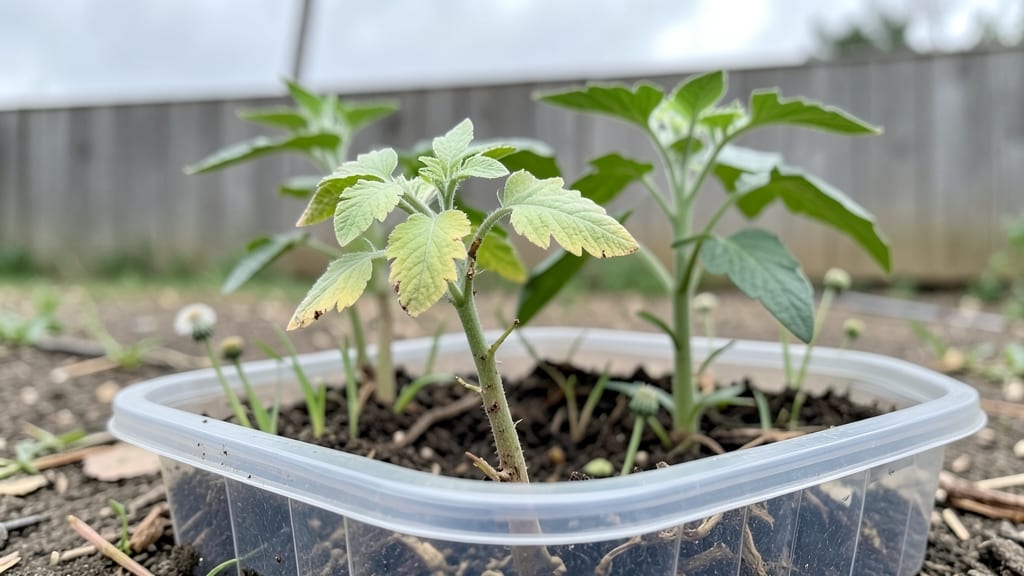
Seedling growth stunted? I’ve pulled leggy, yellowing seedlings back from the brink—here’s how to diagnose and fix the root cause before it’s too late. The first step is checking the soil: dry as dust or soggy like a swamp?
Both kill roots faster than you’d think. I’ve lost count of the seedlings I’ve revived by adjusting just one thing—water, light, or air flow.
Overwatering drowns roots, while underwatering leaves them grasping for moisture like a thirsty traveler. Poor drainage or compacted soil strangles growth, and temperature swings confuse seedlings into thinking it’s winter.
Pests like fungus gnats or aphids suck the life out of tiny stems, and diseases like damping-off rot turn strong starts into mush overnight. The good news? Most fixes take less than 10 minutes and cost nothing.
Start with a soil check—stick your finger in. If it’s dry, water gently until it’s moist but not soaked. Too wet? Move the seedling to a tray with drainage holes and hold off until the top inch feels dry.
Boost light by shifting seedlings within 6 inches of a grow light or sunny window, and thin crowded trays to improve airflow. A quick spray with neem oil tackles pests, while cinnamon dust on the soil surface prevents damping-off.
Prevention is easier: use sterile seed-starting mix, avoid overcrowding, and maintain consistent temperatures between 65-75°F. My seedling survival rate jumped from 50% to 90% after these tweaks—and so can yours. Let’s get those roots growing strong again.
Why it happens
When your seedlings look tiny, pale, or weak—like they’re stuck in slow motion—it’s usually a cry for help from their roots or environment. Understanding the root causes (pun intended!) is the first step to turning things around.
Below, we break down the most common culprits behind stunted seedling growth, explained in plain terms with science-backed insights.
🌱 Inadequate Light Exposure
Seedlings are like sun-worshipping vampires—they need light to thrive, but too little (or too much of the wrong kind) can stunt their growth. Here’s why:
- Photosynthesis slowdown: Without enough light, seedlings can’t produce chlorophyll efficiently, leading to weak stems and yellowing leaves (a condition called etiolation).
- Leggy seedlings: Stretching toward light sources (like a window or grow light) is their way of saying, “I’m desperate!” This wastes energy and weakens their structure.
- Cool-season crops vs. warm-season crops: Lettuce and spinach can handle lower light, but tomatoes and peppers require 12–16 hours of bright light daily to avoid stunting.
Pro tip: 💡 If using natural light, rotate trays daily so seedlings grow straight. For indoor setups, LED grow lights (12–16 inches above seedlings) are ideal—just avoid heat stress by keeping them cool.
💧 Overwatering or Poor Drainage
Water is life, but too much of it is a death sentence for seedlings. Here’s how soggy soil sabotages growth:
- Root rot: Excess moisture suffocates roots by cutting off oxygen, leading to black, mushy stems and a foul smell. Fungal pathogens like Pythium thrive in these conditions.
- Nutrient lockout: Overwatered soil flushes away essential nutrients (like nitrogen and phosphorus) that seedlings need to grow.
- Compacted soil: Waterlogged soil compresses, leaving no air pockets for roots to breathe. Seedlings may sprout but struggle to absorb moisture or nutrients.
Pro tip: 🌡️ Use your finger to test soil moisture—top 1–2 inches should be dry before watering. If your tray has no drainage holes, add perlite or vermiculite to improve aeration.
🌡️ Temperature Stress
Seedlings are sensitive to temperature swings—too hot or too cold can halt growth faster than a power outage. Here’s how it happens:
- Cold stress: Temperatures below 50°F (10°C) slow metabolic processes, delaying germination and growth. Cool soil also reduces nutrient uptake.
- Heat stress: Above 85°F (29°C), seedlings may wilt or develop brown, crispy edges. High heat also increases water evaporation, drying out roots.
- Uneven heating: Drafts from vents, AC units, or open windows can create “hot spots,” causing seedlings to lean or grow unevenly.
Pro tip: ✨ Keep seedlings in a stable range of 65–75°F (18–24°C) during the day and no lower than 55°F (13°C) at night. Use a heat mat (for cool climates) or shade cloth (for hot spells) to regulate temps.
🍽️ Nutrient Deficiencies or Imbalances
Seedlings are like teenagers—they need the right fuel to grow. Too little or too much of certain nutrients can derail their development:
- Nitrogen (N) deficiency: Leads to pale, yellow leaves (starting with older ones) and stunted stems. Nitrogen is critical for leafy growth.
- Phosphorus (P) deficiency: Causes dark green or purple-tinged leaves and weak roots. Phosphorus helps energy transfer in cells.
- Over-fertilizing: Too much salt (from fertilizers) burns roots, causing wilting or crispy edges. Always follow the “half-strength” rule for seedlings.
- Micronutrient gaps: Lack of iron, magnesium, or zinc can cause yellowing between leaf veins (chlorosis) or stunted growth.
Pro tip: 📊 Start with a balanced, water-soluble fertilizer (like 5-5-5 or 10-10-10) at ¼ strength. If using soil, ensure it’s rich in compost or worm castings for natural nutrients.
🦠 Disease or Pest Pressure
Tiny invaders and pathogens can halt growth before you even notice. Here’s how they strike:
- Fungal diseases:
- Damping-off: A soil-borne fungus that cuts seedlings at the soil line, causing them to collapse like a house of cards.
- Powdery mildew: White, powdery coatings on leaves block sunlight, slowing photosynthesis.
- Pests:
- Aphids: Sap-sucking insects that weaken seedlings by draining nutrients and spreading viruses.
- Fungus gnats: Their larvae eat roots, leading to stunted growth and wilting.
- Bacterial infections: Soft, mushy stems or water-soaked spots are signs of bacterial wilt or stem rot.
Pro tip: 🔥 Prevent fungal issues with sterile soil (pasteurized or seed-starting mix) and avoid overcrowding. For pests, use neem oil or introduce beneficial insects like ladybugs.
Revive Your Seedlings Fast
If your seedlings are struggling, don’t panic—there are quick, actionable fixes to get them back on track. Below, we’ve mapped the most common causes of stunted growth to practical solutions, along with prevention tips to keep your plants thriving. Think of this as your seedling first-aid kit!
Problem: Roots compete for nutrients, water, and space, leading to weak, leggy seedlings. Fix:
- 🔥 Gently Remove Seedlings – Use a small spoon or your fingers to carefully lift seedlings from the soil.
- 🍳 Prune the Roots – Trim any tangled or circling roots (but leave at least 1–2 inches intact).
- 👨🍳 Repot or Space Out – Transplant into larger containers (if seedlings) or thin them in the garden, leaving 2–3 inches of space between plants.
- 🥘 Add Fresh Soil – Mix in compost or a slow-release fertilizer to boost nutrients.
Prevention Tip: 💡 Sow seeds at the recommended depth and spacing—check seed packets for guidelines!
Problem: Overwatering suffocates roots, while underwatering stresses seedlings. Fix:
- 🌡️ Check Soil Moisture – Stick your finger 1 inch deep—if dry, water; if soggy, hold off.
- ⏰ Water Deeply but Less Often – Aim for 1–2 times per week (adjust for climate). Use a spray bottle for fine misting or a watering can with a narrow spout for precision.
- 🔥 Improve Drainage – If soil stays wet too long, mix in perlite or sand to aerate.
- 🎯 Avoid Wetting Leaves – Water at the base to prevent fungal diseases like damping-off.
Prevention Tip: ✨ Use a moisture meter or the "squeeze test" (gently press soil—if it crumbles, it’s dry enough).
Problem: Weak soil lacks essential nutrients, slowing growth. Fix:
- 📊 Test Your Soil – A simple DIY test kit (or send a sample to a local extension office) checks pH and nutrient levels.
- 💪 Add Organic Matter – Mix in compost, worm castings, or aged manure for a nutrient boost.
- 🍎 Use a Balanced Fertilizer – For seedlings, opt for a low-nitrogen, high-phosphorus fertilizer (like 5-10-5) to encourage root growth.
- 🥗 Foliar Feed (Quick Fix) – Spray diluted seaweed extract or fish emulsion for an instant nutrient hit.
Prevention Tip: 🔥 Pre-mix soil with compost before planting—no last-minute scrambling!
Problem: Too little light = leggy, weak stems; too much = scorched leaves. Fix:
- 🔥 Move to a Sunny Spot – Seedlings need 12–16 hours of light daily. Place near a south-facing window or under grow lights.
- 🍳 Rotate Daily – Turn containers quarter-turns every 24 hours to prevent leaning.
- 👨🍳 Use Reflective Surfaces – Place a white sheet or aluminum foil behind seedlings to bounce extra light.
- 🥘 Gradual Hardening – If transitioning outdoors, acclimate slowly (1–2 hours/day, increasing over a week).
Prevention Tip: ✨ Start with grow lights if natural light is weak—no guesswork!
Problem: Bugs (like aphids) or fungi (like damping-off) drain energy. Fix:
- 🔥 Inspect Leaves & Stems – Look for chewed edges, sticky residue (honeydew), or black/mushy spots.
- 🍳 Remove Infested Parts – Snip off damaged leaves with sterilized scissors.
- 👨🍳 Treat Naturally –
- Pests: Spray with neem oil or insecticidal soap.
- Fungus: Dust with cinnamon or copper fungicide.
- 🥘 Quarantine New Plants – Keep them separate until pest-free.
Prevention Tip: 💡 Water in the morning (leaves dry faster) and avoid overhead watering.
Final Pro Tip: 🎯 When in doubt, transplant into fresh, sterile soil—sometimes a clean slate is all they need!
Frequently asked questions
Why are my seedlings growing so slowly even with enough water?
Slow growth with proper watering often signals light deprivation or nutrient deficiencies. Most seedlings need 12-16 hours of bright light daily—if they're stretching toward a window, they're starving for light. Check soil nutrients too: pale leaves may indicate nitrogen deficiency, while dark green/purple stems suggest phosphorus needs. A quick fix is moving seedlings closer to a light source or adding compost to the soil.
Can I save seedlings that have collapsed at the soil line?
This is likely damping-off disease, a fungal infection that cuts seedlings at ground level. If the stem is still firm when you gently tug it, replant in sterile seed-starting mix with cinnamon dust on top to prevent fungal growth. Discard any seedlings with mushy, blackened stems—they won't recover. For prevention, avoid overwatering and ensure good airflow between plants.
How often should I fertilize seedlings?
Seedlings are sensitive to fertilizer—start with half-strength liquid fertilizer every 2-3 weeks once they develop their first true leaves. Over-fertilizing burns delicate roots. For organic options, use compost tea or diluted fish emulsion. Always water thoroughly before and after applying fertilizer to prevent salt buildup in the soil.
My seedlings look healthy but aren't growing—what's wrong?
If seedlings appear normal but growth has stalled, check temperature—ideal range is 65-75°F (18-24°C). Drafts, cold nights, or heat stress can pause development. Also verify root space: crowded roots compete for nutrients. Gently check roots—if they're circling or tangled, transplant into larger containers with fresh soil to encourage new growth.
Is it too late to fix leggy seedlings?
Never! Leggy seedlings (tall, thin stems) just need more light and support. Move them to a brighter spot immediately and consider using a small stake or toothpick to prop them up. For severe cases, trim the top 1-2 inches to encourage bushier growth—this redirects energy to root development. Within days, you'll see stronger, stockier stems forming.