Trees
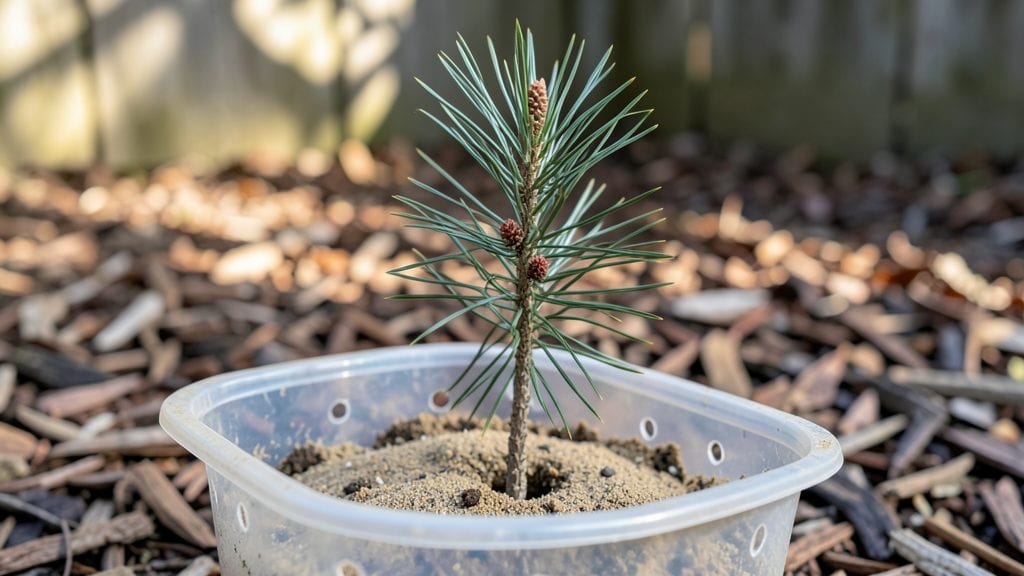
Caring for pine seedlings transforms a tiny seed into a towering evergreen with just a few simple routines. 🌱 I’ve nurtured white pines, Scotch pines, and bristlecone seedlings—each one needs consistent moisture, bright light, and patience to develop strong roots before transplanting.
The key is avoiding common mistakes like overwatering or letting them dry out, which can stunt growth for years.
Start with well-draining soil mixed with sand or perlite to prevent root rot, and place seedlings in a spot with at least 6 hours of direct sunlight daily.
Young pines hate soggy roots but also won’t tolerate drought—think of them like a fussy toddler who needs just the right amount of attention. A 4-6 inch layer of mulch keeps moisture steady while protecting tender stems from temperature swings.
By their second year, you’ll see real progress: thicker needles, sturdier stems, and the first signs of that classic pine shape. Prune only to remove dead branches, and watch for spider mites or pine beetles—early intervention with neem oil keeps them at bay.
The payoff? A sapling that’ll outlive you, with minimal effort after the first few years.
This works for container-grown pines too—just use larger pots as they grow. Whether you’re growing a 5-foot white pine or a 10-foot bristlecone, the same principles apply. Let’s get those seedlings thriving!
📚 In This Guide
- What you need
- Instructions
- Tips and common mistakes
- Wrapping up and next steps
What you need
- ● Pine seeds – Collect fresh, viable seeds from mature pine cones (or purchase from a nursery). Aim for at least 10-20 seeds for better success rates.
- ● Seed-starting mix – A lightweight, well-draining blend (e.g., 50% peat moss, 30% perlite, 20% vermiculite). Avoid garden soil—it’s too dense!
- ● Small pots or trays – Use biodegradable peat pots (3-4 inches wide) or plastic cell trays with drainage holes. 10-20 pots will cover most seedlings.
- ● Grow lights or sunny windowsill – Pine seedlings need 6-8 hours of direct sunlight daily. A full-spectrum LED grow light (12-16 hours/day) works indoors.
- ● Misting spray bottle – Keeps soil consistently moist without drowning seeds.
- ○ Fertilizer (optional but helpful) – A balanced, water-soluble fertilizer (5-5-5 or 10-10-10) at half-strength after sprouts emerge.
- ● Small hand trowel – For gently transplanting seedlings later.
- ○ Glove (optional) – Protects hands from pine resin if handling cones.
- ○ pH testing kit (optional) – Ensures soil pH is acidic (4.5-6.0), ideal for pines.
- ○ Thermometer (optional) – Monitors soil temp (60-70°F is perfect for germination).
- ● Patience – Pine seeds can take 2-6 weeks (or longer!) to sprout.
- ● Consistency – Avoid overwatering (root rot is a silent killer!).
- ● Space planning – Pines grow tall! Ensure your outdoor spot has at least 6+ feet of vertical clearance for mature trees.
Step-by-step instructions for pine seedling care
Here’s how to nurture your pine seedlings into sturdy saplings without stress or guesswork.
🌱 Step 1: Prepare the Growing Environment
Pines thrive in well-draining, acidic soil with 60-70% humidity—mimic their natural forest floor by mixing 2 parts peat moss with 1 part perlite and 1 part coarse sand. Fill your 4-inch pots (one per seedling) with this blend, leaving ½ inch of space at the top to avoid overflow during watering.
Place the pots in a shaded area under 50% shade cloth or on a north-facing windowsill. Pines hate direct sun as seedlings—it scorches their delicate needles. Use a soil thermometer to confirm temperatures stay between 65-75°F; cooler roots grow stronger and resist disease.
💧 Step 2: Water Gently and Maintain Moisture
Water your seedlings twice weekly using a spray bottle to avoid displacing the soil. The top ½ inch should feel damp but never soggy—pines rot quickly in waterlogged conditions. I check moisture by pressing my finger into the soil; if it’s dry at ½ inch deep, it’s time to water again.
After watering, empty any excess from the saucer within 10 minutes to prevent root suffocation. Overwatering is the #1 killer of pine seedlings—watch for yellowing needles, a clear sign of root stress. If this happens, reduce watering and improve drainage immediately.
☀️ Step 3: Gradually Introduce Light and Airflow
After 4-6 weeks, when seedlings show 3-4 inches of new growth, move them to a semi-shaded spot with 4-6 hours of morning sun. Direct afternoon sun will still burn tender needles, so I use a lightweight shade cloth to filter intensity. Rotate pots quarter-turn weekly to prevent lopsided growth toward the light.
Improve airflow by spacing seedlings 6 inches apart once they outgrow their pots. Good circulation strengthens stems and reduces fungal risks. You’ll notice healthier, glossier needles within 2 weeks—that’s your reward for patience.
✂️ Step 4: Fertilize and Prune for Strong Growth
At 3 months old, when roots fill the pot, switch to a balanced 10-10-10 fertilizer diluted to ½ strength. Apply every 6 weeks during the growing season (spring-fall). Pines are slow growers—never rush fertilization, or you’ll burn delicate root systems. Always water 24 hours before and after applying fertilizer.
Prune only to remove dead or crossing branches using sterilized scissors. Never trim healthy tips—pines rely on their leaders (top growth) for upward momentum. If a seedling grows too leggy, bury the pot ½ inch deeper to encourage root development and stability.
🪴 Step 5: Transplant to Larger Containers
When seedlings reach 12 inches tall (usually 9-12 months), transplant into 1-gallon pots with fresh soil mix. Water deeply 24 hours before moving to reduce shock. Handle seedlings by their base, not the needles, to avoid damage. After transplanting, place them in partial shade for 1 week to recover.
Pines hate root disturbance, so use the slip-and-slide method: Gently squeeze the sides of the pot to loosen the root ball, then slide the seedling out intact. Space new pots 8 inches apart for airflow. You’ll see new needle clusters within 4-6 weeks—proof your seedlings are thriving.
Tips & tricks for perfect pine seedling care
Mastering pine seedling care means paying attention to details that make all the difference between thriving saplings and struggling seedlings. Here's what I've learned to ensure your young pines grow strong and healthy.
Soil Mix Precision: The 2:1:1 ratio of peat moss to perlite to sand is non-negotiable for proper drainage. I've found that adding a handful of horticultural charcoal to each pot helps prevent fungal issues by keeping the soil environment clean. This extra step creates a more stable growing medium that mimics forest floor conditions perfectly.
Temperature Watch: Maintaining that 65-75°F range is critical, but don't let your seedlings sit in hotter conditions just because your thermometer shows 75°F. Check the actual soil temperature with your thermometer—it can be 10°F cooler at root level than air temperature. Cooler roots actually develop stronger resistance to disease.
Watering Technique: The twice-weekly schedule works best when you combine it with the finger test at ½ inch deep. I've found that watering in the morning gives seedlings the moisture they need for the day while preventing fungal growth that can occur from evening watering. Always use room-temperature water to avoid shocking the roots.
Transplant Timing: When you reach the 9-12 month transplant window, don't rush it just because your seedlings hit 12 inches. Wait until you see new needle clusters forming—this indicates the root system is ready for the next growth phase. The slip-and-slide method works best when roots are actively growing, not dormant.
Pro Tips for Pine Seedling Care
- Mastering pine seedling care means paying attention to details that make all the difference between thriving saplings and struggling seedlings.
- Soil Mix Precision: The 2:1:1 ratio of peat moss to perlite to sand is non-negotiable for proper drainage.
- Temperature Watch: Maintaining that 65-75°F range is critical, but don't let your seedlings sit in hotter conditions just because your thermometer shows 75°F.
Frequently asked questions
Got questions about nurturing your pine seedling? You’re not alone! Here are some of the most common concerns—and their solutions—to keep your young tree thriving.
How often should I water my pine seedling?
Water your pine seedling deeply but infrequently—about once a week during dry spells (check soil moisture first!). Overwatering is riskier than underwatering, as pines hate soggy roots. Aim for 1–2 inches of water per week, adjusting for rain. Pro tip: Use a moisture meter or stick your finger 2 inches into the soil—if it’s dry, it’s time to water!
When will my pine seedling start growing needles?
Patience is key! Most pine seedlings take 6–12 months to sprout their first needles, depending on species and growing conditions. Spruce pines (like Pinus glabra) may show needles sooner, while longleaf pines can take longer. Ensure your seedling gets full sun (6+ hours/day) and well-draining soil—this speeds up the process.
What should I do if my pine seedling’s needles turn brown?
Brown needles usually signal overwatering, underwatering, or pests. First, check the soil: Too wet? Let it dry out; too dry? Water deeply. Inspect for spider mites or aphids (tiny webs or sticky residue). Treat with neem oil or insecticidal soap if needed. Pro tip: Brown tips on older needles are normal—focus on new growth!
Can I grow a pine seedling indoors?
Pine seedlings need sunlight and space, making indoor growth tricky—but possible with the right setup! Place them near a south-facing window or under grow lights (12–14 hours/day). Use a well-draining pot (like terracotta) and keep humidity high (try a humidity tray). Once they’re 1–2 feet tall, transplant outdoors. Warning: Avoid drafts or heat vents!
How do I transplant a pine seedling without killing it?
Timing and technique matter! Transplant in early spring or fall (avoid extreme heat/cold). Dig a hole twice as wide as the root ball but no deeper. Gently loosen roots if pot-bound, then water thoroughly before and after moving. Pro tip: Use a root stimulator or compost mix to reduce shock. Mulch lightly (2–3 inches) to retain moisture.
Wrapping up and next steps
Caring for pine seedlings is a rewarding journey that connects you to nature’s resilience—one tiny sprout at a time! 🌱 With the right balance of light, soil, water, and patience, you’ll watch your seedlings grow into sturdy saplings ready for transplantation.
Remember, consistency is key, and even small efforts yield big results over time.
Ready to take the next step? Start small: plant just a few seedlings this season, experiment with your local climate, and refine your approach. Soon, you’ll be sharing your green thumbs—and maybe even a few saplings—with fellow gardening enthusiasts. Happy growing!