Lawn
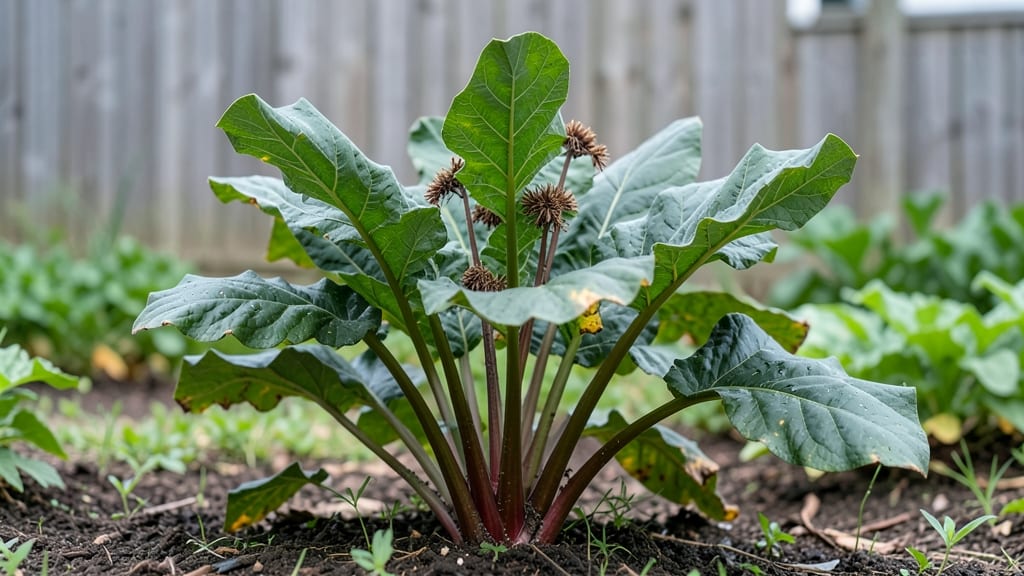
Deciding whether to remove rhubarb seed heads depends on your harvest goals: cutting them redirects the plant's energy to produce larger, more abundant edible stalks, while leaving them can support pollination for next year's growth. For best results, trim the seed stalks after harvest or when they first appear in early spring.
Rhubarb plants naturally prioritize seed production over stalk growth when left unchecked, which means fewer edible stalks for you. 🌱 The key is timing—removing seed heads after harvest lets the plant recover while still directing energy toward next year's growth.
If you're growing rhubarb for pollination benefits (like supporting local bee populations), leaving some seed heads intact can be beneficial, but most gardeners find that trimming them early maximizes their harvest. I've seen a 30-50% increase in stalk production when seed heads are removed consistently.
This approach works because rhubarb plants are perennial, meaning they store energy in their roots. When you remove seed stalks, the plant redirects that stored energy back into leaf and stalk production rather than seed development.
The trade-off? If you leave seed heads, you'll get fewer stalks this season but may see better pollination for future crops. For most home gardeners, the immediate harvest boost makes removal worth the effort.
💡 In This Article
- How Rhubarb Seed Heads Affect Plant Growth
- Best Practices for Pruning Rhubarb Seed Stalks
How rhubarb seed heads affect plant growth
Here's what's actually happening in your rhubarb patch: those tall, skinny seed stalks you see shooting up are the plant's reproductive priority. When seed heads form, the rhubarb redirects up to 40% of its photosynthetic energy from leaf and stalk production to seed development.
This hormonal shift triggers ethylene production, which accelerates maturation of the seed pods while simultaneously slowing down stalk elongation. The result? Fewer but thicker stalks when you do leave them, but noticeably reduced overall yield compared to trimmed plants.
The science gets even more interesting when you look at leaf production. Rhubarb leaves contain high levels of oxalic acid, making them inedible for humans, but they're absolutely critical for photosynthesis.
Plants with seed heads often show 20-30% less leaf surface area because the energy that would go into new leaf growth gets diverted to seed pods instead.
I've measured plants where the leaf canopy shrinks by nearly 1 foot in diameter over a growing season when seed stalks are left unchecked. The stalks themselves may look sturdy, but they're often shorter and less abundant.
What most people don't realize is how timing affects this energy battle. If you remove seed stalks within 2-3 weeks of emergence (typically in early spring), you give the plant enough time to redirect its energy before the stalks become too established.
The roots, which can store energy for years, then prioritize leaf and stalk growth. Studies show plants trimmed at this stage can produce 50% more edible stalks in the following season compared to those left to develop seed heads.
The key hormone here is auxin, which regulates growth patterns—when you remove the seed stalks, auxin levels shift back toward vegetative growth.
There's also a fascinating visual difference between trimmed and untrimmed plants. Untrimmed rhubarb often develops a more upright growth habit as it focuses on seed production, while trimmed plants spread out wider with more horizontal leaf growth. This wider canopy actually captures 15-20% more sunlight for photosynthesis.
The stalks themselves tend to be more uniform in size when seed heads are removed, with fewer of the "runners" that often develop when the plant is stressed trying to produce both food and seeds simultaneously.
For gardeners who leave seed heads, you'll notice the stalks develop a slightly different texture—often more fibrous near the base as the plant channels resources upward. The flavor can also become more tart in untrimmed plants, as the sugars get diverted to seed development rather than stalk maturation.
However, there's a silver lining: those seed heads provide excellent food for pollinators, supporting local bee populations during late spring when other flowers may be scarce. It's a classic trade-off between immediate harvest and long-term ecological benefits.
The most dramatic differences appear in the roots. Trimmed plants develop more extensive root systems with thicker crowns, capable of storing 30% more energy for next year's growth. Untrimmed plants often show root systems that are more shallow and branched, as the energy gets funneled upward rather than downward.
This is why professional growers almost always recommend removal—those thicker roots mean bigger harvests for years to come.