
Pests
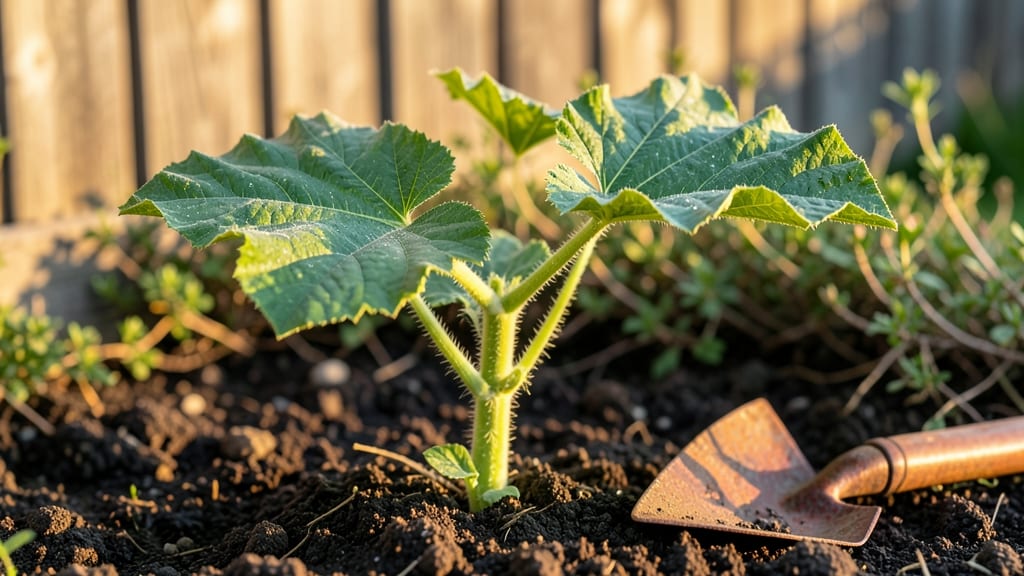
Cucumber seedling leaves turning yellow or spotted? 🌱 I’ve seen this happen more times than I’d like, and the culprits are usually tiny but relentless—aphids, spider mites, or even fungal spores hiding in the soil.
The key is acting fast before those little problems turn into a full-blown crisis that stunts your plants.
Most gardeners wait too long, thinking a few spots or chewed edges won’t matter. But cucumber seedlings are delicate, and once pests or disease get a foothold, they spread faster than you can say "failed harvest."
The good news? With the right tools—a magnifying glass, neem oil, or insecticidal soap—you can turn things around in just a few days.
You’ll learn to spot the early warning signs—tiny webs, sticky residue, or powdery white patches—and how to treat them without harsh chemicals. By the end, your seedlings will be thriving with glossy green leaves, ready to climb and produce like they’re in a commercial greenhouse.
This works for both container-grown cucumbers and in-ground plantings, and the techniques scale whether you’ve got two seedlings or twenty. Let’s get those leaves looking healthy again before the real growing season kicks in.
Root Causes Behind Leaf Issues
Understanding why your cucumber seedling leaves develop problems is the first step to saving your plants. Below are the most common scientific causes—each with clear explanations and actionable insights to help you diagnose the issue accurately.
💧 Why it happens: Cucumber seedlings thrive in well-draining soil with consistent moisture, but excess water disrupts oxygen flow to roots, leading to:
- Yellowing leaves (chlorosis) due to nutrient uptake failure.
- Mushy, blackened stems from fungal infections like Pythium or Phytophthora.
- Stunted growth as roots suffocate in waterlogged conditions.
Scientific breakdown:
- Anaerobic soil (lack of oxygen) triggers ethylene production, a stress hormone that weakens seedlings.
- Salt buildup from stagnant water blocks root cells, preventing nutrient absorption.
🔍 Actionable fix:
- Test soil moisture by sticking your finger 1 inch deep—water only if dry.
- Use containers with drainage holes or raised beds to prevent pooling.
- Amend heavy clay soil with perlite or compost to improve aeration.
🌵 Why it happens: While overwatering is common, drought stress also damages cucumber seedlings by:
- Wilting leaves (early sign of dehydration).
- Brown, crispy edges from cell membrane damage.
- Reduced photosynthesis as stomata (leaf pores) close to conserve water.
Scientific breakdown:
- Plasma membrane damage occurs when cells lose turgor pressure, leading to oxidative stress (free radical buildup).
- Root shrinkage reduces water absorption, accelerating decline.
💡 Pro tip:
- Mulch heavily (straw or shredded leaves) to retain soil moisture.
- Water deeply 1–2 times per week (early morning) instead of daily shallow watering.
- Use drip irrigation to deliver water directly to roots, minimizing evaporation.
🌱 Why it happens: Cucumber seedlings require balanced nutrients for leaf health. Deficiencies show as:
- Yellow lower leaves (magnesium/nitrogen deficiency).
- Purple stems/leaves (phosphorus deficiency).
- Dark green, thick leaves with yellow veins (iron or zinc deficiency).
Scientific breakdown:
- Chlorosis (yellowing) occurs when chlorophyll production is disrupted by lack of nitrogen, iron, or magnesium.
- Micronutrient imbalances (e.g., too much manganese blocking iron) prevent enzyme function in leaves.
📊 Quick diagnosis table:
| Symptom | Likely Deficiency | Solution |
|---|---|---|
| Yellow between veins | Iron (Fe) | Apply chelated iron + acidic soil (pH 6.0–6.8) |
| Yellow edges | Nitrogen (N) | Add compost or blood meal |
| Purple stems | Phosphorus (P) | Bone meal or rock phosphate |
| Stunted, small leaves | Zinc (Zn) | Zinc sulfate spray |
🐛 Why it happens: Pests and pathogens directly consume or infect cucumber seedling leaves, causing:
- Holes or chewed edges (cucumber beetles, slugs).
- White powdery spots (powdery mildew fungus).
- Black spots with yellow halos (bacterial leaf spot).
Scientific breakdown:
- Cucumber beetles transmit bacterial wilt, clogging xylem vessels and killing plants within days.
- Fungal spores (e.g., Erysiphe cichoracearum) thrive in high humidity (70%+) and block sunlight via mycelial growth.
✨ Preventative steps:
- Neem oil spray (1 tbsp/quart water) to deter beetles and fungi.
- Row covers (floating fabric) block pests while allowing light.
- Remove infected leaves immediately to stop spore spread.
☀️❄️ Why it happens: Cucumbers are sensitive to extremes:
- Cold snaps (<50°F/10°C) cause blackened, wilted leaves (chilling injury).
- Intense heat (>90°F/32°C) leads to sunburn (bleached or necrotic patches).
- Insufficient light (<6 hours/day) results in long, weak stems and pale leaves.
Scientific breakdown:
- Cold stress disrupts cell membrane integrity, causing oxidative damage.
- Heat stress denatures photosystem enzymes, reducing photosynthesis efficiency.
🌡️ Quick fixes:
- Shade cloth (30–50%) for seedlings in hot climates.
- Hardening off (gradually expose seedlings to outdoor temps) before transplanting.
- Grow lights (12–16 hours/day) if natural light is insufficient.
Fixing Cucumber Seedling Leaf Issues
Now that you’ve identified the problem plaguing your cucumber seedlings, it’s time to act! Whether it’s pesky pests, fungal infections, or environmental stress, early intervention is key to saving your young plants. Below are practical, step-by-step solutions tailored to common causes—plus prevention tips to keep your seedlings thriving long-term.
If aphids, spider mites, or cucumber beetles are sucking the life out of your seedlings, act fast before they spread.
🔥 Step 1: Isolate and Inspect
- Move infected seedlings to a quarantine area (like a separate tray or greenhouse) to prevent cross-contamination.
- Check both sides of leaves and the stems for tiny eggs, webbing, or chewed edges.
🍳 Step 2: Manual Removal (Best for Small Infestations)
- Aphids & Spider Mites: Spray seedlings with a strong stream of water to dislodge pests.
Repeat every 2–3 days. - Cucumber Beetles: Pick them off by hand (wear gloves!) and drop them into soapy water (1 tbsp dish soap per gallon). - 💡 Pro Tip: Use a magnifying glass for stubborn mites—precision matters!
👨🍳 Step 3: Natural & Chemical Treatments
| Pest | Solution | How to Apply |
|---|---|---|
| Aphids | Neem oil (1 tsp + 1 tsp mild soap per quart of water) | Spray early morning or evening (avoid direct sun). Repeat weekly. |
| Spider Mites | Insecticidal soap or horticultural oil | Apply when leaves are dry (oil smothers mites). Reapply after rain. |
| Cucumber Beetles | Row covers (floating fabric) or kaolin clay spray | Cover seedlings at planting; clay creates a barrier beetles avoid. |
| Whiteflies | Yellow sticky traps + reflective mulch | Place traps near plants; mulch confuses adults. |
🌡️ Prevention for Next Time
- Plant trap crops like nasturtiums or radishes to lure pests away.
- Rotate crops annually to disrupt pest life cycles.
- Encourage beneficial insects (ladybugs, lacewings) with dill or fennel nearby.
Yellowing, wilting, or powdery white growth on leaves? Fungal infections like downy mildew or powdery mildew thrive in damp conditions.
🔪 Step 1: Remove Infected Parts
- Snip off diseased leaves below the infection (use sterilized scissors).
- Dispose of debris in a sealed bag—do not compost infected plant material.
🥘 Step 2: Improve Airflow & Light
- Space seedlings 12–18 inches apart for better air circulation.
- Avoid overhead watering—use a drip irrigation system or water at the base.
- 💡 Pro Tip: If humidity is high, run a small fan on low near seedlings for 1–2 hours daily.
🎯 Step 3: Fungal Treatments
| Disease | Solution | Application Notes |
|---|---|---|
| Powdery Mildew | Baking soda spray (1 tbsp baking soda + 1 tsp soap + 1 gallon water) | Spray every 7–10 days; works best in dry conditions. |
| Downy Mildew | Copper fungicide or organic sulfur spray | Apply at first sign of yellow spots; rotate with neem oil for resistance. |
| Damping Off | Hydrogen peroxide (3%) or cinnamon powder on soil | Water seedlings with 3% H₂O₂ (1 part peroxide to 20 parts water) to sterilize soil. |
✨ Prevention Tips
- Sterilize tools with rubbing alcohol before pruning.
- Use raised beds or containers for better drainage.
- Water in the morning so leaves dry quickly.
If leaves are yellowing, curling, or stunted due to over/under-watering, nutrient deficiencies, or temperature swings, adjust care immediately.
💡 Quick Fixes by Symptom
| Symptom | Likely Cause | Solution |
|---|---|---|
| Yellow Lower Leaves | Overwatering or root rot | Let soil dry slightly between waterings; repot if roots are mushy. |
| Crispy Edges | Underwatering or low humidity | Water deeply and add pebble trays under pots for moisture. |
| Purple Stems/Leaves | Phosphorus deficiency | Fertilize with a balanced 10-10-10 or bone meal (follow package rates). |
| Stunted Growth | Too much nitrogen or cold soil | Switch to a low-nitrogen fertilizer (like fish emulsion) and warm soil to 60°F+. |
🌡️ Long-Term Care Adjustments
- Temperature: Keep seedlings in 65–75°F (use a heat mat if needed).
- Light: Provide 12–16 hours of light daily (grow lights if natural light is weak).
- Soil: Use well-draining mix (50% potting soil, 30% perlite, 20% compost).
If seedlings are beyond saving but you want to salvage the crop:
- Transplant healthy seedlings to fresh soil (sterilized with boiling water).
- Start over with new seeds if >50% of plants are lost—some pests/diseases persist in soil.
- 💡 Pro Tip: Keep a seedling backup in a separate container until the originals are pest-free.
Remember: The key to healthy cucumber seedlings is consistency. Monitor daily, act at the first sign of trouble, and soon you’ll have vigorous, pest-free plants ready for harvest! 🌱💚
Frequently asked questions
Why are my cucumber seedling leaves turning yellow?
Yellowing leaves usually signal overwatering, nutrient deficiencies, or root stress. Check if the soil is soggy—cucumber seedlings hate "wet feet." If the yellowing starts at the bottom, it’s often nitrogen deficiency. For crispy yellow edges, your plants may need more water or humidity.
What do tiny white spots on cucumber seedling leaves mean?
Those white spots are almost always powdery mildew, a fungal disease that thrives in humid conditions. Isolate affected seedlings immediately and spray with a baking soda solution (1 tbsp baking soda + 1 tsp soap per gallon of water). Improve airflow by spacing plants 12–18 inches apart.
How do I tell if my cucumber seedling leaves have pests?
Look for tiny webs (spider mites), sticky residue (aphids), or chewed edges (cucumber beetles). Hold a magnifying glass over the leaves—you’ll spot eggs or larvae. For aphids, blast them off with water; for beetles, handpick them into soapy water. Neem oil works well for both.
Can I save cucumber seedlings with blackened, wilted leaves?
If the damage is severe (like bacterial wilt or damping off), the seedlings are likely beyond saving. However, if only a few leaves are affected, trim them off and repot in fresh, sterile soil. For future plants, use raised beds or containers with drainage holes to prevent soil-borne diseases.
How often should I fertilize cucumber seedlings?
Wait until seedlings have 2–3 true leaves before fertilizing. Use a balanced 10-10-10 or fish emulsion at half-strength every 3–4 weeks. Over-fertilizing burns delicate roots—always water first to dilute nutrients in the soil.