Pruning
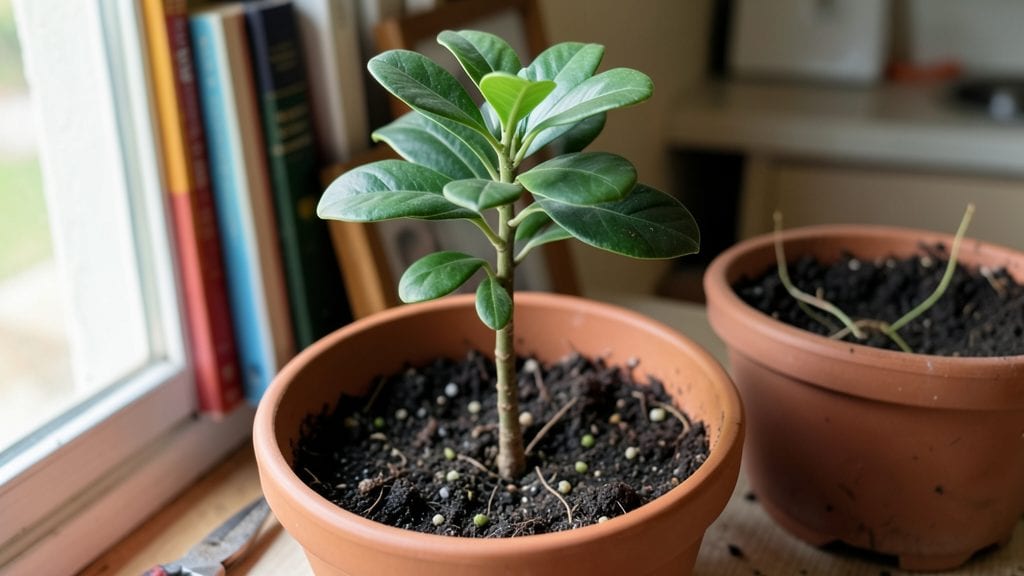
Pruning avocado seedlings isn't just trimming—it's the foundation for a strong, healthy tree that bears fruit for decades. I learned this the hard way when my first seedling grew lopsided branches that snapped in a storm.
The right cuts now mean a sturdy tree with thick stems and lush foliage that actually supports fruit later on.
You’ll need just three things: sharp bypass pruners, rubbing alcohol for sterilizing, and a clear day to see the branches. The goal is simple—remove weak growth early so the plant focuses energy on developing a thick, stable structure.
Most gardeners prune too little or too late, but avocado seedlings respond best when you start shaping them within their first year.
By the time your seedling hits 12 inches tall, you’ll have shaped it into a balanced pyramid with three main branches. Each cut should be clean, just above a leaf node where new growth will sprout.
The result? A tree that stands tall, resists wind damage, and grows faster than unpruned seedlings—something you’ll notice in just a few months.
This method works for container-grown seedlings too, so whether you’re growing in pots or the ground, the same principles apply. The key is patience—avocado trees grow slowly, but every careful cut now pays off when you’re harvesting fruit years later.
📚 In This Guide
- What you need
- Instructions
- Tips and common mistakes
- Wrapping up and next steps
What you need
- ● Pruning shears or bypass pruners: Choose sharp, sterilized shears (size 6–8 inches) for clean cuts on small branches (up to ½ inch thick).
- ● Garden gloves: Heavy-duty, cut-resistant gloves (e.g., mechanics’ gloves) to protect your hands from thorns and sap.
- ● Disinfectant (70% isopropyl alcohol or bleach solution): 1 part bleach to 9 parts water to sterilize tools between cuts and prevent disease.
- ○ Small hand saw (optional): For thicker stems (½ inch or larger), a folding pruning saw with fine teeth works best.
- ● Rubbing alcohol (70%+) or hydrogen peroxide (3%): To clean tools and wounds on the seedling immediately after pruning.
- ○ Pruning sealant (optional): A tree wound dressing (like Tanglefoot Tree Wound Pruning Sealer) for large cuts to reduce sap loss.
- ● Healthy seedling: Wait until your avocado seedling is at least 6–12 months old with multiple branches (3+ inches long) before pruning.
- ● Sunlight & timing: Prune on a bright, dry day (avoid rain for 24 hours before/after to prevent fungal issues).
- ● Water source: A spray bottle with water to hydrate the seedling post-pruning.
- ● Trash bag or bucket: For collecting clippings (compost them later!).
Step-by-Step guide to pruning avocado seedlings
Healthy growth starts with proper pruning—here’s how to shape your avocado seedling for strength and vigor.
Identify the Right Time to Prune
Prune your avocado seedling during its active growing season, typically in spring or early summer when new leaves are emerging. Avoid pruning in fall or winter, as the plant focuses on dormancy rather than recovery. You’ll know it’s the right time when you see fresh, green growth appearing at the tips of branches.
Never prune after a heavy rain or when the soil is waterlogged—this stresses the plant. Instead, wait until the soil feels slightly dry to the touch, about 1-2 inches down. This ensures the seedling can heal quickly without risking disease from excess moisture.
Use Clean, Sharp Pruning Tools
Grab your sterilized pruning shears or sharp scissors to make clean cuts. Dull tools crush stems, leaving jagged edges that invite pests and disease. Wipe the blades with rubbing alcohol before and after each cut to prevent contamination between branches.
For seedlings, you won’t need heavy-duty tools—small, precise cuts work best. Focus on removing only what’s necessary: dead, damaged, or crossing branches. Avoid cutting more than one-third of the plant’s foliage at once, as this can shock the seedling.
Remove Dead or Weak Growth
Start by inspecting the seedling for any branches that are brown, mushy, or without leaves. These are dead or dying and should be cut back to the nearest healthy growth point. Look for small buds or nodes where new leaves might emerge—this is where the plant will regenerate.
Next, trim any branches growing inward toward the center of the plant. These compete for sunlight and nutrients, weakening the seedling’s structure. Cut just above a leaf node at a 45-degree angle to encourage water runoff and prevent rot.
Shape for Airflow and Light Penetration
Step back and assess the seedling’s overall shape. Aim for an open, rounded form that allows sunlight to reach the inner branches. Remove any branches that are rubbing against each other or growing at sharp angles, as these can create wounds and stress points.
If the seedling has multiple upright stems, choose the strongest, most central one to keep and prune the others back to the main trunk. This encourages a single, sturdy leader that will support future fruit. Leave 3-4 strong branches evenly spaced around the trunk for balance.
Clean Up and Monitor Progress
After pruning, collect and dispose of all clippings—don’t leave them near the seedling, as they can harbor pests or disease. Wipe down the tools again with rubbing alcohol to ensure they’re clean for future use.
Water the seedling lightly after pruning to help it recover. Over the next 2-3 weeks, watch for new growth at the pruned areas. If you notice yellowing leaves or wilting, reduce watering slightly and ensure the seedling gets bright, indirect light for a few days to ease stress.
Tips & tricks for pruning avocado seedlings
Pruning your avocado seedling properly sets the foundation for a strong, healthy plant. Here's what I've learned from shaping my own seedlings over the years.
Timing is Everything: The spring or early summer timing in Step 1 is crucial because that's when your seedling has the energy to recover quickly. I've seen seedlings struggle when pruned in cooler months—they just don't bounce back the same way. Look for those fresh green growth tips as your signal to start, and you'll notice the plant responds much better to pruning when it's actively growing.
Tool Preparation Matters: I can't stress enough how important Step 2 is about sterilizing your tools. After pruning my first seedling with unsterilized shears, I noticed some branches developing black spots—turns out they were infected from the previous cuts. Always wipe down your tools with rubbing alcohol before and after each use, even if you're just moving between branches on the same plant. This simple step prevents so many potential problems.
Shape with Purpose: When shaping in Step 4, think about creating an open vase shape rather than a dense bush. I've seen seedlings develop weak, leggy growth when too many branches compete for light. Aim to leave those 3-4 strong branches spaced evenly around the trunk—this creates that perfect balance where sunlight reaches all parts of the plant while maintaining structural integrity.
Recovery Strategy: That 2-3 week monitoring period in Step 5 is your chance to intervene if something goes wrong. I always reduce watering slightly after pruning and move the seedling to bright, indirect light for a few days. This helps prevent stress-related issues while giving the plant time to focus on healing rather than dealing with environmental factors. Watch for those new growth points at the pruned areas—they're your sign that everything's working properly.
Pro Tips for Pruning An Avocado Seedling
- Pruning your avocado seedling properly sets the foundation for a strong, healthy plant.
- Timing is Everything: The spring or early summer timing in Step 1 is crucial because that's when your seedling has the energy to recover quickly.
- Tool Preparation Matters: I can't stress enough how important Step 2 is about sterilizing your tools.
Frequently asked questions
Got questions about pruning your avocado seedling? You’re not alone! Here are some of the most common concerns—plus straightforward answers to help you grow a thriving tree.
When is the best time to prune an avocado seedling?
The ideal time to prune is during the dormant season (late winter or early spring) or after the first flush of new growth in early summer. Avoid heavy pruning in extreme heat or cold—your seedling will thank you with faster recovery! For young seedlings, light shaping can happen year-round, but never remove more than 25% of the foliage at once.
How much should I trim off a young avocado seedling?
Start with 10-20% of the plant’s height or volume for the first pruning. Focus on removing dead, crossing, or weak branches to encourage airflow and sunlight penetration. Think of it like a haircut—small adjustments now prevent overgrowth later. If you’re unsure, err on the side of less and prune more gradually.
What if I prune too much? Will my avocado seedling die?
Over-pruning can stress your seedling, but it’s unlikely to kill it if you act quickly. Signs of stress include yellowing leaves, stunted growth, or wilting. To recover, reduce watering slightly, fertilize lightly with a balanced formula, and avoid pruning for at least 4-6 weeks. Most seedlings bounce back with proper care!
Do I need special tools to prune an avocado seedling?
Not necessarily! For small seedlings, clean, sharp scissors or pruning shears work great. Disinfect tools with rubbing alcohol between cuts to prevent disease. Avoid using your hands or dull tools—clean cuts heal faster and reduce the risk of infection. If you’re dealing with thicker branches later, invest in bypass pruners for precision.
Can I shape my avocado seedling without pruning?
Yes! If you prefer a non-invasive approach, try training branches by gently tying them to stakes or using plant ties to guide growth. This works well for dwarf varieties or if you’re aiming for a specific shape (like a standard tree). However, pruning is still key for removing suckers, deadwood, or crowded branches—so a little snipping goes a long way!
Wrapping up and next steps
Pruning your avocado seedling isn’t just about shaping—it’s about setting the stage for a thriving, fruit-bearing tree! 🌱 By following the right techniques, you’ll encourage strong branches, better air circulation, and even bigger harvests down the road. Remember, patience and consistency are key, so don’t rush the process.
Now that you’re armed with the know-how, roll up your sleeves and give your seedling some love. Start small, observe how it responds, and gradually refine your approach. Before you know it, you’ll be enjoying homegrown avocados—and bragging rights! 🥑✨