Pruning
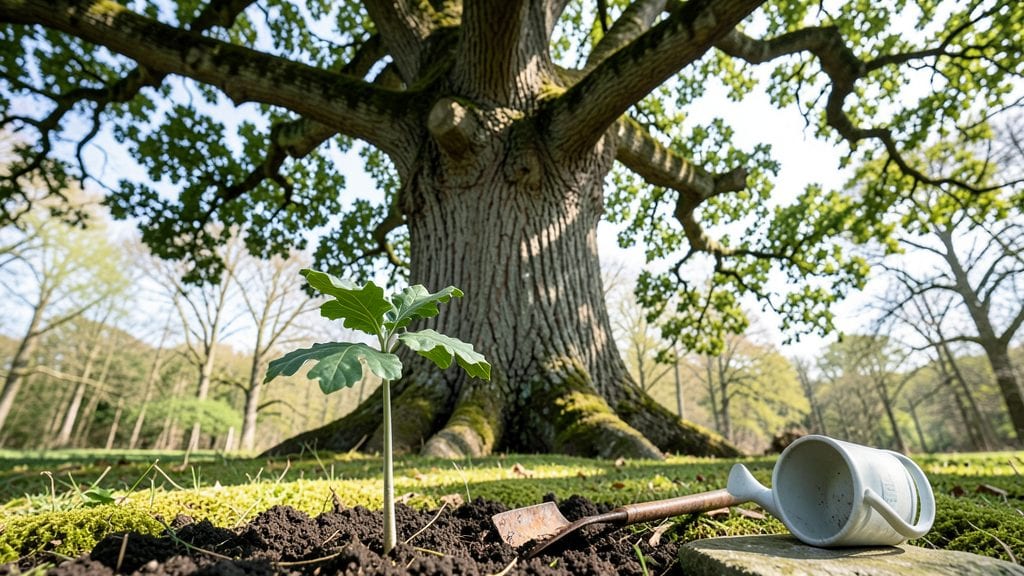
Turning a fragile seedling into a sturdy tree starts with the right cuts at the right time. 🌱 I learned the hard way that pruning isn’t just about trimming—it’s about shaping the tree’s future, from its first leaves to its strongest branches.
The key is understanding when to encourage growth and when to redirect it, whether you’re growing a fast apple tree or a slow oak.
You’ll need sharp pruners, a clear day, and a basic understanding of how trees grow—no fancy tools required. The real secret is timing: prune young trees in late winter to early spring, and mature trees after their peak blooming season.
This simple routine builds a tree that stands strong against storms, pests, and time.
By the end of the first year, your seedling will have a thick trunk and sturdy branches, ready to support fruit, flowers, or shade. The branches won’t just grow—they’ll grow right, with fewer weak spots and more energy for what matters.
You’ll see the difference in just a few seasons.
Works for fruit trees, shade trees, and even bonsai—just adjust the pruning style to the tree’s pace. Let’s get those branches growing the way nature intended.
📚 In This Guide
- What you need
- Instructions
- Tips and common mistakes
- Wrapping up and next steps
What you need
- ○ Hand pruners – Bypass pruners (sharp, 5-7" blades) for clean cuts on small branches (Anvil pruners (for thicker branches) are optional but handy.
- ● Loppers – Bypass-style (18-24" long) for branches ½"–1½" thick ($15–$30).
- ● Pruning saw – Curved-tooth for branches 1½"–3" thick ($10–$25).
- ● Gloves – Cut-resistant (leather or synthetic) to protect hands from thorns/splinters ($10–$20).
- ● Disinfectant (70% isopropyl alcohol or bleach solution) – 1 part bleach to 9 parts water to sterilize tools between cuts and prevent disease.
- ● Rubbing alcohol or hand sanitizer – For cleaning hands after pruning.
- ● Heavy-duty trash bags – 2–3 gallon-size for collecting pruned branches.
- ● Notebook & pen – To log pruning dates, branch notes, and tree growth progress.
- ● Pole pruners/saw – Extendable tools (10–30 ft) for high branches ($30–$80).
- ● Tree wound dressing – Pruning sealant (controversial but useful for large cuts >2" diameter).
- ● Ladder or step stool – Sturdy, non-slip (4–6 ft) for safe reach ($20–$50).
- ● Tree growth regulator – Hormone sprays (e.g., Apogee) to encourage denser branching (seasonal use).
- ● Camera or smartphone – To document progress before/after pruning.
Instructions for pruning young trees to build stronger branches
Here's the method I use to shape young trees and prevent weak, brittle limbs—tested on fruit trees, shade trees, and ornamental varieties alike.
🌱 Step 1: Identify and Remove Weak Growth Early
Start pruning when your tree is just a seedling with 3-4 sets of true leaves—this is when you shape its foundation. Look for water sprouts (fast-growing, vertical shoots) and crossing branches (limbs growing toward each other). These compete for energy and create weak attachment points. Use sharp pruning shears to cut these out at the base, just above a leaf node or outward-facing bud.
I always remove 1/3 of the weakest growth in the first round. This might feel aggressive, but it forces the tree to focus energy on stronger limbs. If you hesitate, the tree will grow leggy and develop a weak structure that's hard to fix later. Watch for new shoots emerging from the base—these are your tree's backup growth and should be pruned immediately if they're growing straight up.
✂️ Step 2: Establish a Central Leader and Open Canopy
By the time your tree reaches 3-4 feet tall, it should have a clear central leader (main upward-growing branch). If it doesn’t, select the strongest vertical shoot and remove competing leaders at their base. The central leader should be straight and dominant—if it’s leaning or weak, choose a secondary branch to promote instead.
Next, shape the scaffold branches (future main limbs) to grow 6-12 inches apart along the trunk. These should form a V-shape when viewed from above, with branches spreading outward. Prune any branches growing inward or downward—these will rub against each other or the trunk as the tree matures. Use clean cuts at a 45-degree angle just outside the branch collar (the swollen area where the branch meets the trunk).
☀️ Step 3: Thin Out Crowded Branches for Airflow
As your tree grows to 6-8 feet tall, focus on thinning rather than just cutting back. Remove every third branch along each scaffold limb to improve airflow and sunlight penetration. Look for dense clusters where branches grow too close together—these trap moisture and invite disease. Cut back to the nearest outward-facing bud or branch junction, but never leave a stub.
This is also when you check for co-dominant stems (two equally strong branches growing upward). These create weak forks that split under snow or wind load. If you see two branches growing parallel and close together, remove the smaller one at its base. The remaining branch will thicken and strengthen over time. You’ll notice healthier foliage and fewer broken limbs after a season of proper thinning.
⏰ Step 4: Annual Maintenance Pruning for Mature Structure
Once your tree reaches 8-10 feet, shift to light maintenance pruning in late winter or early spring before new growth begins. Remove dead, diseased, or damaged branches first—these are easy to spot as they lack leaves or have discolored bark. Cut these back to healthy wood, making sure your cut is just outside the branch collar.
Next, reduce overcrowding by removing branches that grow inward or downward. Aim to keep the tree’s canopy open with well-spaced limbs. For fruit trees, prune to improve light penetration to the center, which boosts fruit production. Always prune no more than 25% of the tree’s foliage in a single season—this prevents shock and encourages strong regrowth. You’ll see thicker branches and fewer weak limbs after consistent annual pruning.
Tips & tricks for pruning young trees to build stronger branches
Here's what I've learned after years of shaping young trees—these tricks prevent weak structures and create trees that last for decades.
Timing is Everything: Prune in late winter or early spring when the tree is just starting to show new growth but before leaves fully emerge. This timing ensures you're not cutting into next year's buds and gives the tree plenty of time to heal before summer heat. I avoid pruning in fall because it opens wounds that won't have time to heal before winter's harsh conditions.
The 1/3 Rule: When you first start pruning seedlings with 3-4 sets of leaves, remove only 1/3 of the weakest growth. This might seem drastic, but it's crucial for establishing strong structure early. The key is to cut back to outward-facing buds—they'll grow into stronger limbs. I've seen trees develop weak, sprawling habits when gardeners hesitate to make these initial cuts.
Branch Collar Matters: Always make clean cuts just outside the branch collar—the swollen area where the branch meets the trunk. This prevents damage to the tree's natural healing tissues. I've made the mistake of cutting too close to the trunk, which creates wounds that take much longer to heal and invite disease. Use sharp pruning shears and make cuts at a 45-degree angle for the cleanest results.
Visualize the V-Shape: As your tree grows to 3-4 feet, focus on creating a V-shaped canopy with scaffold branches spaced 6-12 inches apart. This open structure allows sunlight to reach all parts of the tree and improves airflow, which reduces disease risk. I like to sketch a simple diagram of how I want the branches to grow before I start pruning—it helps me visualize the end result.
Pro Tips for Seedling To Tree
- Here's what I've learned after years of shaping young trees—these tricks prevent weak structures and create trees that last for decades.
- Timing is Everything: Prune in late winter or early spring when the tree is just starting to show new growth but before leaves fully emerge.
- The 1/3 Rule: When you first start pruning seedlings with 3-4 sets of leaves, remove only 1/3 of the weakest growth.
Frequently asked questions
Got questions about nurturing seedlings into sturdy trees?
Here are answers to the most common ones—whether you're a first-time gardener or a seasoned pruner looking to refine your technique.
How often should I prune a young seedling to encourage strong branches?
For seedlings under one year old, prune lightly—just enough to remove dead or crossing branches. After the first year, prune twice annually: once in late winter (before buds swell) and again in early summer (after new growth appears). Over-pruning can stress young trees, so aim for no more than 25% of the foliage per session.
How long does it take for a pruned seedling to show noticeable growth improvements?
You’ll often see new shoots and thicker branches within 4–6 weeks of proper pruning, especially in fast-growing species like willows or fruit trees. For slower growers (e.g., oaks or maples), improvements may take a full growing season. Consistency is key—avoid heavy cuts in the same spots year after year.
What should I do if my seedling’s branches turn brown or wilt after pruning?
Brown or wilted branches usually signal stress from over-pruning or disease. If only a few branches are affected, trim them back to healthy green tissue. For widespread wilting, check for pests (like aphids) or fungal infections (e.g., powdery mildew). Apply a copper fungicide if needed and water at the base—not the leaves—to prevent further spread.
Can I use the same pruning techniques for indoor plants vs. outdoor trees?
No! Indoor plants (like bonsai or houseplants) need gentle shaping to encourage bushiness—pinch back tips to promote branching. Outdoor trees, however, require structural pruning to remove weak limbs and improve airflow. Always use sterilized tools and avoid heavy cuts on indoor plants, as they’re more vulnerable to shock.
Are there alternatives to traditional pruning for seedlings?
Yes! Try these low-maintenance methods:
- Thinning out: Remove entire branches at the base to redirect energy to stronger growth.
- Topping: Cut the main stem to encourage lateral branches (best for shrubs, not trees long-term).
- Natural pruning: Let dead or weak branches fall naturally—common in fruit trees like apples.
For seedlings, thinning out is often the safest alternative to traditional pruning.
Wrapping up and next steps
From your first careful snip to the year-round care that shapes your tree, you’ve unlocked the secrets to stronger, healthier branches! 🌿 Pruning isn’t just about trimming—it’s about nurturing growth, preventing disease, and crafting a tree that thrives for decades.
Whether you’re a beginner or a seasoned gardener, every cut brings you closer to a resilient, beautiful canopy.
Now’s your moment to take action! Grab those shears, schedule your next pruning session, and watch your seedling transform into a majestic tree. Ready for more? Explore our seasonal pruning calendar or join a local gardening group for hands-on tips!