
Aphids
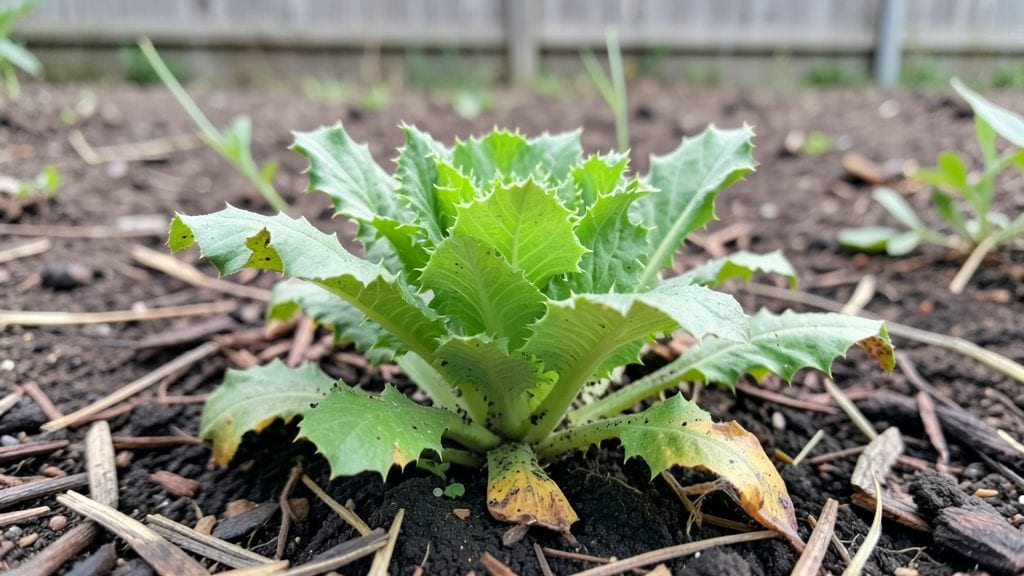
Prickly lettuce seedlings grow tougher than store-bought varieties—no aphids, no fuss. 🌱 I’ve battled aphid-infested lettuce for years, but these spiky-leafed seedlings thrive where others fail, and the secret starts with the right germination setup.
The key isn’t fancy equipment but matching light, moisture, and soil to what prickly lettuce actually wants.
Most people overwater or overcrowd seedlings, leading to leggy, weak plants. I learned the hard way—my first batch flopped when I ignored the 1-inch soil depth rule. Instead, keep seedlings in 2-inch pots with well-draining mix, and place them under grow lights 12 hours daily to prevent stretching.
Within 10 days, you’ll see sturdy, aphid-resistant sprouts ready for transplanting.
By the time they’re ready to move outdoors, your seedlings will be bold and bushy, not wimpy and wilting. The prickly edges deter pests naturally, so you’ll spend less time spraying and more time harvesting. Plus, they bolt slower than butterhead or romaine—meaning fresh greens through summer’s heat.
Works for containers, raised beds, or in-ground gardens—just avoid soggy soil. Here’s how to keep them thriving from seed to salad bowl without the usual headaches.
Root Causes Of Spiky Growth
Understanding why your seedlings develop prickly leaves is the first step to preventing it—and here’s the science behind the most common triggers.
Some lettuce varieties, especially heirloom or wild types, naturally produce thorns or prickles as a survival mechanism. This trait is often hardwired into their DNA as a defense against herbivores (like aphids, rabbits, or even deer).
- Why it happens: When aphids attack, plants release jasmonic acid, a stress hormone that triggers physical defenses—including spiky leaf edges—to deter further damage. - Actionable insight: If you’re growing wild or heirloom lettuce, expect prickliness.
Opt for smooth-leafed varieties (like Buttercrunch or Romaine) if texture is a concern.
Aphids don’t just feed on your seedlings—they stress the plant chemically, forcing it to shift energy from growth to defense mechanisms. Studies show that aphid saliva contains elicitors that activate the plant’s systemic acquired resistance (SAR), leading to thicker cell walls and prickles.
- Why it happens:
- Aphids inject enzymes that disrupt normal growth hormones (like auxins).
- The plant responds by overproducing lignin (a woody polymer) in leaf margins, creating sharp edges.
- Actionable insight:
- Isolate infested seedlings immediately to prevent spread.
- Use neem oil or insecticidal soap (aphids hate the azadirachtin compound in neem).
- Ladybugs and lacewings are natural predators—encourage them with dill or fennel nearby.
Lettuce seedlings are cool-season crops, and sudden shifts in temperature or light can throw their development off balance. Extreme heat (above 85°F/29°C) or intense direct sunlight forces plants to bolt prematurely, leading to hard, prickly growth instead of tender leaves.
- Why it happens:
- Heat stress reduces chlorophyll production, making leaves tougher.
- Low light causes etiolation (stretched, weak stems) that compensates with spiky edges for structural support.
- Actionable insight:
- Provide shade cloth (30-50% block) if growing in hot climates.
- Extend daylight with grow lights (12-14 hours) if natural light is insufficient.
- Hardening off seedlings gradually prevents shock when transitioning outdoors.
Overwatering or poor drainage leads to root suffocation, while underwatering causes osmotic stress. Both scenarios force lettuce to conserve energy by producing thicker, pricklier leaves as a water-saving adaptation.
- Why it happens: - Overwatering → Fungal stress (like Pythium) triggers lignin production in leaves. - Underwatering → Abscisic acid (ABA) buildup hardens leaf edges to reduce water loss. - Actionable insight: - Test soil moisture—stick your finger 1 inch deep.
Water only if dry. - Use well-draining soil (mix in perlite or vermiculite). - Fertilize lightly with fish emulsion or compost tea—too much nitrogen can also promote toughness.
While balanced fertilization supports growth, excessive synthetic fertilizers (especially high-nitrogen or phosphorus) can overstimulate defense responses, leading to prickly, leathery leaves.
- Why it happens:
- High phosphorus → Triggers secondary metabolite production (like phenols), which harden leaf surfaces.
- Synthetic salts → Disrupt calcium uptake, weakening cell walls and prompting lignification as a repair mechanism.
- Actionable insight:
- Switch to organic fertilizers (like worm castings or seaweed extract).
- Flush soil every 4-6 weeks to remove salt buildup.
- Avoid “fast-release” fertilizers—opt for slow-release granules instead.
Quick Fixes for Prickly Seedlings
If your prickly lettuce seedlings are struggling, don’t panic—most issues have simple, effective solutions. Below, we’ve mapped common problems to practical fixes, along with prevention tips to keep your seedlings thriving. 🌱💪
Cause: Seedlings competing for light, water, and nutrients. Fix: 🔥 Thin seedlings early – Use clean scissors or your fingers to snip or gently pull out weaker seedlings, leaving the strongest 2–3 inches apart. This prevents overcrowding before it starts. 🍳 Repot if needed – If seedlings are already too close, transplant them into larger pots or directly into the garden with proper spacing (12–18 inches apart for mature lettuce). 👨🍳 Boost light exposure – Place seedlings near a sunny window or under grow lights (12–16 hours/day) to encourage even growth.
Prevention: ✨ Start with the right spacing – Sow seeds in a shallow tray with rows spaced 1–2 inches apart, then thin as soon as they sprout. 🌡️ Use a seedling heat mat – Keeps roots warm and encourages faster, healthier growth before transplanting.
Cause: Tiny pests sucking sap, leaving seedlings weak and prickly. Fix: 🔪 Blast them off – Spray seedlings with a strong stream of water to dislodge aphids. Repeat every 2–3 days until gone. 🥘 Neem oil spray – Mix 1 tbsp neem oil + 1 tsp mild soap in 1 quart of water. Spray leaves thoroughly (avoid direct sun to prevent leaf burn). ⏰ Introduce beneficial insects – Ladybugs or lacewings devour aphids naturally. Release them in the evening when pests are active.
Prevention: 💡 Inspect new plants – Quarantine any new seedlings for 2–3 days before introducing them to your garden. 🎯 Use reflective mulch – Aluminum foil or silver mulch around seedlings confuses pests and deters them from landing.
Cause: Uneven moisture leads to weak, prickly stems or root rot. Fix: 🌧️ Water at the base – Use a watering can with a narrow spout to avoid wetting leaves (prevents fungal diseases). 📊 Check soil moisture – Stick your finger 1 inch deep; water if the soil feels dry. Lettuce prefers consistently moist (not soggy) soil. 💪 Improve drainage – If your container lacks drainage holes, add a layer of perlite or coarse sand to the bottom before repotting.
Prevention: 🔥 Use a moisture meter – These inexpensive tools tell you exactly when to water, preventing guesswork. 🥗 Mulch lightly – A thin layer of straw or coconut coir retains moisture and keeps roots cool.
Cause: Extreme temps cause seedlings to bolt (send up prickly stems) or wilt. Fix: 🏡 Move seedlings indoors – If night temps drop below 50°F (10°C), bring them inside near a sunny window or under grow lights. 🌡️ Use shade cloth – In hot climates, drape 30–50% shade cloth over seedlings to protect them from scorching. 🍎 Acclimate gradually – If hardening off, expose seedlings to outdoor conditions for 1–2 hours daily, increasing time over 7–10 days.
Prevention: ✨ Choose the right time – Plant prickly lettuce seedlings in early spring or late summer when temps are mild (55–75°F / 13–24°C). 🌱 Use row covers – Lightweight fabric shields seedlings from wind and sudden temp drops.
Pro Tip: Rotate seedlings quarter-turn daily to ensure even light exposure and prevent leggy, prickly growth! 🌿
Frequently asked questions about prickly lettuce seedlings
Why do my prickly lettuce seedlings have sharp edges?
Those prickles are a natural defense mechanism! Wild lettuce varieties develop them to deter pests like aphids and rabbits. The plant releases jasmonic acid when stressed, triggering thicker cell walls and spiky edges. It's actually a sign of toughness—not poor care.
Can I still eat prickly lettuce seedlings?
Yes, but you may want to remove the prickles first. The leaves are perfectly edible—just trim the sharp edges with scissors or soak in warm water for 5 minutes to soften them. Prickly varieties often have more robust flavors than smooth-leafed lettuces.
How do I prevent leggy, weak prickly lettuce seedlings?
Legginess happens from insufficient light. Place seedlings under grow lights 12-14 hours daily or near a south-facing window. Use 2-inch pots with well-draining soil and keep them 1 inch deep in the soil—deeper planting encourages stretching.
Are prickly lettuce seedlings more resistant to pests?
The spiky edges naturally repel many garden pests, including aphids and slugs. For extra protection, spray with neem oil weekly or introduce ladybugs—they love aphids but won't harm your prickly greens.
When should I transplant prickly lettuce seedlings outdoors?
Wait until nighttime temperatures stay above 50°F (10°C) and seedlings have 3-4 true leaves. Harden them off by gradually increasing outdoor exposure over 7-10 days. Plant in partial shade for the first week to prevent stress.