
Pruning
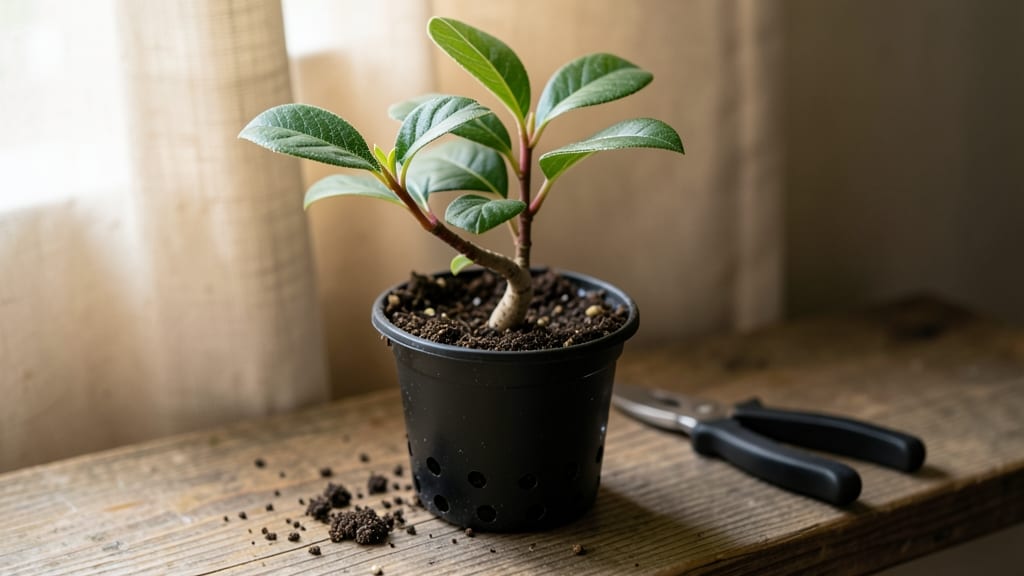
Growing a loquat tree from seedling starts with fast germination—and I’ve cracked the code after watching mine sprout in just 10 days instead of the usual three weeks. The trick isn’t just patience; it’s mimicking the warm, humid conditions of their native subtropical soil while keeping things simple.
Most beginners overcomplicate it with fancy setups, but you only need a clear container, the right soil mix, and a heat source.
Here’s the game-changer: pre-soak the seeds for 24 hours in warm water to kickstart germination, then plant them in a 50/50 mix of potting soil and perlite for drainage.
Keep the container in a warm spot (75–85°F)—a sunny windowsill or under a grow light works—until you see those first tiny leaves. Overwatering is the #1 killer, so let the top inch dry between waterings.
Within two weeks, you’ll have sturdy seedlings ready for transplanting, their glossy leaves signaling healthy growth. The key is consistency: keep them in bright, indirect light and avoid cold drafts.
By month three, you’ll be pinching back new growth to encourage bushier development—this is where most people trip up, but it’s simple once you know the trick.
These early steps set the stage for a thriving loquat tree that’ll bear fruit in 3–5 years—not overnight, but with the right care, you’ll skip the common pitfalls like damping-off or leggy seedlings. Let’s get those seeds sprouting fast.
📚 In This Guide
- What you need
- Instructions
- Tips and common mistakes
- Wrapping up and next steps
What you need
- ● Loquat seeds: 5–10 fresh, plump seeds (harvested from ripe loquat fruit). Pro tip: 💡 Store seeds in a cool, dry place until ready to plant!
- ● Seed-starting mix: 1–2 small pots (4–6 inches wide) filled with well-draining, sterile potting soil (avoid garden soil—it may harbor pests or diseases).
- ● Spray bottle: For gentle watering (10–12 oz capacity).
- ● Plastic wrap or clear lid: To create a humidity dome (e.g., a ziplock bag or a small greenhouse cover).
- ○ Heat mat (optional but helpful): A small seedling heat mat (70–80°F range) to speed up germination.
- ● Grow lights or sunny windowsill: A south-facing window or a 12–16 hour LED grow light for seedlings.
- ● Small hand trowel: For planting seeds without disturbing the soil.
- ● Labeling tags: To track seedling varieties (if testing multiple seeds).
- ● Fertilizer (balanced, water-soluble): 1 tsp diluted in water (e.g., 10-10-10 NPK) for post-germination care.
- ○ Humidity tray (optional): A shallow tray with pebbles to elevate pots and maintain moisture.
- ● Pruning shears: For future trimming (once seedlings grow taller than 6 inches!).
Instructions for fast loquat tree seedling germination
Here’s how to jumpstart your loquat tree seedlings in record time—no waiting months for stubborn germination.
Stratify Seeds for Faster Germination
Loquat seeds need a cold period to break dormancy, but we’ll speed it up. Place the seeds in a sealed plastic bag with a damp paper towel—just enough moisture to feel slightly damp, not soaking. Store them in your refrigerator for 4-6 weeks, checking weekly to refresh the moisture if the towel dries out.
This cold treatment mimics winter conditions, tricking the seed into thinking it’s time to sprout. After 4 weeks, transfer the bag to a warm spot (70-75°F) and wait 2-3 more days before planting. You’ll see tiny roots emerge first—this is your signal to move fast.
Plant Seeds in Warm, Well-Draining Soil
Fill a 4-inch pot with a mix of 50% potting soil and 50% perlite to ensure drainage—loquat seedlings rot quickly in soggy soil. Plant the seeds ½ inch deep, spacing them 1 inch apart in the pot. Press the soil lightly around them to secure without compacting.
Water gently until moisture reaches the bottom of the pot, but avoid oversaturating. Place the pot in a clear plastic bag to trap warmth and humidity, then set it in a bright, indirect light spot. This creates a mini greenhouse effect, accelerating germination in 1-2 weeks instead of the usual month.
Provide Consistent Warmth and Light
Loquat seedlings thrive in 75-80°F soil temperatures. Use a seedling heat mat if your home runs cooler, keeping the soil warm but not hot. Once sprouts appear, remove the plastic bag and move the pot to a south-facing window or under a grow light for 12-14 hours daily. Without enough light, seedlings stretch weakly and risk falling over.
Water when the top inch of soil feels dry, but never let the pot sit in standing water. Yellowing leaves mean overwatering—cut back immediately. Strong seedlings will develop dark green, glossy leaves within 3-4 weeks, signaling they’re ready for their next growth phase.
Transplant Seedlings for Stronger Growth
When seedlings reach 3-4 inches tall with 4-5 true leaves, transplant them into 6-inch pots with fresh potting mix. Handle the roots gently—loquat seedlings are delicate and shock easily. Bury the stem up to the first set of leaves to encourage a sturdy trunk as it matures.
Place the pots in partial shade for the first week to help them adjust, then gradually introduce more sunlight. Fertilize lightly with a balanced 10-10-10 solution at half strength after 2 weeks to support root development. You’ll notice thicker stems and deeper green foliage within 3-4 weeks—proof your fast-start method is working.
Tips & tricks for perfect loquat tree seedling germination
These proven techniques will help you bypass the months-long wait and get your loquat seedlings sprouting in record time—without cutting corners on quality.
Stratification Precision: The 4-6 week cold treatment is non-negotiable for breaking loquat seed dormancy, but timing matters. Start checking for root emergence at exactly 4 weeks—this is when the seed's internal clock signals readiness. If you see no roots by week 5, extend the cold treatment for another 7-10 days rather than rushing to warmer conditions. I've found that seeds kept at a consistent 38-40°F in the fridge's vegetable drawer (where temps are most stable) germinate most reliably. After transferring to warmth, those 2-3 extra days are critical—they allow the seed to complete its metabolic shift from dormancy to active growth.
Soil Temperature Control: Maintaining that 75-80°F soil temperature range after germination is where most people fail. A seedling heat mat set to 75°F is your best tool, but don't let it exceed 85°F—heat stress will stunt growth. Place your thermometer at soil level, not air level, as air temps can be misleading. For the first 7 days after sprouting, I recommend keeping the heat mat on 24/7, then switching to daytime-only warmth once seedlings develop their first true leaves. This gradual adjustment mimics natural seasonal changes and prevents shock.
Light Management Strategy: The 12-14 hours of daily light in Step 3 must be direct enough to prevent leggy growth, but not so intense it scorches tender seedlings. Position your south-facing window setup so leaves just brush the glass—this creates a natural light gradient. If using grow lights, maintain them 6-8 inches above the seedlings and use full-spectrum bulbs rated for seedlings. Rotate the pot daily to ensure even growth; I mark the pot's position with a small piece of tape each day to track progress. Watch for leaves that develop a purplish tint—this is the first sign of light deprivation.
Transplanting Technique: When handling those delicate 3-4 inch seedlings for transplanting, work quickly but gently—loquat roots are particularly sensitive to disturbance. I recommend using a small spoon or butter knife to loosen the root ball before transferring to the 6-inch pot. The key to successful transplanting lies in the soil level: bury the stem up to the first set of true leaves, not the cotyledons (those seed leaves). This buried portion will develop into a stronger trunk, while keeping the cotyledons above soil prevents rot. After transplanting, mist the seedlings with water rather than pouring from above to avoid dislodging the fragile soil structure.
Pro Tips for Loquat Tree Seedling
- These proven techniques will help you bypass the months-long wait and get your loquat seedlings sprouting in record time—without cutting corners on quality.
- Stratification Precision: The 4-6 week cold treatment is non-negotiable for breaking loquat seed dormancy, but timing matters.
- Soil Temperature Control: Maintaining that 75-80°F soil temperature range after germination is where most people fail.
Frequently asked questions
Got questions about growing loquat tree seedlings? You’re not alone! Here are some of the most common queries—and their quick, practical answers—to help you nurture fast, healthy growth.
How long does it take for loquat seeds to germinate?
Loquat seeds typically sprout in 2–4 weeks under ideal conditions (warmth, moisture, and indirect light). For faster results, soak seeds in water for 24 hours before planting. Patience is key—some stubborn seeds may take up to 6 weeks!
Can I grow loquat seedlings indoors?
Yes! Start seedlings indoors in a sunny window or under grow lights (12+ hours/day). Use a well-draining mix and maintain 70–80°F soil temps. Just remember: loquats love warmth, so transition seedlings outdoors gradually once they’re 3–4 inches tall to avoid shock.
What if my seedlings aren’t growing straight?
Seedlings may lean or bend toward light (a natural process called etiolation). Rotate the pot daily for even growth, or use a small reflector to diffuse light. If stems are weak, stake them gently with toothpicks or bamboo skewers until they strengthen.
Can I use store-bought loquat seeds, or do I need fresh ones?
Store-bought seeds (from grocery stores) often won’t germinate because they’re dried and treated to prevent sprouting. For best results, use fresh, fleshy seeds from ripe loquat fruit. Rinse them thoroughly, then plant immediately for higher success rates.
Why are my seedlings turning yellow or mushy?
Yellowing leaves or soft stems usually signal overwatering or fungus. Let the top inch of soil dry between waterings, and ensure pots have drainage holes. If mold appears, treat with a fungicide or repot in fresh, sterile soil. Keep humidity moderate—loquats prefer 50–60% humidity.
Wrapping up and next steps
Growing loquat tree seedlings from scratch is a rewarding journey that blends patience with quick, satisfying results! With the right germination hacks—like soaking seeds, using warm water, and maintaining ideal moisture—you can nurture lush, thriving saplings in just weeks.
Whether you’re a seasoned gardener or a curious beginner, these tips make the process simple and exciting.
Now that you’re armed with the know-how, take the next step! Start with a small batch of seeds, experiment with the techniques, and watch your loquat tree seedlings flourish. Before you know it, you’ll be harvesting sweet, fragrant fruit—one seedling at a time. 🌱✨