Picking
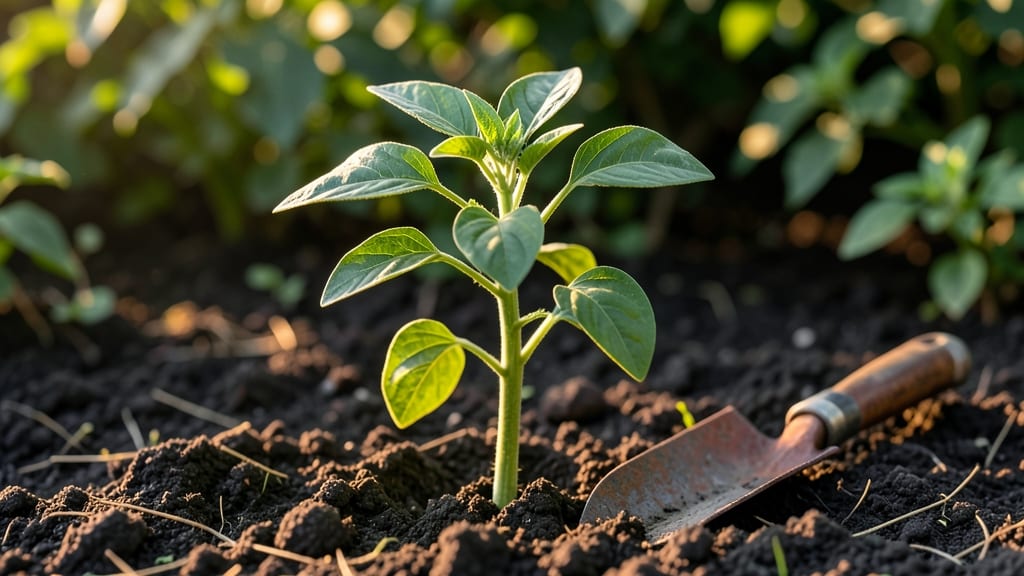
Mastering pepper seedling identification early can spare you the frustration of raising the wrong variety—like mistaking a jalapeño for a bell pepper until those first true leaves reveal all. by then, it’s too late to replant.
The key lies in those early leaf shapes, stem textures, and growth habits that reveal each pepper’s true identity before they even think about flowering.
Bell pepper seedlings, for example, sprout with broad, rounded leaves that almost look like tiny green umbrellas, while jalapeños start with narrower, serrated edges that resemble miniature oak leaves. Habaneros? Their first true leaves are even more delicate, almost lacy, with a waxy sheen that sets them apart.
The trick is to compare them side by side—once you spot the differences, you’ll never second-guess a seedling again.
Getting this right means you’ll plant the varieties you actually want to grow, whether that’s sweet bell peppers for salads or fiery habaneros for spicy salsas. No more surprises at harvest time, no more wasted space, and no more scrambling to find a new home for misidentified plants.
Proper identification also helps you adjust care—some peppers need more heat, others prefer cooler nights—and ensures you’re giving each plant exactly what it needs to thrive.
Even if you’re a beginner, this system works—just grab a magnifying glass and a notebook, and you’ll start recognizing patterns in minutes. The sooner you master these visual cues, the sooner your garden will be packed with the peppers you love, not the ones you didn’t even plant.
Let’s get those seedlings under the microscope!
What Triggers Misidentification
Accurately identifying pepper seedlings can be a challenge, even for seasoned gardeners. Missteps often stem from a mix of biological, environmental, and human factors. Understanding these causes helps you spot errors early and correct them before they impact your harvest.
Here’s why seedlings might look deceptive—and how to decode their true identity.
Many pepper varieties are hybrids, bred to combine desirable traits like disease resistance, flavor, or heat tolerance. When you plant hybrid seeds, their offspring may not resemble the parent plant. This genetic variability is intentional in commercial breeding but can throw off your identification efforts.
- Why it happens: Hybrid seeds (denoted by "F1" on packets) result from cross-pollination between two distinct parent varieties. Their seedlings inherit a mix of traits, leading to unpredictable leaf shapes, colors, or sizes. For example, a hybrid jalapeño might produce seedlings with serrated leaves like a cayenne or smooth edges like a bell pepper.
- Actionable fix:
- Stick to heirloom or open-pollinated seeds if you want consistent traits. These retain true-to-type characteristics.
- Label seedlings with the parent variety name and monitor their development closely. Take photos weekly to track changes.
- Use a pepper seedling identification chart as a reference, but note that hybrids may fall outside standard patterns.
Stress from temperature fluctuations, light exposure, or nutrient deficiencies can alter a seedling’s appearance, making it resemble a different variety. For instance, stunted growth or curled leaves might trick you into thinking a habanero seedling is actually a mild bell pepper.
| Stress Factor | How It Affects Leaves | Real Pepper Traits It Mimics |
|---|---|---|
| Cold temperatures (<50°F) | Purple or yellow discoloration, slow growth, thickened stems | Immature heirloom varieties (e.g., early-stage purple bell peppers) |
| Overcrowding | Small, dark green leaves; elongated stems | Leggy seedlings of slow-growing varieties like Pepper ‘Black Pearl’ |
| Nitrogen deficiency | Pale yellow leaves, stunted growth | Seedlings of Pepper ‘Shishito’ (which naturally have lighter green leaves) |
Actionable fix: Maintain optimal growing conditions:
- Keep seedlings in a warm, sunny spot (70–85°F during the day, 60°F at night). Use a heat mat if needed.
- Thin seedlings to 12–18 inches apart to prevent competition for nutrients.
- Fertilize with a balanced, water-soluble fertilizer (e.g., 10-10-10) every 2–3 weeks once true leaves appear.
- 💡 Pro Tip: If leaves turn purple, it’s often a calcium deficiency. Apply crushed eggshells or a calcium supplement like Cal-Mag.
Peppers are self-pollinating, but wind, bees, or even accidental human interference can transfer pollen between plants. This creates unexpected hybrids in your garden, especially if you’re growing multiple varieties nearby.
- Why it happens: Open-pollinated peppers (like Pepper ‘Carolina Reaper’) can cross with others, producing seedlings with mixed traits. For example, a cross between a sweet banana pepper and a spicy cayenne might yield seedlings with partial heat and partial sweetness.
- Actionable fix:
- Isolate varieties by at least 50 feet or use pollination barriers like mesh bags.
- Hand-pollinate if you’re breeding specific crosses (use a small paintbrush to transfer pollen).
- 🎯 Watch for: Seedlings with traits from both parents, such as serrated leaves on a normally smooth variety.
The most common reason for misidentification? Good old-fashioned oversight. Skipping labels, misreading seed packets, or rushing the identification process can lead to confusion—especially when seedlings look similar in their early stages.
- Common mistakes:
- Assuming all seedlings are the same until they flower (but leaf patterns often differ earlier).
- Ignoring seed packet instructions (e.g., some varieties need stratification or specific soil pH).
- Mixing up heirloom and hybrid seeds (hybrids are often labeled "F1" or "hybrid").
- Actionable fix:
- Label every seedling with the variety name and date planted. Use toothpicks and masking tape for a low-cost solution.
- Take reference photos of mature plants from trusted sources (e.g., Pepper Scale) and compare.
- 🔥 Step-by-step tip:
- Wait until seedlings have 2–3 true leaves (not cotyledons—the first tiny leaves).
- Examine leaf shape, serration, and color under good light.
- Check for stem hairiness (e.g., Pepper ‘Ají Charapita’ has fuzzy stems).
- Cross-reference with a pepper leaf identification guide.
By recognizing these common culprits, you’ll sharpen your ability to distinguish between genuine variety traits and red herrings. Next, we’ll dive into how to accurately match seedlings to their varieties using leaf patterns as your guide.
Quick Fixes for Common Seedling Struggles
When your pepper seedlings show signs of distress—or even if they just aren’t thriving as expected—acting fast can make all the difference. Below, we’ve mapped out practical, step-by-step solutions for the most common issues, along with prevention tips to keep your seedlings healthy from start to finish.
Think of this as your troubleshooting cheat sheet!
Cause: Seedlings competing for light, nutrients, or space. Fix:
- 🔥 Thin Them Out: Use clean scissors to snip seedlings at soil level, leaving only the strongest 2–3 inches apart. Avoid pulling—the roots can tear.
- 🍳 Upgrade the Pot: Transplant into individual 4-inch pots with well-draining soil mix (60% peat/coir, 30% perlite, 10% compost).
- 🌡️ Boost Light: Move seedlings under 12–16 hours of grow lights (LED or fluorescent) 6 inches above the foliage. Rotate pots daily for even growth.
Prevention: ✨ Start small: Sow seeds in biodegradable peat pots or seedling trays with 1-inch spacing to avoid early crowding. ✨ Monitor growth: If seedlings touch, act within 3–5 days—stunting becomes permanent after that.
Cause: Overwatering, underwatering, or nutrient deficiencies. Fix:
- 💧 Check the Soil: Stick your finger 1 inch deep—if damp, hold off on watering. If dry, water slowly at the base until it drains from the bottom.
- 🌡️ Adjust Humidity: Group seedlings on a humidity tray (pebble tray with water) or use a plastic dome (remove daily for airflow).
- 📊 Nutrient Boost: If leaves are pale yellow, dilute half-strength fish emulsion (5-5-5) or a balanced fertilizer (10-10-10) and water lightly.
Prevention: 💡 Water wisely: Use a spray bottle for misting (avoid soggy soil) or a self-watering mat to maintain consistency. 💡 Drainage is key: Ensure pots have drainage holes and use a mix that dries slightly between waterings.
Cause: Weak seedlings attract pests, and damp conditions encourage fungal growth. Fix:
- 🔪 Isolate Infested Plants: Move affected seedlings away from healthy ones to prevent spread.
- 🍳 DIY Spray: Mix 1 tsp neem oil + 1 tsp dish soap + 1 quart water, spray undersides of leaves, and repeat every 3–4 days.
- 🌡️ Trap Fungus Gnats: Fill a small container with apple cider vinegar + a drop of dish soap, cover with plastic wrap (poke holes), and place near seedlings.
Prevention: ✨ Inspect new soil: Sterilize soil mixes by baking at 200°F for 30 minutes or use hydrogen peroxide (3%) to kill fungus gnat eggs. ✨ Encourage beneficial insects: Release ladybugs or lacewings (available online) to prey on pests naturally.
Cause: Lack of light or over-fertilization (too much nitrogen). Fix:
- 🌿 Bury Deeper: Gently push half the stem into the soil to encourage root growth along the buried section.
- 🍳 Reduce Fertilizer: Switch to a low-nitrogen fertilizer (5-10-10) or flush soil with water to remove excess salts.
- 🔥 Optimize Light: Move seedlings closer to the light source (but not touching) and add a reflective surface (aluminum foil) to bounce light.
Prevention: 🎯 Start strong: Use grow lights from day one—natural light alone often isn’t enough for seedlings. 🎯 Fertilize lightly: Wait until seedlings have 2–3 true leaves before introducing nutrients.
Cause: Excess moisture and poor airflow. Fix:
- 🔪 Remove Affected Seedlings: Cut at soil level to prevent spores from spreading.
- 🌡️ Improve Airflow: Space seedlings 3+ inches apart and use a small fan (on low) for 1–2 hours daily to strengthen stems.
- 🍳 Fungicide Treatment: Spray with 1 tbsp baking soda + 1 quart water + a drop of soap or use copper fungicide per label.
Prevention: ✨ Sterilize tools: Wipe scissors with rubbing alcohol between cuts. ✨ Avoid overhead watering: Water at the base only and never let seedlings sit in saucers of water.
Rotate and Observe Daily – Turn pots quarter-turn daily for even growth, and check for pests/color changes morning and evening. Early action is your best tool!
Remember: Pepper seedlings are resilient—with the right care, they’ll bounce back faster than you think. 🌱✨ Now go give those babies the TLC they deserve!
Frequently asked questions
How soon can I reliably identify pepper seedlings after germination?
Wait until seedlings have 2–3 true leaves (not the first tiny cotyledons) to begin identification. This typically happens 10–14 days after germination, depending on variety and growing conditions. Early leaf shape, serration, and stem texture are most reliable at this stage.
What’s the easiest way to tell bell peppers apart from hot peppers at the seedling stage?
Bell pepper seedlings usually have broad, rounded leaves with smooth edges, resembling tiny green umbrellas. Hot peppers like jalapeños or habaneros often show narrower, serrated leaves resembling miniature oak leaves. Check the leaf edges under good light—this is the fastest way to spot the difference.
Can I use a magnifying glass to help identify pepper seedlings?
A 10x–20x magnifying glass helps examine fine details like leaf serration, stem hairiness, and vein patterns that distinguish varieties. Focus on the first true leaves and compare them to reference photos or a pepper seedling chart. This method works especially well for distinguishing subtle differences between similar varieties.
What should I do if my pepper seedlings look identical but I planted different varieties?
This likely means you’re dealing with hybrid seedlings or early-stage confusion. Label each seedling immediately with the parent variety name and monitor their development weekly. Take photos to track changes—leaf shape, growth rate, and flowering patterns will eventually reveal their true identity. If unsure, transplant a few and wait for flowers or fruit to confirm.