Trees
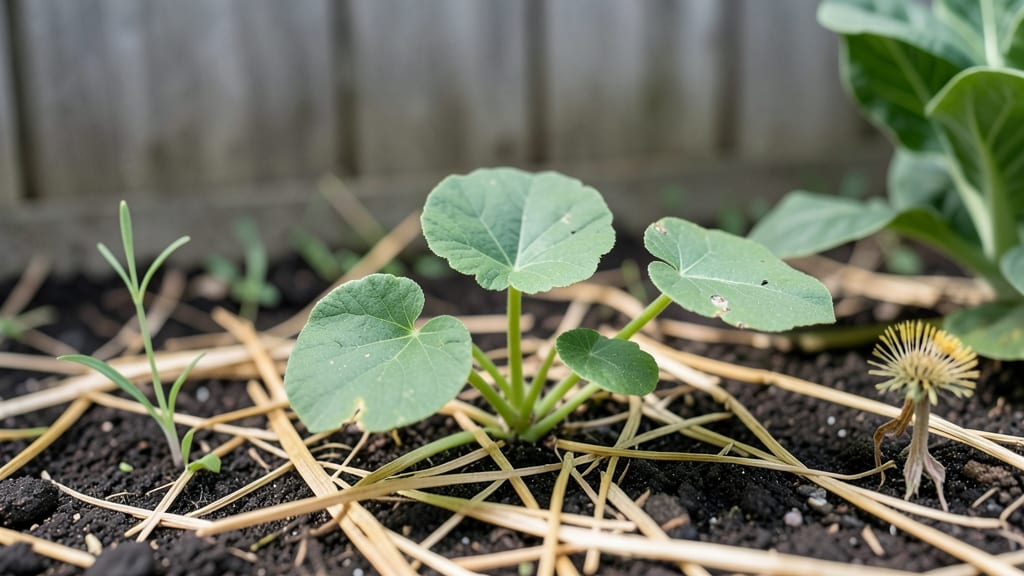
Mastering nasturtium seedling identification early saves you from weeding wars—those first leaves are unmistakable once you spot the key clues. 🌱 I’ve spent too many springs yanking out what turned out to be my future edible flowers, and I learned the hard way that nasturtiums start with round, almost shield-shaped leaves that look like tiny green coins stacked along a wiry stem.
The real giveaway is how they grow: seedlings sprout in tight clusters, with leaves emerging directly from the soil in a rosette pattern, not along a single stem like many weeds.
True nasturtiums also have a faint peppery scent when crushed, though you’ll need to pinch a leaf to notice—something I only discovered after my first batch of seedlings got too big to transplant.
Compare that to weeds, which often have jagged edges or hairy stems, and you’ll spot the difference instantly.
By the time they’re just a few inches tall, you’ll see the classic nasturtium traits emerging: those signature round leaves paired with a slightly fuzzy stem that feels almost velvety to the touch.
These early plants grow fast—within weeks, you’ll have bushy mounds of foliage that’ll soon burst into bright orange or yellow blooms, but only if you don’t mistake them for crabgrass first.
Here’s the secret: if your seedlings have smooth, lobed leaves and grow in a sprawling habit, they’re probably not nasturtiums.
But if those first leaves are round, clustered, and smell faintly of pepper, you’ve got the real deal—just give them space to spread and watch them transform your garden into a edible, colorful showstopper.
📚 In This Guide
- What you need
- Instructions
- Tips and common mistakes
- Wrapping up and next steps
What you need
- ● Nasturtium seedlings: 3–10 young plants (varies by experiment scale). Look for Tropaeolum majus (common nasturtium) or Tropaeolum nanum (dwarf nasturtium) for best results.
- ○ Magnifying glass: 10x–20x magnification (for close-up leaf/stem inspection). Optional but helpful for spotting fine details like glandular hairs.
- ● Ruler or measuring tape: 6-inch minimum (to measure leaf shape, petiole length, and stem diameter).
- ● Notebook + pencil: For recording observations (leaf shape, color, stem texture, and growth stage). Digital alternative: Smartphone with a note-taking app.
- ○ Camera (optional): Smartphone with macro mode or a 5MP+ dedicated camera for high-res images of key features.
- ○ Gloves (optional): Nitrile or latex-free gloves (if handling seedlings in damp or outdoor conditions to avoid skin irritation).
- ● Basic botany knowledge: Familiarity with terms like pinnate, palmate, glandular, and succulent (quick Google search helps!).
- ● Sunlight access: A bright, indirect-light workspace (natural light is ideal for accurate color assessment).
- ● Reference images: Printed or digital guides of nasturtium seedlings vs. look-alikes (e.g., cress or mustard greens). USDA or university extension resources are great free sources!
- ● Patience: Seedlings may take 2–4 weeks to develop distinguishing traits. Plan for repeat observations.
How to identify nasturtium seedlings using leaf and stem clues
Here's how to tell your tiny sprouts apart from weeds—no guesswork involved.
🌱 Step 1: Examine the First True Leaves for Shape
The instant your nasturtium seedlings push past the initial round cotyledons (those first two baby leaves), you'll spot the real giveaway: round, slightly cupped leaves with a slightly waxy texture. Nasturtiums start with leaves that look almost like tiny shields, with a gentle curve at the edges. Hold them up to light—the veins will fan out from the center, creating a delicate web pattern.
I always compare them to a tiny maple leaf, but flatter and smoother. If the leaves are jagged, lobed, or deeply serrated, you're looking at a weed or a different plant. Nasturtiums stay consistently round until they mature, so this is your best early clue.
🌿 Step 2: Check Stem Growth Habits and Texture
Nasturtium seedlings grow with a hairy, fuzzy stem that's slightly succulent—it feels firm but not woody. Run your fingers along the stem: if it's smooth and hairless, it's probably not a nasturtium. The stems also have a tendency to sprawl or climb, even at this early stage, so you might see them leaning slightly toward light sources.
Here's the thing—nasturtium stems are bright green with a faint reddish tint when young. If the stems are pale or yellowing, the seedling might be struggling from overwatering or poor light. Healthy nasturtium stems stay vibrant, even in their first weeks.
✂️ Step 3: Look for the Classic "Trophy Cup" Leaf Pattern
As seedlings grow their third or fourth set of true leaves, the cupped shape becomes more pronounced. Think of a tiny helmet or a shallow bowl—this is the hallmark of nasturtiums. Hold the leaf between your thumb and finger and tilt it toward the light. You should see the edges curl slightly upward, creating a subtle rim.
Weeds like cress or mustard will have flat, arrow-shaped leaves. Nasturtiums never flatten out completely—their leaves always maintain that gentle curve. This is the moment that matters: once you spot that cup shape, you can confidently identify your seedlings.
💧 Step 4: Verify with Root and Soil Interaction
Gently dig around the base of the seedling (use a small trowel or your finger) to check the roots. Nasturtium roots grow shallow but spread outward quickly, with a few main roots that branch out horizontally. If you see a thick, central taproot, it's likely a weed like radish or peppergrass.
Healthy nasturtium seedlings also have soil clinging to their stems—they don't cleanly pull out like many weeds. The roots will resist slightly, which is normal. This clinging soil is a sign of strong root development, another clue you're growing the right plant.
⏰ Step 5: Time Your Identification with Growth Stages
Nasturtiums show their true colors (literally) around 2-3 weeks after germination. By this point, the leaves will be 1-2 inches wide and the stems will have developed a slight woody texture at the base. If you're still unsure at this stage, wait until the plant produces its first true flowers—nasturtium blooms are bright orange or yellow, often with a slightly trumpet shape.
Real talk: if you're growing nasturtiums in a mixed bed, you might find weeds with similar leaf shapes. But nasturtiums always grow faster and taller than most common weeds. By the time they're 3 inches tall, their identity is unmistakable—no more guessing games.
Tips & tricks for perfect nasturtium seedling identification
Here's what I've learned after years of gardening—these little tricks will turn your seedling identification from guesswork to confidence.
Lighting is Everything: Always examine seedlings in natural daylight or under a bright lamp. Artificial light can distort colors and make stems appear paler than they really are. I've caught more weeds by using a small flashlight to highlight the subtle differences in leaf texture and color. The waxy sheen on nasturtium leaves becomes much more noticeable under focused light.
Growth Stage Timing: The 2-3 week window mentioned in Step 5 is your best opportunity for foolproof identification. This is when the classic "trophy cup" leaf pattern becomes most pronounced. If you're still unsure at this stage, wait until the plant reaches 3 inches tall—nasturtiums will outpace most weeds in both height and leaf development. I've never regretted waiting that extra week for absolute certainty.
Root Inspection Technique: When checking roots in Step 4, use a small hand trowel to gently loosen soil rather than pulling directly. Nasturtium roots are fragile and spread horizontally—you might damage them trying to extract them. Look for the characteristic horizontal branching pattern rather than a single thick taproot. This visual clue alone can save you from keeping weeds in your garden.
Comparison Method: Place suspicious seedlings side by side with known nasturtium plants. The differences become immediately obvious when you can compare the hairy stems, cupped leaves, and vibrant color. I keep a small notebook in my gardening shed with pressed nasturtium leaves as reference points. This visual comparison method has saved me from keeping weeds that looked almost identical at first glance.
Pro Tips for Nasturtium Seedling Identification
- Here's what I've learned after years of gardening—these little tricks will turn your seedling identification from guesswork to confidence.
- Lighting is Everything: Always examine seedlings in natural daylight or under a bright lamp.
- Growth Stage Timing: The 2-3 week window mentioned in Step 5 is your best opportunity for foolproof identification.
Frequently asked questions
Got questions about spotting those tiny nasturtium seedlings before they bloom? You’re not alone! Here are some common concerns—and quick answers—to help you nail identification like a pro.
How do I tell nasturtium seedlings apart from weeds or other young plants?
Look for round, shield-shaped cotyledons (the first leaves) and deeply lobed true leaves with jagged edges. Weeds like mustard or chickweed have narrower or smoother leaves. If in doubt, check the stem: nasturtium seedlings are hairy and slightly succulent.
When is the best time to identify nasturtium seedlings?
Spot them as soon as they emerge (usually 7–14 days after sowing) while leaves are small. Early ID helps avoid overcrowding—they’ll grow fast! Thin seedlings to 6–12 inches apart for healthy plants. Pro tip: Use a magnifying glass if leaves are tiny!
What if my seedlings look healthy but aren’t nasturtiums?
Cross-pollination or mixed seed batches can trick you. Check for orange or yellow flowers (a dead giveaway) or compare leaf shapes. If unsure, transplant one to a pot—nasturtiums thrive in containers and reveal their true colors!
Why are my seedlings stretching or turning yellow?
This is often etiolation (not enough light) or damping off (fungus). Boost light immediately (grow lights help!) and ensure pots have drainage. Avoid overwatering—keep soil moist but not soggy. A sprinkle of cinnamon on soil can prevent fungal issues.
Can I still grow nasturtiums if I plant them too late?
Yes! Nasturtiums are fast growers—they’ll bloom in as little as 6–8 weeks from seed. For a late start, choose ‘Alaska’ or ‘Dwarf Jewel’ varieties (cold-hardy). Just give them full sun and well-draining soil, and they’ll reward you with edible flowers by fall!
Wrapping up and next steps
Identifying nasturtium seedlings early ensures strong, healthy plants that’ll burst with color and flavor! 🌱 By focusing on leaf shape, stem texture, and growth patterns, you’ve got the tools to spot them with confidence—even before those iconic blooms appear.
Now that you’re equipped with these clues, it’s time to get growing!
Your next step? Plant those verified seedlings in well-draining soil, give them sunlight, and watch them thrive. Need a hand picking the perfect spot? Check out our guide on optimal nasturtium growing conditions to set your garden up for success!