
Trees
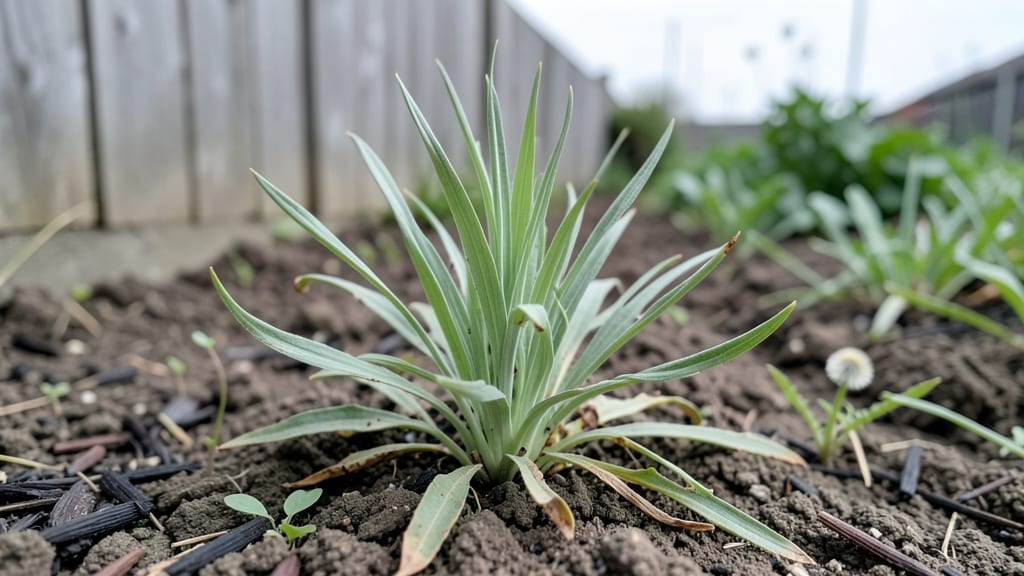
The early liatris seedling identification you do today ensures you’ll spare those future purple blooms from the weeding pile. 🌿 The key is spotting those narrow, grass-like leaves and the telltale purple hue that starts showing at the very tips—even before the distinctive cone blooms form.
I've pulled up plenty of look-alikes only to realize too late they were just wild grass or daylilies in disguise.
Young liatris seedlings grow in tight clusters, often forming small rosettes close to the ground, while their biggest imposters—like yarrow or ironweed—spread wider right away. The leaves also have a slightly fuzzy texture when you brush them, a detail most gardeners overlook until they're knee-deep in mistakenly pulled seedlings.
This fuzzy quality helps them handle drought once established.
Once you confirm the identity, give them space to spread their roots—liatris seedlings need room to develop strong bases before they'll produce those iconic purple cones. A light layer of mulch keeps moisture consistent, and they'll start showing color in their second year if given the right conditions.
The payoff? A garden that looks like it's been dressed by a professional florist.
Even in crowded gardens, these seedlings stand out once you know what to look for. The earlier you spot them, the sooner you'll have a border or meadow filled with those striking vertical blooms that hummingbirds can't resist. Here's how to tell them apart from day one.
Mistaking Seedlings for Weeds
Identifying young liatris seedlings can be tricky—especially when they resemble other plants or weeds in your garden. Misidentification often happens due to a mix of physical similarities, planting conditions, and growth stages. Understanding these causes helps you spot the subtle differences early and nurture your seedlings correctly.
Liatris seedlings (often called blazing stars) can easily be confused with young plants from the Asteraceae family, such as goldenrod, coneflower, or even thistles. Here’s why:
- Early-stage rosettes: Young liatris seedlings form a low, circular cluster of narrow leaves (a basal rosette) that resembles other wildflowers. Without the distinctive purple cone, they blend into the landscape.
- Similar leaf shape: Some weeds, like Canada thistle, have jagged, lobed leaves that mimic liatris’ slender, grass-like foliage. The key difference? Liatris leaves are smooth-edged and alternate along the stem.
- Color confusion: While mature liatris boasts striking purple spikes, seedlings are often green or pale. Weeds like purslane or chickweed may have similar early growth patterns but lack the liatris’ vertical, upright habit.
💡 Pro Tip: Wait until seedlings reach 3–4 inches tall—this is when the purple tint of the emerging flower bud becomes visible. Use a magnifying glass to check for tiny, cone-shaped buds at the top of the stem.
When liatris seedlings don’t thrive, their identifying features—like the purple cone or tapered leaves—may not develop properly. Common culprits:
| Issue | Why It Happens | How It Affects Identification |
|---|---|---|
| 💧 Overwatering | Liatris prefers dry to moderately moist soil. Excess water causes root rot and stunted growth. | Seedlings may appear yellowish or wilted, mimicking diseased plants rather than healthy liatris. |
| ☀️ Too Much Shade | Liatris thrives in full sun (6+ hours/day). Shady spots lead to leggy, weak stems. | Stems stretch outward, and leaves become broader, resembling mint or lamium instead of liatris. |
| 🏺 Compacted or Clay Soil | Liatris needs well-draining soil. Heavy clay suffocates roots and slows growth. | Seedlings may fail to sprout upright, lying flat like creeping Charlie or ground ivy. |
🔥 Fix It: Ensure seedlings are in sandy, loamy soil with good drainage. If transplanting, loosen soil around roots and avoid watering until the top inch is dry.
Liatris seedlings go through three distinct phases before reaching maturity, and skipping any stage can lead to misidentification:
- Germination (0–2 weeks):
- Tiny, hair-like sprouts emerge.
- Easily mistaken for grass or crabgrass.
- Rosette Stage (2–6 weeks):
- Forms a circular cluster of leaves close to the ground.
- Resembles dandelion or plantain seedlings.
- Flowering Stage (6+ weeks):
- Develops the iconic purple cone.
- If skipped due to poor conditions, may never flower.
🌡️ Temperature Matters: Liatris seeds need consistent warmth (60–70°F) to germinate. If sown too early, seedlings may linger in the rosette stage, making identification harder. Use a seedling heat mat if starting indoors.
If seedlings are chewed, spotted, or discolored, pests or pathogens may be altering their natural appearance. Common offenders:
- Slugs/Snails: Leave irregular holes in leaves, making seedlings look ragged.
- Spider Mites: Cause yellow stippling on leaves, mimicking nutrient deficiency.
- Fungal Issues (e.g., powdery mildew): Create white, dusty coatings that obscure leaf shape.
🎯 Prevention: Apply neem oil or diatomaceous earth to deter pests. Space seedlings 6–12 inches apart to improve airflow and reduce fungal risk.
Fixing Liatris Seedling Confusion
Identifying young liatris seedlings can feel like solving a puzzle—especially when they lack the signature purple cones of mature plants. But with the right approach, you can distinguish them from lookalikes and nurture them correctly.
Below are practical, step-by-step solutions tailored to common challenges, along with prevention tips to keep your seedlings thriving.
If your liatris seedlings resemble other wildflowers or grasses, focus on these key visual and structural clues:
🌱 Check the leaf shape and arrangement
Liatris seedlings have narrow, grass-like leaves that grow in a basal rosette (a circular pattern close to the ground).
Compare this to: - Dandelion seedlings: Wider, toothed leaves with a more random spread. - Grasses: Leaves are typically longer and grow in a more linear, upright pattern. - Other wildflowers: Look for hairy or fuzzy stems (a trait in some liatris species).
Pro Tip: 💡 Use a magnifying glass to inspect the leaf edges—liatris leaves often have a slightly rough texture near the base.
🌿 Look for early flower buds
Even young liatris seedlings may show tiny purple or pink buds at the center of their rosette.
If you spot: - A dense, cone-shaped cluster (even if not fully formed), it’s likely liatris. - Single stems with no budding, it could be a grass or weed—pull and compost to avoid competition.
🌱 Test the soil and growth habit
Liatris thrives in well-draining, slightly alkaline soil (pH 6.0–7.5).
If your seedlings: - Wilt quickly in soggy soil, they’re probably not liatris (they prefer drier conditions). - Grow in clumps with no vertical stems, they may be creeping charlie or clover—remove them to protect your liatris.
Prevention Tip: ✨ Plant liatris in a designated bed with a mulch barrier (like pine straw) to reduce weed intrusion.
If your liatris seedlings are yellowing, stunted, or dying, act fast with these targeted fixes:
💧 Overwatering or poor drainage?
Symptoms: Wilting, mushy stems, or seedlings that topple easily. Solution:
- Stop watering immediately—liatris hates soggy roots.
- Amend the soil with perlite or coarse sand to improve drainage.
- Repot seedlings in a well-draining mix (60% native soil, 30% compost, 10% perlite).
Pro Tip: 🌡️ Test your soil’s moisture by sticking a finger 1 inch deep—if it’s damp, wait before watering again.
🐜 Pest or disease attack?
Symptoms: Holes in leaves, black spots, or sticky residue (aphids/sap-sucking bugs). Solution:
- Handpick pests (like slugs or earwigs) in the evening.
- Spray with neem oil (1 tsp per quart of water) for aphids or fungal issues.
- Remove affected leaves and dispose of them in a sealed bag.
Prevention Tip: 🎯 Encourage beneficial insects (like ladybugs) by planting dill or marigolds nearby.
☀️ Too much or too little sun?
Symptoms: Leggy, weak stems (too little sun) or scorched leaves (too much). Solution:
- Gradually acclimate seedlings to full sun (start with 3–4 hours/day).
- Use shade cloth (30–50%) if in a hot, exposed area.
- Mulch around the base (2–3 inches of straw) to retain moisture and regulate temperature.
Pro Tip: 🔥 Morning sun is gentler—place seedlings where they get afternoon shade if possible.
To avoid misidentification next season:
- Label seedlings with small flags or toothpicks.
- Track growth stages with photos (note leaf shape, stem thickness, and bud formation).
- Record soil conditions (moisture, pH, amendments used).
Prevention Tip: 🌱 Start with certified liatris seeds from reputable nurseries to reduce the risk of imposters.
By combining visual identification, soil care, and pest management, you’ll confidently grow healthy liatris seedlings that mature into those stunning purple cones. Happy gardening! 🌸
Frequently asked questions
How do I tell if a young seedling is liatris vs. grass or weeds?
Look for narrow, grass-like leaves growing in a tight circular rosette close to the ground. Liatris seedlings have smooth-edged leaves with a slightly fuzzy texture, while grass leaves are longer and grow upright. Check for tiny purple or pink buds at the center—this is the best early clue!
Can liatris seedlings survive if transplanted after the rosette stage?
Yes, but transplant carefully! Liatris seedlings can handle transplanting once they’ve formed a 3–4 inch stem with visible roots. Water thoroughly 24 hours before and plant at the same depth as their original container. Mulch afterward to retain moisture and reduce stress.
Why do my liatris seedlings look like dandelions or plantains?
Both have broad, toothed leaves, but liatris seedlings stay low to the ground in a tight cluster, while dandelions and plantains spread wider. Liatris leaves are slender and grass-like, not lobed or jagged. Check for hairy stems—a common trait in young liatris.
How long does it take for liatris seedlings to show purple blooms?
Most liatris seedlings take 1–2 years to produce their iconic purple cones, depending on conditions. In ideal settings (full sun, well-draining soil), some may bloom in their first year, but second-year plants typically yield the best flowers. Patience pays off!
What’s the best way to protect liatris seedlings from pests?
Use neem oil or diatomaceous earth to deter slugs, snails, and mites. Space seedlings 6–12 inches apart for airflow, and plant marigolds or dill nearby to attract beneficial insects. Avoid overwatering, which attracts pests.