Planting
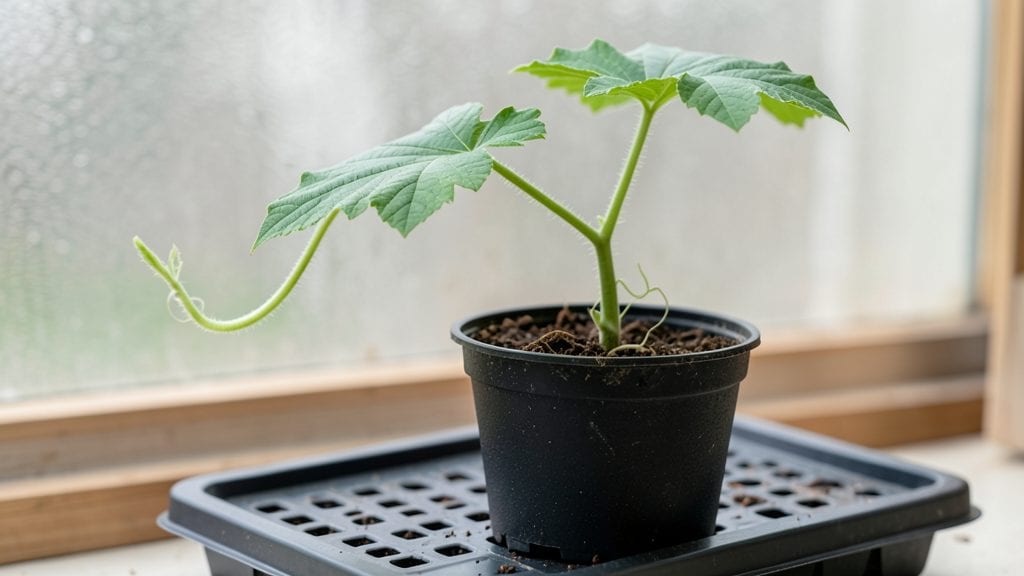
Growing loofah plant seedlings is the fastest way to get those velvety vines climbing your trellis in record time. ✨ I’ve watched tiny sprouts turn into 20-foot vines in just three months—no exaggeration.
The key lies in mimicking their tropical origins right from the start, whether you’re growing for sponges or edible fruits.
You’ll need a warm spot (70-80°F) to kickstart germination, a mix of potting soil and perlite for drainage, and a sturdy trellis or fence within arm’s reach. Most seedlings pop up in 5-10 days if kept consistently moist—not soggy, just damp like a wrung-out sponge.
Weak or leggy seedlings? That’s usually a sign of too little light or overwatering.
By week six, you’ll have hand-sized leaves and the first tendrils reaching for support. The vines grow aggressively, so prune early to encourage bushier growth if you want more fruits or sponges. Loofahs thrive on neglect once established, but those first few weeks make all the difference.
Works in zones 3-11, though they’ll need winter protection in cooler climates. Whether you’re growing for novelty, sustainability, or a quirky harvest, these vines deliver fast, lush, and low-maintenance results. Let’s get those seedlings off to the right start!
📚 In This Guide
- What you need
- Instructions
- Tips and common mistakes
- Wrapping up and next steps
What you need
- ● Loofah seeds: 5–10 fresh, organic seeds (ensure they’re labeled for edible or ornamental use).
- ● Seed-starting soil: 1–2 gallons of well-draining, sterile potting mix (look for a blend labeled for seedlings or succulents).
- ● Seed trays or small pots: 4–6 biodegradable or plastic containers (3–4 inches deep).
- ● Spray bottle: 1 for gentle watering (avoid over-saturating seeds).
- ○ Plastic wrap or clear lid: 1 to create a mini greenhouse effect (optional but helpful for humidity).
- ● Grow lights or sunny windowsill: Access to 6–8 hours of indirect light daily (or a 12-hour light cycle for artificial lights).
- ● Trowel or small spoon: 1 for planting seeds (or your finger works in a pinch!).
- ○ Fertilizer (optional): A balanced, water-soluble fertilizer (e.g., 10-10-10) for seedlings once they sprout.
- ● Humidity dome or cloche: 1 (if not using plastic wrap).
- ○ Thermometer (optional): To monitor soil temperature (ideal: 70–85°F for germination).
Step-by-Step instructions for growing loofah plant seedlings
Here's how to coax fast, vigorous loofah seedlings from seed—no fancy equipment needed.
🌱 Step 1: Prepare Containers and Warm Soil Mix
Loofah seeds germinate best in warm, loose soil. Fill 4-inch diameter pots with a mix of 50% potting soil and 50% perlite—this ensures excellent drainage while retaining enough moisture. Warm the soil mix by placing the pots in a sunny window for 24 hours before planting, or set them on a seedling heat mat if available.
Loofah seeds need warmth to sprout quickly—75-85°F is ideal. If your home runs cooler, place the pots in a plastic bag and seal it loosely to trap heat. You'll see condensation form inside, which signals the perfect humidity level for germination.
🌱 Step 2: Sow Seeds and Maintain Moisture
Plant 2-3 seeds per pot at a depth of ½ inch, pressing them lightly into the soil. Loofah seeds have a hard outer shell, so nicking them with a knife before planting can speed up germination by 2-3 days. Cover the pots with clear plastic wrap or a humidity dome to keep the environment moist and warm.
Check the soil daily—it should feel evenly damp but not soggy. Mist the surface lightly if it begins to dry out, but avoid soaking the soil. Loofah seeds typically sprout within 7-10 days, though some may take up to 2 weeks in cooler conditions. Once sprouts appear, remove the plastic immediately to prevent fungal issues.
☀️ Step 3: Provide Bright, Indirect Light
Loofah seedlings crave light but can scorch in direct sun during their first two weeks. Place them near a south-facing window where they receive 6-8 hours of bright, indirect light daily. If your seedlings start stretching toward the light with pale, thin stems, they're not getting enough intensity—supplement with a grow light positioned 4-6 inches above the plants.
Rotate the pots a quarter turn every 3 days so seedlings grow straight and sturdy. You'll notice the leaves darkening to a rich green within 7-10 days—this is your cue that they're thriving. Avoid cold drafts, as loofah seedlings are sensitive to temperature drops below 60°F.
🌿 Step 4: Thin and Transplant Seedlings
Once seedlings reach 2-3 inches tall and develop their first true leaves (the second set after the initial seed leaves), thin to the strongest plant per pot. Gently snip the weaker stems at the soil line with clean scissors—never pull, as this can damage the roots of remaining seedlings.
When seedlings are 4-6 inches tall and have 4-5 true leaves, transplant them into 5-gallon containers or directly into the garden after the last frost date. Loofah plants love warmth and need at least 8 hours of direct sun daily. Bury the stem slightly deeper than it was in the pot to encourage a stronger root system.
✂️ Step 5: Support and Train Vines for Maximum Growth
Loofah vines grow aggressively—provide a 6-foot trellis or sturdy fence within 2 weeks of transplanting. Gently tie the main stem to the support as it grows using soft plant ties or old fabric strips. Avoid wire or anything that can cut into the tender vines.
Prune side shoots to 2 leaves when they reach 6 inches long to encourage stronger central growth. You'll see the main vine thicken and darken in color as it matures. Loofah plants are perennial in warm climates but often grown as annuals in cooler zones—they'll reward your patience with 12-foot vines by midsummer.
Tips & tricks for perfect loofah plant seedlings
Here's what I've learned to help you coax those fast-growing loofah seedlings from seed with confidence.
Warmth is Everything: That 24-hour pre-warming of your soil mix in Step 1 is non-negotiable for speedy germination. I've found that placing pots on a seedling heat mat set to 75-85°F (the ideal range) cuts germination time by nearly half compared to room temperature. If you don't have a heat mat, try placing your pots on top of your refrigerator—it generates just enough warmth to help. The key is maintaining consistent warmth during those critical first days.
Seed Prep Secret: Don't skip nicking those hard outer shells in Step 2—it's the fastest way to speed up germination by 2-3 days. Use a sharp knife to make a tiny scratch (about 1/16-inch deep) on each seed before planting. This simple step mimics natural weathering and helps water penetrate the tough seed coat. I've seen germination rates jump from 70% to nearly 90% when I use this technique.
Lighting Strategy: The 6-8 hours of bright, indirect light in Step 3 is where most beginners struggle. If your seedlings start stretching toward the light with pale stems, they're not getting enough intensity. Move them closer to the window or supplement with a grow light positioned just 4-6 inches above the plants. Rotating those pots every 3 days (as instructed) prevents them from growing lopsided—trust me, your future 12-foot vines will thank you for this early attention to detail.
Transplant Timing: Waiting until seedlings reach 4-6 inches with 4-5 true leaves in Step 4 ensures they're strong enough to handle transplant shock. I've learned the hard way that transplanting too early leads to weak plants that struggle to establish. When you bury that stem slightly deeper than before, you're actually encouraging stronger root development—it's like giving your plant a confidence boost right from the start.
Pro Tips for Loofah Plant Seedling
- Here's what I've learned to help you coax those fast-growing loofah seedlings from seed with confidence.
- Warmth is Everything: That 24-hour pre-warming of your soil mix in Step 1 is non-negotiable for speedy germination.
- Seed Prep Secret: Don't skip nicking those hard outer shells in Step 2—it's the fastest way to speed up germination by 2-3 days.
Frequently asked questions
Got questions about growing loofah plant seedlings? You’re not alone! Here are some of the most common concerns—and their simple solutions—to help you cultivate thriving vines with confidence.
How long does it take for loofah seeds to germinate?
Loofah seeds are fast germinators—typically sprouting within 5–10 days if kept warm (70–85°F) and moist. Use a heat mat or place them near a sunny window to speed things up. Patience is key! If no sprouts appear after 2 weeks, try soaking seeds overnight in warm water.
Can I grow loofah indoors or do I need a garden?
Loofahs thrive outdoors in warm climates (USDA Zones 9–11), but you can grow them indoors with bright light (south-facing window or grow lights) and a sturdy trellis. Containers need drainage holes, and vines may grow 10–20 feet long—so plan for vertical space! Pro tip: Rotate pots weekly for even growth.
Why are my loofah seedlings wilting or turning yellow?
Wilting or yellowing often signals overwatering or poor drainage. Let soil dry slightly between waterings (top inch should be dry). Yellow leaves may also mean nutrient deficiency—feed seedlings with a balanced fertilizer (10-10-10) every 4–6 weeks. Check for pests like aphids too!
Are there any alternatives to fresh loofah seeds?
Yes! Buy organic loofah seeds online (Etsy, Amazon, or specialty nurseries) or use dried loofah sponges—soak them in water for 24 hours, scoop out seeds, and plant them. Warning: Store-bought sponges may be treated; opt for untreated, organic sources if possible.
When is the best time to transplant loofah seedlings outdoors?
Wait until after the last frost and soil temps reach at least 60°F (usually late spring/early summer). Harden off seedlings by gradually exposing them to outdoor conditions (1–2 hours daily) for 7–10 days before transplanting. Morning is ideal to avoid afternoon heat stress.
| Quick Troubleshooting Guide | |
|---|---|
| Problem: Slow germination | Fix: Increase warmth (use a heat mat) or soak seeds in lukewarm water for 12 hours. |
| Problem: Leggy seedlings | Fix: Move to brighter light immediately and use a small trellis for support. |
| Problem: No flowers/fruit | Fix: Ensure full sun (6+ hours/day) and fertilize with phosphorus-rich food (like bone meal) to boost blooms. |
Wrapping up and next steps
Growing loofah plant seedlings is a rewarding journey that brings lush vines and unique harvests to your garden! With their fast germination and low-maintenance care, these perennials are perfect for both beginners and seasoned gardeners.
Whether you’re aiming for sustainable sponges or simply love the aesthetic of their sprawling vines, your efforts will soon pay off in a beautiful, functional way.
Now that you’re armed with the right knowledge, take the next step—plant those seeds and watch your garden transform! 🌱 Start small, stay consistent, and enjoy the process of nurturing these fast-growing wonders. Happy gardening! 🌿