
How To
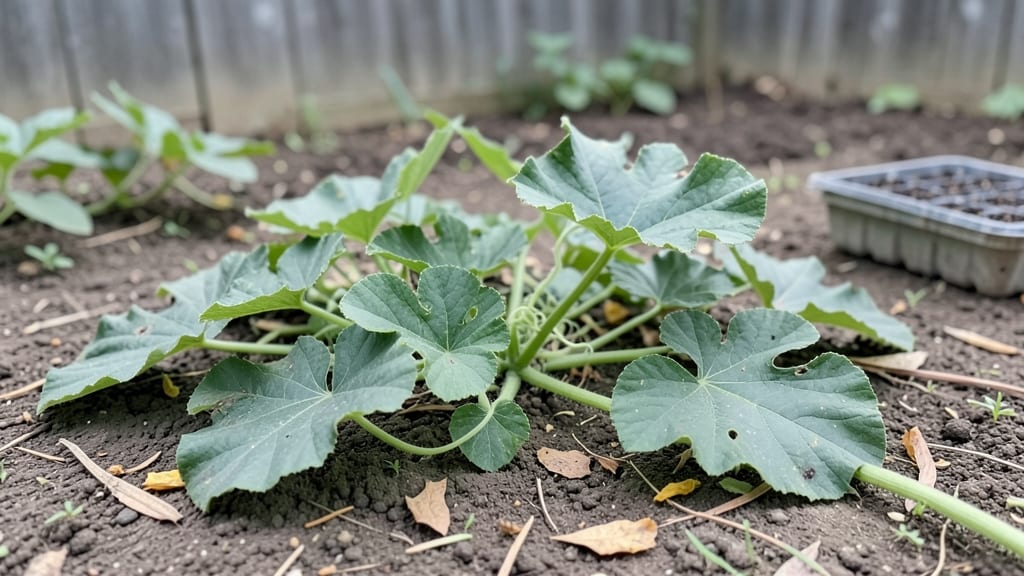
Watermelon seeds typically sprout in 5 to 10 days when given the right warmth and moisture—but those little sprouts can take their sweet time if conditions aren’t perfect.
Wondering when those tiny watermelon seeds will finally break through the soil? Patience is key—but knowing the right germination timeline and conditions can make all the difference between a thriving vine and a failed crop.
In USDA Zone 6a, where spring planting kicks off around April 15, soil temperature is the game-changer. Too cool, and your seeds might linger for weeks; too hot, and they risk drying out before they even wake up.
Below, I’ll walk you through the ideal setup—soil temps, moisture tricks, and even how to tell if your seeds are just being stubborn or if something’s truly wrong.
Watermelon seed germination timeline: days to sprouting under perfect conditions
If you've ever waited anxiously for those first watermelon sprouts to emerge, you're not alone. Under ideal conditions, watermelon seeds typically sprout within 5 to 10 days, though some varieties may take just 3 days or up to 2 weeks in cooler soils.
The key lies in understanding each germination stage and how environmental factors influence speed.
The journey begins when your watermelon seeds absorb moisture and swell—this usually happens within 12 to 48 hours after planting. Inside the seed, the radicle (embryonic root) starts growing, followed by the taproot, which anchors the plant and signals the start of true germination.
This critical phase often occurs between Day 2 and Day 5, depending on warmth and moisture.
| Germination Stage | Timeframe (Days) | Key Visual Cues | Critical Factors |
|---|---|---|---|
| Seed Swelling | 0.5 - 2 days | Seed doubles in size, skin softens | Moisture absorption, seed viability |
| Radicle Emergence | 2 - 5 days | White root breaks seed coat | Soil warmth (70°F+), oxygen access |
| Taproot Development | 3 - 7 days | Thick primary root (1-2 inches) | Well-draining soil, consistent moisture |
| Shoot Breakthrough | 5 - 10 days | Green stem emerges above soil | Light exposure, humidity balance |
| First True Leaves | 10 - 14 days | Cotyledons unfurl, then leaf pairs | Nutrient availability, pest-free |
The taproot emergence between Days 3 and 7 is the most critical phase. This single root grows downward rapidly, seeking water and nutrients while establishing the plant's foundation.
If this root develops properly, your watermelon will have a strong start. Cold soil or poor drainage can stall this process, leading to weak seedlings.
By Day 5 to 7, you should see the first signs of life above soil—the shoot breakthrough. This is when the hypocotyl (seedling stem) pushes upward, often appearing as a tiny green hook.
In perfect conditions, this phase coincides with the taproot reaching 1 to 2 inches deep, creating a stable anchor for future growth.
Some gardeners report faster germination (as early as 3 days) when using heat mats or planting in warmer climates. However, overheating soil above 95°F can actually slow germination by stressing the seeds.
The sweet spot for watermelon seeds is consistently 70 to 90°F—ideal for most USDA Zones 6-10 during spring planting.
If your seeds haven't sprouted by Day 10, don't panic—though it may indicate poor seed viability or unfavorable conditions. First, check if the soil is still moist but not soggy.
Watermelon seeds need consistent moisture but will rot if waterlogged. A quick test: poke your finger 1 inch deep—if it feels damp (not wet), conditions are likely correct.
Once the first true leaves appear (typically 10 to 14 days after planting), your seedlings are ready for transplanting outdoors if nighttime temperatures stay above 55°F. These leaves will be round and lobed, distinct from the initial cotyledons (seed leaves).
This stage marks the transition from germination to vegetative growth, where your watermelon plant will focus on building vines and foliage.
Pro tip: Use clear plastic domes or row covers during germination to maintain humidity levels between 70-80%. This mimics the tropical conditions watermelons prefer and can shave 1-2 days off your germination timeline. Just remember to ventilate daily to prevent fungal issues like damping-off.
Remember, every watermelon variety has slight variations. Heirloom seeds often take longer (up to 14 days) compared to hybrid varieties, which may sprout in just 5 days. Always check the seed packet for specific germination rates—this can guide your expectations and help you adjust care accordingly.
Ideal conditions for fast watermelon seed germination: temperature, moisture & soil tips
Watermelon seeds need precise conditions to sprout quickly—think of them like delicate athletes needing the perfect training environment. The soil temperature is the most critical factor, with 70–90°F being the sweet spot for rapid germination.
Below 60°F, seeds may take weeks or rot, while above 95°F can stress them. I’ve learned the hard way that rushing germination by overwatering or using cold soil often backfires.
Moisture balance is equally crucial—too dry, and seeds won’t activate; too wet, and they’ll suffocate or rot. Aim for consistently damp soil, not soggy. I use a spray bottle to mist seeds lightly every 2–3 days until they sprout, then switch to gentle watering.
Organic matter like compost also helps retain moisture while improving drainage, which prevents seed rot.
⚠️
⏰ Germination Timeline Warning
Watermelon seeds typically sprout in 5–10 days under ideal 70–90°F soil temps and consistent moisture. If no sprouts appear after 14 days, seeds may be old or non-viable. Test a few seeds in warm water—if they sink, they’re likely good; if they float, replace them.
For faster results, I pre-soak seeds for 4–6 hours in warm water before planting. This mimics natural rainfall and kickstarts germination. Pair this with a heat mat (set to 80–85°F) if your soil runs cold, especially in early spring.
I’ve seen seeds sprout in just 3–5 days with this combo, compared to 2+ weeks without it.
Soil preparation can’t be overlooked. Watermelons thrive in loamy, well-draining soil with a pH of 6.0–6.8. Amend heavy clay or sandy soil with compost or coconut coir to improve structure.
I always mix in a handful of perlite or vermiculite to prevent compaction, which can smother emerging taproots. A quick soil test ensures you’re not missing hidden issues like salinity.
Light plays a subtle but important role too. While seeds germinate in darkness, they need indirect sunlight (like a north-facing window) once the first leaves appear. Direct sun can scorch tender seedlings.
I use a grow light on a 12-hour cycle if natural light is weak, which is especially helpful in cloudy climates or indoor setups.
Finally, patience and observation are key. Mark your seed trays with the planting date and monitor daily for signs of life. The first sign is usually a tiny white taproot breaking through the soil, followed by the seedling’s first true leaves.
Once you see this, you’re on your way to a bountiful harvest—just keep those 70–90°F temps and consistent moisture going! 🌱