
Diseases
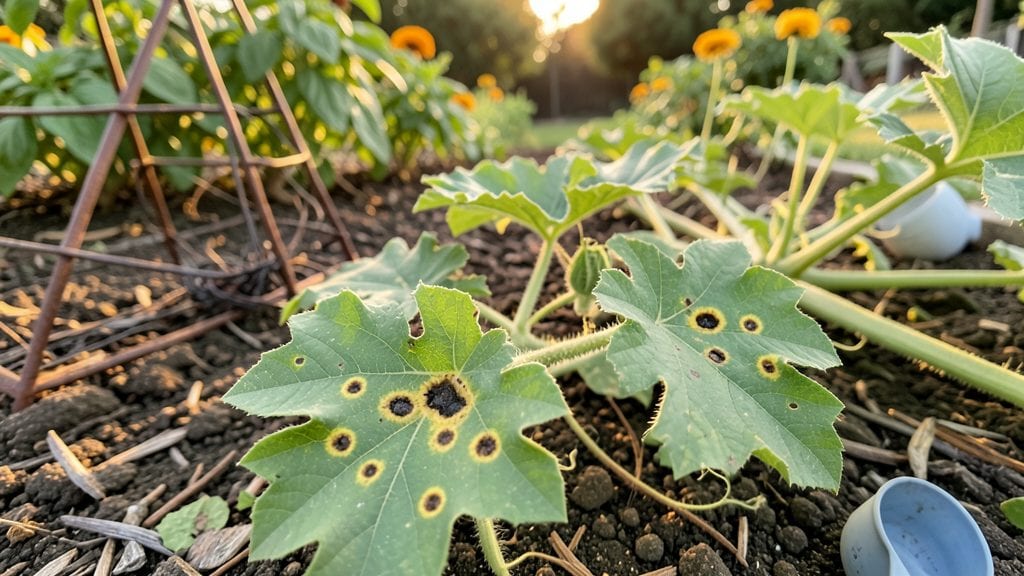
Watermelon seedling diseases can turn your hopeful little sprouts into sad, wilted messes before they even hit the vine stage. 🌱 I’ve lost entire trays of seedlings to damping-off and powdery mildew, and let me tell you—it’s heartbreaking to watch.
The good news? Most of these problems have simple fixes if you catch them early.
Damping-off, that classic soil-borne villain, shows up as blackened stems at the soil line, while powdery mildew coats leaves in a ghostly white film. Fusarium wilt? It’s the sneaky one—yellowing leaves and stunted growth before the plant collapses.
The causes? Too much moisture, poor airflow, or contaminated soil. But here’s the thing: you can stop them in their tracks with the right moves.
Start with clean seed-starting mix and sterilized containers—no shortcuts here. Space seedlings for airflow, water at the base (not overhead), and rotate crops yearly to break disease cycles.
For existing issues, baking soda sprays or neem oil can work wonders on mildew, while cinnamon dust on soil fights damping-off. Prevention is easier than cleanup, trust me.
Even if you’ve had losses before, these strategies will give your next batch a fighting chance. The key is acting fast—once those symptoms appear, the battle’s half lost. Let’s get those seedlings thriving instead of struggling.
Root Causes of Seedling Struggles
Watermelon seedlings don’t just wilt for no reason—they’re battling unseen foes lurking in the soil, air, or even your own gardening habits. Understanding why these diseases strike is half the battle.
Below, we break down the science behind the most common culprits, so you can stop them before they take root. 🌱🔍
Watermelon seedlings thrive in well-draining soil, but when moisture lingers, it creates the perfect breeding ground for fungal pathogens like Pythium and Phytophthora. Here’s why:
- Oxygen starvation: Soggy soil cuts off oxygen to roots, weakening seedlings and making them highly susceptible to rot. Think of it like drowning—roots can’t "breathe," so they suffocate.
- Fungal feast: Waterlogged conditions encourage Pythium (a water mold) to multiply rapidly. This pathogen attacks young roots, causing damping-off—where seedlings collapse at the soil line.
- Nutrient imbalance: Excess water leaches away essential nutrients (like nitrogen and phosphorus), starving seedlings and leaving them defenseless against disease.
Pro tip: 💡 Test your soil’s drainage by digging a hole, filling it with water, and timing how long it takes to drain. If it’s slower than 6 hours, amend with sand or perlite to improve airflow.
Fungi like Fusarium and Rhizoctonia are opportunistic—they lie dormant in soil, compost, or even on gardening tools until conditions are just right. Here’s how they strike:
- Survival mode: Fungal spores can persist for years in organic matter (like old mulch or plant debris). If you reused contaminated soil or pots, you’re basically handing them a welcome mat.
- Warmth + moisture = party time: Temperatures between 70–85°F (21–29°C) and high humidity trigger spore germination. That’s why seedlings often sicken during spring rains or in greenhouses.
- Tool transmission: Pruners, trowels, or seedling trays can carry spores from infected plants to healthy ones. It’s like a disease taxi service!
Pro tip: ✨ Solarize soil (cover it with clear plastic for 4–6 weeks in summer) to kill fungal spores naturally. Or, sterilize tools with a 10% bleach solution (1 part bleach to 9 parts water).
Don’t underestimate the indirect damage of pests like aphids, cutworms, or nematodes. They don’t just chew leaves—they stress seedlings, making them vulnerable to secondary infections.
- Sap-sucking sabotage: Aphids and whiteflies inject toxins while feeding, stunting growth and reducing the seedling’s ability to fight off pathogens like downy mildew.
- Root gnawing: Cutworms or root-knot nematodes sever roots, creating entry points for bacteria (Erwinia) or fungi (Rhizoctonia). It’s like leaving a door unlocked for invaders.
- Honeydew havoc: Pests like aphids excrete sticky honeydew, which attracts sooty mold—a fungal growth that blocks sunlight and further weakens seedlings.
Pro tip: 🔥 Inspect seedlings daily for pests, especially under leaves. Use neem oil or kaolin clay as a natural deterrent before diseases get a foothold.
Watermelon seedlings are tender—they hate sudden temperature changes, which disrupt their immune responses and invite disease. Here’s the science:
- Cold stress: Temperatures below 50°F (10°C) slow root growth and reduce disease resistance. Cold-damaged cells become easy targets for Botrytis (gray mold).
- Heat shock: Sudden heat waves (90°F/32°C+) cause protein denaturation in seedlings, weakening their cell walls. This makes them more permeable to fungal invasions.
- Nighttime chill: Warm days followed by cold nights create condensation, prolonging leaf wetness—the #1 trigger for fungal spores to germinate.
Pro tip: 🌡️ Use row covers or shade cloth to buffer temperature swings. For cold snaps, mulch with straw to insulate soil and protect roots.
Now that you know the why, the next step is action. Prevention starts with healthy soil, vigilant monitoring, and smart spacing—but we’ll cover those fixes in the next section. Stay tuned! 🚀
Quick Fixes for Watermelon Seedling Struggles
If your watermelon seedlings are showing signs of disease, acting fast is key to saving your crop. Below are practical, step-by-step solutions tailored to the most common issues—plus prevention tips to keep your plants thriving. 🌱💦
Cause: Overwatering, poor airflow, or contaminated soil. Fix It:
🍳 Remove Infected Seedlings
- Gently pull out seedlings with blackened stems or white powdery patches.
- Pro tip: 💡 Use sterilized tools (rubbing alcohol works) to avoid spreading spores.
👨🍳 Improve Drainage & Airflow
- Repot affected seedlings into fresh, well-draining soil mix (add perlite or vermiculite).
- Space seedlings 6–8 inches apart to reduce humidity buildup.
- Water at the base (avoid overhead sprinkling) and use a fan on low for 10–15 minutes daily to dry leaves.
🥘 Fungicide Treatment (Organic Options)
- Baking soda spray: Mix 1 tsp baking soda + 1 quart water + a few drops of dish soap. Spray leaves every 7–10 days.
- Neem oil: Apply 1 tbsp neem oil + 1 quart water + a drop of soap. Reapply weekly until symptoms fade.
🌡️ Prevention:
- Sterilize soil with a 20-minute bake in the oven (200°F) or solarize beds by covering with clear plastic for 4–6 weeks.
- Rotate crops—avoid planting watermelons in the same spot yearly.
- Use seedling trays with drainage holes and avoid overcrowding.
Cause: Contaminated water or tools, or infected transplants. Fix It:
⏰ Isolate & Destroy Infected Plants
- Remove wilted seedlings immediately—bacterial wilt spreads rapidly.
- Warning: 🚨 Do NOT compost infected plants; dispose of them in sealed bags.
🔪 Clean Your Tools & Hands
- Scrub pots, scissors, and gloves with 10% bleach solution (1 part bleach to 9 parts water) after each use.
💧 Adjust Watering Practices
- Water deeply but infrequently—avoid soggy soil.
- Use chlorinated or boiled water (let it sit 24 hours to dissipate chlorine) to reduce bacterial load.
🎯 Prevention:
- Buy disease-resistant varieties like ‘Sugar Baby’ or ‘Crimson Sweet’.
- Test soil pH (aim for 6.0–6.8)—bacteria thrive in acidic conditions.
- Disinfect seedling trays with hydrogen peroxide (3%) before reuse.
Cause: Aphids or other pests spreading viruses from infected plants. Fix It:
🐜 Control Pests Immediately
- Handpick aphids with soapy water (1 tsp mild soap per quart of water).
- Introduce beneficial insects like ladybugs or lacewings.
- Spray insecticidal soap (repeat every 3–5 days until pests vanish).
🌿 Remove & Destroy Infected Plants
- Viral diseases have no cure—pull and discard affected seedlings to stop spread.
🌡️ Strengthen Seedlings
- Fertilize lightly with a balanced 10-10-10 or compost tea to boost immunity.
- Provide shade cloth (30–50%) if seedlings are stressed by direct sun.
✨ Prevention:
- Inspect new plants for pests before transplanting.
- Use reflective mulch (aluminum foil) to deter aphids.
- Rotate crops and avoid planting near cucurbits (squash, cucumbers) that share viruses.
Even with diseases under control, these habits keep seedlings resilient:
- Hardening off: Gradually expose seedlings to outdoor conditions (5–7 days) before transplanting.
- Morning watering: Wet soil before 10 AM to allow leaves to dry overnight.
- Mulch lightly: Use straw or grass clippings to retain moisture and deter soil-borne pathogens.
Remember: Early action is your best defense! 🛡️ Most seedling diseases can be managed before they cripple your crop—just stay vigilant and adjust care as needed.
Frequently asked questions
What’s the first sign my watermelon seedlings have damping-off?
Look for seedlings that suddenly collapse at the soil line, leaving a blackened, mushy stem. The leaves may still look healthy above ground while the base rots away. This happens when fungal spores (like Pythium) thrive in overly moist, poorly ventilated soil.
Can I reuse soil from last year’s watermelon patch?
Only if you sterilize it first! Soil-borne diseases like fusarium wilt or verticillium can survive for years. Solarize the soil (cover with clear plastic for 4–6 weeks) or bake it at 200°F (93°C) for 20 minutes to kill pathogens. Fresh, disease-free mix is always the safest bet.
How do I tell if my seedlings have powdery mildew vs. aphids?
Powdery mildew looks like a white, dusty coating on leaves (like frost that won’t wipe off), while aphids leave sticky honeydew and tiny green/black bugs clustered on stems or undersides. Tap leaves over water—aphids will drop in, but mildew won’t.
Will neem oil harm my watermelon seedlings?
Not if used correctly! Dilute 1 tablespoon neem oil in 1 quart water with a drop of soap (as an emulsifier). Spray early in the morning on dry leaves to avoid leaf burn. Avoid reapplying within 24 hours of other pesticides.
Can I save a seedling with bacterial wilt?
No—bacterial wilt (Erwinia) spreads fast and has no cure. Remove infected plants immediately (don’t compost them) and sterilize tools with 10% bleach solution. Focus on prevention: use disease-resistant varieties and avoid overhead watering.