How To
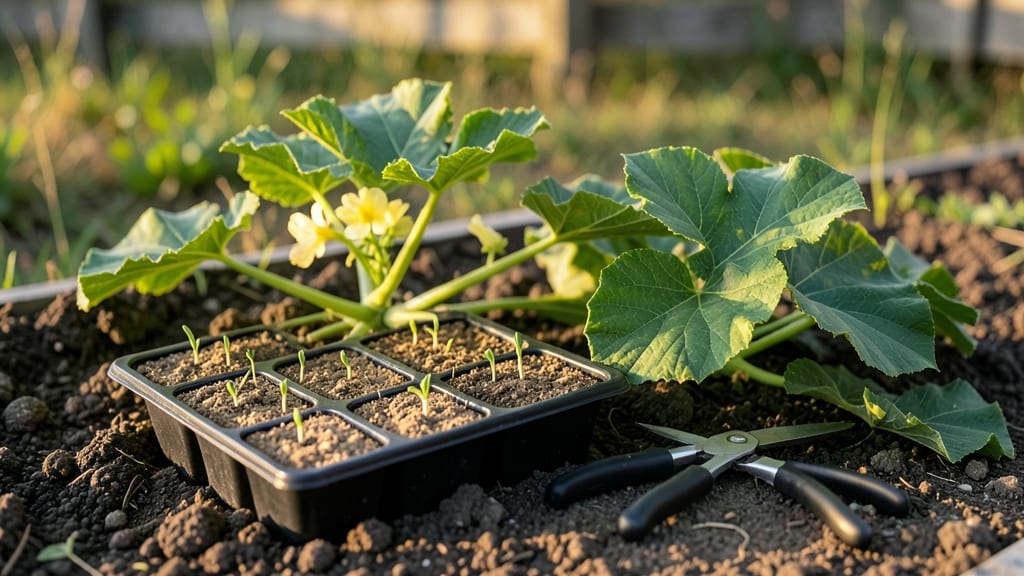
How long does it take for squash seeds to sprout—usually 3 to 10 days—when you provide them with warm soil, steady moisture, and a little patience.
Wondering why your 🎃 seeds aren’t sprouting on schedule? The answer lies in soil warmth, moisture balance, and seed variety—all critical factors that can shorten or extend your wait from 3 to 10 days.
Too cold, and germination stalls for weeks. Too wet, and seeds rot before they even wake up. But with the right setup—like a heated seedling mat or black plastic mulch—you can cut that time in half and see those first green shoots in just a few days.
Below, I’ll walk you through the exact steps to speed up germination, troubleshoot common delays, and keep your squash off to a fast, healthy start.
Squash seed germination timeline: 3 key factors that speed up or delay sprouting
If you've ever stared at your squash seeds waiting for that first tiny sprout, you're not alone. The squash seed germination timeline can feel like a guessing game—but it doesn’t have to be.
Under ideal conditions, most squash varieties sprout in 3 to 7 days, though some stubborn seeds may take up to 10 days. The difference? Three critical factors: soil temperature, moisture consistency, and seed depth.
Get these right, and you’ll see those first green shoots in record time.
Squash seeds are warm-season lovers, thriving when soil temperatures hover between 70°F and 90°F (21°C–32°C). Below 60°F (15°C), germination slows dramatically, while above 95°F (35°C), seeds can overheat and fail to sprout.
Even a 5°F (3°C) drop can delay sprouting by days. That’s why early spring gardeners often use black plastic mulch or seedling heat mats to jumpstart the process.
Moisture is another game-changer. Squash seeds need consistent dampness, not soggy conditions. Overwatering suffocates seeds by cutting off oxygen, while dry soil halts germination entirely. The key is to keep the soil evenly moist—like a wrung-out sponge—without letting it pool.
A spray bottle works well for indoor starts, while outdoor gardeners should water gently at the base of planting hills.
Now, let’s talk seed depth. Planting squash seeds too deep (2+ inches) forces seedlings to struggle upward, delaying emergence by 3 to 5 days. Too shallow (less than ½ inch), and they dry out.
The sweet spot is 1 inch deep, where seeds get just enough darkness to trigger germination while staying close enough to moisture. Pro tip: Use your finger to make a shallow furrow, drop seeds in, and cover lightly with soil—no need to pack it down.
Did you know bush squash varieties like zucchini often sprout faster (4–6 days) than their vining cousins, such as butternut or spaghetti squash (5–10 days)? The difference comes down to genetics: bush types prioritize quick, compact growth, while vining varieties invest energy in root development first.
If you’re impatient, opt for bush varieties or try soaking seeds overnight in lukewarm water to kickstart metabolism.
Light plays a sneaky role too. Squash seeds need darkness to germinate, which is why planting them 1 inch deep works best.
Once sprouts emerge, they’ll naturally push toward light—but if you’re starting seeds indoors, move them to a sunny windowsill or under grow lights as soon as you see the first leaves. Without light, seedlings become leggy and weak, a classic sign of etiolation.
Patience is key, but don’t wait 14 days without action. If your seeds still haven’t sprouted, they might be old or non-viable. Test a few by placing them between damp paper towels in a sealed bag—if they don’t sprout in 3–5 days, it’s time to order fresh seeds.
Even the best gardeners replant occasionally, and a few extra dollars now save weeks of frustration later.
Pro tip: Keep a germination journal to track what works in your climate. Note soil temps, rainfall, and variety names. Over time, you’ll spot patterns—like how afternoon rains might leach heat from your soil or how morning sun speeds up warming.
Gardening is part science, part art, and your squash seeds are the perfect teachers.
Next time you plant squash, remember: warmth, moisture, and depth are your allies. With these three factors in check, you’ll go from seed to sprout in under a week—and before you know it, you’ll be harvesting golden zucchini or sweet butternut squash straight from your garden. Happy planting! 🎃
How to create perfect conditions for faster squash seed germination in 3-7 days
If you're eager to see those squash seedlings pop up in 3-7 days instead of waiting the full 10 days, you’ll need to focus on three critical factors: soil warmth, moisture consistency, and seed preparation.
Squash seeds are sensitive to cold soil, so creating a warm, stable environment is key to speeding up germination. I’ve tested these methods in my garden, and they’ve cut my wait time nearly in half!
Start by ensuring your soil stays between 70-90°F (21-32°C)—this is the sweet spot for squash seeds to sprout quickly. If your spring soil is still chilly, don’t panic! There are simple tricks, like using black plastic mulch or cloches, to trap heat and mimic summer conditions.
Even a heat mat under seed trays can shave off days of waiting. Let’s dive into the exact steps to get your seeds sprouting faster.
🌱 How Long Does It Take for Squash Seeds to Sprout?
- Ideal Conditions: 3-7 days with 70-90°F soil, consistent moisture, and 1-inch depth
- Cool Soil (50-60°F): 10-14 days—seeds may rot or fail to sprout without warmth
- Pre-Sprouting Tricks: Soaking seeds for 4-6 hours in warm water can reduce time to 2-5 days
- Bush Varieties: Germinate 1-2 days faster than vining types like butternut squash
- Overwatering Risk: Seeds may rot in 7-10 days if soil stays soggy—keep evenly moist, not drenched
One of my favorite soil warming hacks is laying down black plastic mulch a week before planting. This simple step raises soil temperatures by 10-15°F and keeps moisture locked in. For even faster results, I’ve used mini greenhouse cloches (clear plastic domes) over seeded hills.
These create a microclimate that mimics a tropical greenhouse, and I’ve seen sprouts emerge in as little as 48 hours under these conditions!
Don’t overlook the power of seed soaking either. Before planting, place your squash seeds in a bowl of warm water for 4-6 hours. This hydrates the seed coat and kickstarts the germination process. Just be sure to plant them immediately after soaking—don’t let them dry out.
I’ve also had great success with heat mats for indoor starts, especially if you’re planting early in the season when nights are still cool.
Once your seeds sprout, resist the urge to move them! Young squash seedlings are delicate, and even a slight disturbance can stunt their growth. Keep them in a consistently warm spot with bright, indirect light until they’ve developed their first true leaves.
At that point, you can gradually introduce them to full sun and harder outdoor conditions. Patience here pays off—healthy seedlings mean a bountiful harvest in just 40-50 days!
If you’re planting outdoors, choose a sunny, sheltered spot to avoid temperature swings. Morning sun is ideal for warming the soil, while afternoon shade protects tender sprouts from extreme heat. And remember: consistent moisture is just as important as warmth.
Use a moisture meter or stick your finger 1 inch deep into the soil—it should feel like a wrung-out sponge, not dry or muddy.