Plants
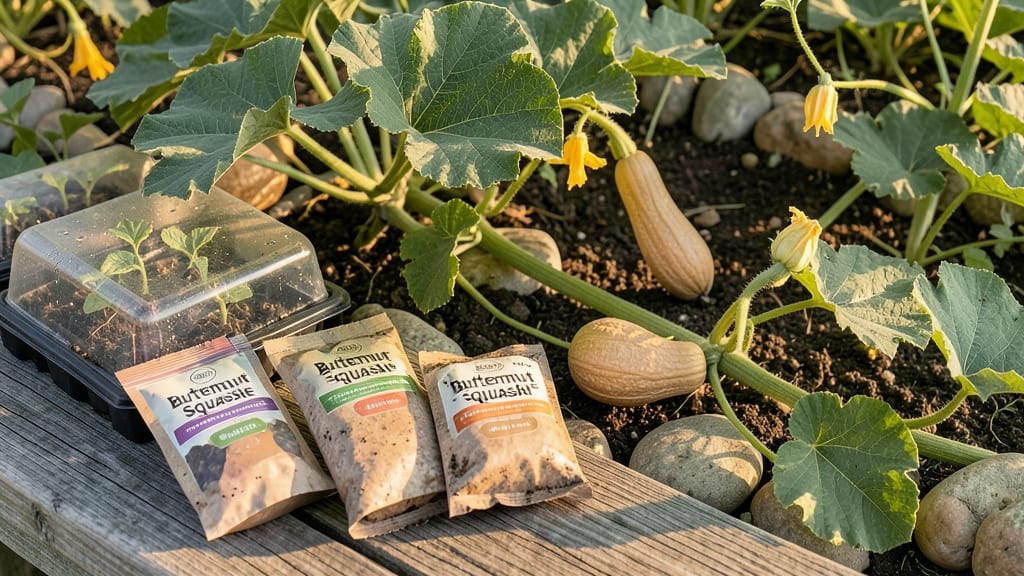
Planting butternut squash seeds in the UK demands precision—aim for mid-April to early June when soil warms to 15°C (60°F) and frost risks fade.
Butternut squash 🎃 thrives in the UK’s temperate climate—but planting too early risks frost damage, while waiting too long cuts your harvest short. Timing is everything, and soil temperature is the secret to success.
Whether you’re starting seeds indoors or sowing directly, the 180-220 frost-free days rule is your guide. A late start in Scotland may mean smaller yields, while coastal areas can push planting a week later.
Below, I’ll break down the exact planting windows by region, how to prep seeds for success, and the 3 key signs your squash is ready to harvest—so you don’t miss a single opportunity.
UK soil temperature & frost-free deadlines for planting butternut squash seeds
Butternut squash (Cucurbita moschata) loves the UK's warm summers but hates frost. The key to success? Planting when soil temperatures hit 15–20°C (60–68°F) and all risk of late frosts has passed.
In the UK, this typically means waiting until mid-April to early June, depending on your region.
Northern areas like Scotland often need to wait until late May, while southern England can start as early as mid-April. Coastal regions may have earlier frost-free dates due to milder microclimates, but inland areas can be 2–3 weeks later.
Here’s the critical rule: Butternut squash seeds won’t germinate below 15°C, and seedlings won’t survive if temperatures drop below 10°C. Use a soil thermometer to check—it’s the only way to be sure.
For indoor starts, begin seeds 8–10 weeks before your local last frost date. This gives seedlings a 3–4 week head start before transplanting into warmed soil. If you’re direct sowing, wait until after May 15 in most UK regions to avoid frost damage.
🌱
If you’re direct sowing, aim for after May 15 in most UK regions to avoid frost. Butternut squash needs 90–120 days to mature, so late plantings risk small harvests before the first autumn frosts in October.
For indoor starts, use biodegradable pots and seedling heat mats to keep soil at 21–24°C (70–75°F) until germination. Transplant outdoors only after soil warms and seedlings have 3–4 true leaves.
Pro tip: Black plastic mulch can raise soil temperatures by 5–10°C, helping you plant 1–2 weeks earlier in cooler regions. Just lay it down 1 week before planting to warm the soil.
🌡️
Remember, butternut squash is a warm-season crop, so
Step-by-step UK planting schedule: indoor starts vs. direct sowing
Deciding between indoor starts and direct sowing for butternut squash in the UK depends on your last frost date and microclimate. Coastal areas like Cornwall can plant earlier, while inland regions like Yorkshire may need to wait.
For most UK gardeners, indoor starts give you a head start, but direct sowing is simpler if you’re planting after May 15.
Butternut squash seeds need warm soil (15-20°C) to germinate, so timing is critical. In Scotland, aim for late May sowing, while England and Wales can start as early as mid-April for indoor starts. Let’s break down the exact steps for both methods to maximize your harvest.
Indoor Starts (8–10 Weeks Before Last Frost)
- Start seeds indoors: Early March to early April (8–10 weeks before your last frost date)
- Use seed trays with well-draining compost (50/50 peat-free mix and perlite)
- Keep soil warm: Place trays on a heat mat (18-21°C) until germination (7–14 days)
- Hardening off: Acclimate seedlings to outdoor conditions for 10–14 days before transplanting
- Transplant outdoors: After last frost (mid-April in most UK regions), when soil is 15°C+
Direct Sowing (After May 15 in Most UK Regions)
- Wait for soil warmth: After May 15 when soil reaches 15°C+ (test with a thermometer)
- Choose a sunny spot: 6+ hours of full sun daily (south-facing is ideal)
- Sow seeds: 1 inch deep, 3 feet apart in rows 4 feet apart
- Thin seedlings: Keep only the strongest plant per spot when they’re 2 inches tall
- Mulch after germination: Use straw or compost to retain moisture and suppress weeds
For coastal UK regions, you can push direct sowing to early May thanks to milder microclimates. Inland areas like the Midlands should wait until late May to avoid late frosts. If you’re in Scotland, aim for late May to early June for direct sowing.
Both methods require well-draining soil and consistent moisture—butternut squash hates soggy roots. After planting, monitor for pests like squash bugs and use row covers if early frosts threaten. With the right timing, you’ll enjoy a bountiful autumn harvest!
Pro tip: If you’re unsure about your last frost date, check local weather records or use the Met Office’s frost forecast. For cooler UK regions, consider black plastic mulch to warm the soil faster.