
Vegetables
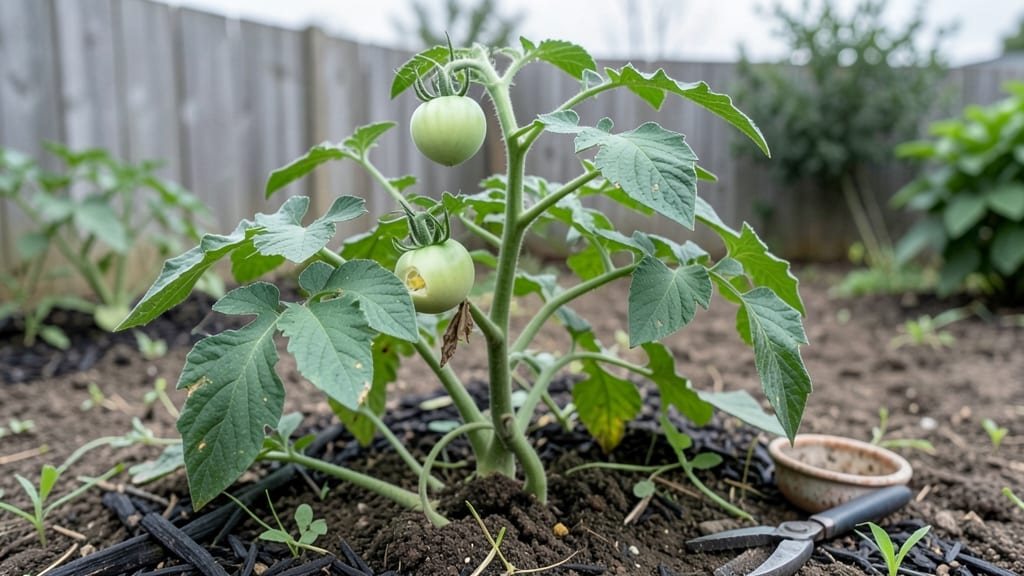
Green seeds inside your tomato mean the fruit was picked too early—something I learned the hard way after harvesting a "ripe" tomato just to find those telltale green specks staring back at me. 🌱 The seeds need time to fully mature, and when they don’t, the whole fruit suffers.
This isn’t just about looks; underripe seeds mean the tomato’s flavor and texture won’t develop properly either.
The fix starts with patience and observation. A properly ripened tomato will have a deep, even color all the way to the stem—no lingering green patches. If you’re growing in warm climates, heat stress can also lock seeds in their green phase, so keep an eye on temperature swings.
For seed-saving, you’ll actually want those green seeds—they’re the most viable for planting.
Once you spot the issue, don’t toss the tomato. Let it finish ripening on the counter or in a paper bag with a banana (the ethylene gas helps). Within a few days, the seeds will turn a creamy white, and the fruit will soften just right.
The key is catching the problem early—before the seeds turn black, which means they’re past their prime for eating or saving.
This trick works for heirloom and hybrid tomatoes alike, though heirlooms often handle early harvesting better. Next time you’re tempted to pick that "almost red" tomato, wait one more day. Your taste buds—and your seeds—will thank you.
📚 In This Guide
- What you need
- Instructions
- Tips and common mistakes
- Wrapping up and next steps
What you need
- ● Tomatoes: Fresh, vine-ripened tomatoes with green seeds (1–3, depending on your needs)
- ● Cutting board: A sturdy, food-safe board (preferably plastic or wood)
- ● Sharp knife: A chef’s knife or paring knife for slicing
- ● Spoon or fork: For scooping out seeds and gel
- ● Colander or fine-mesh strainer: To rinse seeds (4–6 inches in diameter works well)
- ● Water: Room-temperature or cool water for rinsing
- ○ Paper towels or clean cloth: For drying seeds (optional but helpful)
- ● Small bowls or containers: For separating seeds, gel, and pulp (2–3 needed)
- ● Labeling markers or tags: If saving seeds for future planting
- ● Glass jars or airtight containers: For storing seeds long-term (e.g., mason jars)
- ● Silica gel packets: To speed up seed drying (place in a sealed container with seeds)
- ● Garden journal or notebook: To track tomato varieties and seed-saving notes
- ● Food processor or blender: For quickly separating seeds from gel (if working with large quantities)
- ● Hand lens or magnifying glass: To inspect seeds for viability
Instructions for handling green seeds in tomato fruits
Green seeds inside tomatoes are normal—but knowing how to manage them ensures better flavor and storage life.
🌱 Step 1: Identify the Cause of Green Seeds
Green seeds appear when tomatoes ripen too quickly or don’t fully mature on the vine. This often happens with varieties like heirlooms that need more time to develop. Check the fruit’s color—if it’s still slightly green or unevenly red, the seeds likely didn’t complete their development cycle.
Another culprit is harvesting too early. If you pick tomatoes before they’re fully ripe (especially in cooler climates), the seeds stay green. A properly ripened tomato should be deep red (or the correct color for your variety) and slightly soft to the touch.
☀️ Step 2: Optimize Growing Conditions for Full Ripening
To prevent green seeds, ensure your tomatoes get full sun (6-8 hours daily) and consistent warmth. If your growing season is short, choose early-maturing varieties or use black plastic mulch to warm the soil. I’ve found that even a 5°F warmer soil temperature speeds up ripening significantly.
Water deeply but evenly—fluctuating moisture levels stress plants and slow fruit development. Aim for 1-1.5 inches of water per week, letting the soil dry slightly between waterings. Overhead watering can also cause uneven ripening, so water at the base instead.
💧 Step 3: Harvest at Peak Ripeness
Wait until tomatoes are fully colored and slightly yielding to gentle pressure before picking. If you’re in a cooler climate, harvest when they’re 75-80% ripe and finish ripening indoors. Place them in a paper bag with a banana or apple to release ethylene gas, which speeds up ripening naturally.
Never refrigerate tomatoes—this halts ripening and ruins flavor. Instead, store them at room temperature (68-77°F) until fully ripe. You’ll know they’re ready when the seeds turn a creamy white or light tan and the fruit smells sweet.
✂️ Step 4: Process or Store Properly for Best Results
If you end up with green seeds, don’t toss the tomato. Cut it open and scoop out the seeds with a spoon—you can ferment them for next season’s garden! The green seeds will still germinate, but they may take slightly longer to sprout. Rinse the seeds thoroughly after fermentation to remove excess gel.
For storage, slice tomatoes and freeze them in airtight containers. The flesh will soften but retain flavor, and you can use them in sauces or cooking later. If you’re canning, ensure tomatoes are fully ripe first—green seeds can affect texture and shelf life.
🌿 Step 5: Adjust Future Growing for Better Seed Development
Next season, focus on extending the growing period. Use row covers to protect plants from early frosts or plant in a greenhouse if possible. Prune suckers regularly to direct energy toward fruit development, and fertilize with a balanced 10-10-10 or 5-5-5 formula every 2-3 weeks during flowering.
Keep a harvest journal to track ripening times. Note when your tomatoes typically reach full color and adjust planting dates or varieties accordingly. With these tweaks, you’ll see fewer green seeds and more perfectly ripe, flavorful tomatoes.
Tips & tricks for perfectly ripe tomatoes without green seeds
Here's what I've learned after dealing with green seeds in my own tomato harvests—these tricks help you grow tomatoes with fully developed seeds every time.
The Ripeness Factor: Pay close attention to Step 3's room temperature storage at 68-77°F. If you're impatient and refrigerate tomatoes before they're fully ripe, you'll trap green seeds permanently. I've seen tomatoes ripen beautifully in just 3-5 days at room temperature when stored with a banana in the bag—this ethylene trick works wonders!
Soil Temperature Matters: The 5°F warmer soil tip in Step 2 is gold, especially in cooler climates. I've found that using black plastic mulch can raise soil temperatures by 5-10°F, which dramatically speeds up ripening. For container growers, place pots on black plastic or use heat mats during cool nights to achieve the same effect.
Harvesting Technique: When checking for ripeness in Step 3, gently squeeze the tomato—it should yield slightly like a ripe avocado. If it feels firm, it's not ready. I've ruined several batches by harvesting too early, so always wait for that slight give. For heirlooms, this might take 2-3 weeks longer than commercial varieties.
Ethylene Boost: For tomatoes that are 75-80% ripe when harvested, place them in a paper bag with a banana or apple. The ethylene gas released will ripen them fully in 2-4 days at room temperature. This works particularly well for late-season tomatoes that need a final push to ripen before frost.
Pro Tips for Green Seeds Inside Tomato
- Here's what I've learned after dealing with green seeds in my own tomato harvests—these tricks help you grow tomatoes with fully developed seeds every time.
- The Ripeness Factor: Pay close attention to Step 3's room temperature storage at 68-77°F.
- Soil Temperature Matters: The 5°F warmer soil tip in Step 2 is gold, especially in cooler climates.
Frequently asked questions
Got questions about those pesky green seeds inside your tomatoes? You’re not alone! Here are some of the most common concerns—and straightforward answers—to keep your harvest looking (and tasting) perfect.
Why do my tomatoes have green seeds instead of white or yellow?
Green seeds usually mean your tomatoes weren’t fully ripe when picked. The seeds turn white/yellow only when the fruit matures on the vine. If you harvest early (for flavor or shipping), the seeds stay green. Pro tip: Let tomatoes fully ripen on the vine for the best color and flavor!
How long does it take for tomato seeds to turn white after picking?
Once picked, seeds won’t change color—they’re set at harvest. For white/yellow seeds, the tomato must ripen on the vine. If you pick early, store them at room temp (not the fridge!) to slow further changes, but the seeds will stay green. Ripe tomatoes take 20–40 days to fully color, depending on variety and climate.
Can I still eat tomatoes with green seeds?
Green seeds don’t affect taste or safety. They’re just less visually appealing. Use them in sauces, salsas, or cooking—heat will soften them. For salads or fresh eating, let tomatoes ripen fully on the vine for the best texture and flavor.
How can I prevent green seeds in my homegrown tomatoes?
Leave tomatoes on the vine until fully colored (no green shoulders!). Harvest only when ripe for your variety (e.g., red, yellow, or orange). Avoid picking early for shipping or convenience—patience pays off! If you must pick early, store them at 55–65°F to slow ripening.
What’s the difference between green seeds and moldy seeds?
Green seeds are normal (just unripe), while moldy seeds look slimy, discolored, or have a foul smell. Moldy seeds can spread rot—discard affected tomatoes. To prevent mold, ensure good air circulation, avoid overwatering, and harvest promptly. Healthy seeds should be firm and not sticky.
Wrapping up and next steps
Discovering green seeds inside your tomato can be puzzling, but now you know it’s usually harmless—just a sign of underripe fruit or environmental factors. Whether you’re growing tomatoes at home or curious about store-bought ones, understanding the cause (like germination or temperature fluctuations) helps you take action.
The good news? You can still enjoy these tomatoes by cooking them or choosing fully ripe ones next time!
Ready to level up your tomato game? 🌱 Start by experimenting with consistent watering and harvesting at peak ripeness. And if you’re eager to dive deeper, explore organic gardening tips or try growing heirloom varieties for even sweeter, seed-free rewards!