Advice
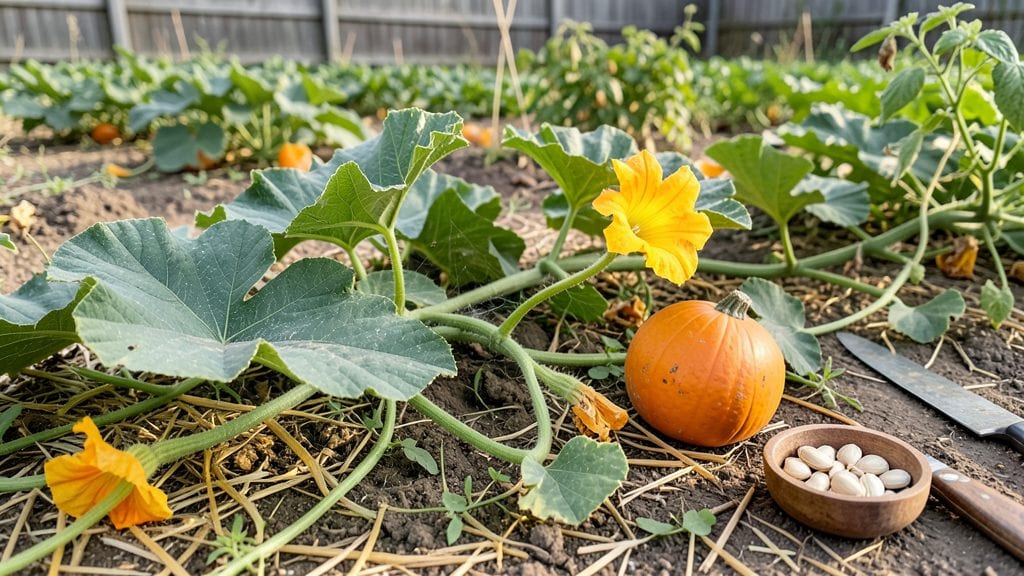
Pumpkin seeds are poisonous only when consumed raw or undercooked, as they contain cucurbitacin toxins that can trigger nausea, vomiting, or diarrhea. Proper roasting or boiling eliminates these compounds, allowing safe consumption in reasonable amounts.
These seeds come from edible pumpkins, not their toxic wild relatives, so the risk is entirely tied to preparation.
The cucurbitacin toxins break down at temperatures above 160°F, which is why roasting or boiling is essential. 🔥 I always recommend drying seeds thoroughly before roasting to prevent mold growth, which can introduce additional health risks.
Once properly prepared, they're packed with magnesium and zinc, making them a nutritious snack when handled correctly.
Many people enjoy them as a crunchy snack or sprinkled on salads, but it's important to avoid eating them straight from the pumpkin. The outer shell contains most of the toxins, so removing it through proper preparation is key to enjoying their nutty flavor safely.
💡 In This Article
- Toxicity in Raw Pumpkin Seeds: Cucurbitacin Risks Explained
- Safe Pumpkin Seed Consumption: Preparation and Serving Tips
Toxicity in raw pumpkin seeds: cucurbitacin risks explained
The danger in raw pumpkin seeds comes from naturally occurring cucurbitacins—specifically compounds E and I—which act as a bitter defense mechanism against predators.
These toxins trigger gastrointestinal distress because they interfere with cell membranes in the digestive tract, causing inflammation. 🔥 Wild pumpkin varieties contain far higher concentrations (up to 100x more) than cultivated varieties, which have been selectively bred to minimize toxicity while retaining nutritional value.
When you bite into a raw seed, you're exposing yourself to these compounds in their most concentrated form—the outer seed coat contains the highest levels, while the inner seed has about 30-50% less. The bitter taste you might notice is your body's warning system at work.
Roasting at 300°F for 15-20 minutes breaks down these molecules through a process called thermal degradation, making them safe to consume.
Here's what happens chemically: cucurbitacins are heat-sensitive terpenoid compounds that decompose when exposed to temperatures above 160°F. This is why simply drying seeds in sunlight isn't enough—it only removes moisture but doesn't reach the required temperature to neutralize toxins.
The transformation is irreversible, which is why properly prepared seeds remain safe indefinitely when stored properly.
What most people don't realize is that even properly prepared seeds shouldn't be consumed in excess. While the toxins are neutralized, pumpkin seeds contain other natural compounds like phytates that can inhibit mineral absorption if eaten in very large quantities.
The recommended safe consumption is about 1 ounce (28 grams) per day for adults, which provides nutritional benefits without overloading your system.
The difference between edible cultivated seeds and toxic wild varieties extends beyond just cucurbitacin levels. Wild pumpkins often contain additional alkaloids that can cause more severe reactions, including neurological symptoms.
Cultivated varieties have been bred specifically to reduce these compounds while maintaining the seed's nutritional profile—rich in magnesium, zinc, and healthy fats—making them a safe and beneficial food when prepared correctly.
You can test for residual toxicity by tasting a small amount of raw seed—if it's extremely bitter, it contains high levels of cucurbitacins. The safe preparation process transforms this bitter compound into harmless byproducts, allowing you to enjoy the seeds' nutty, slightly earthy flavor without risk.
This is why proper preparation isn't just about safety—it's about unlocking the seed's full culinary potential. ✨