
Vegetables
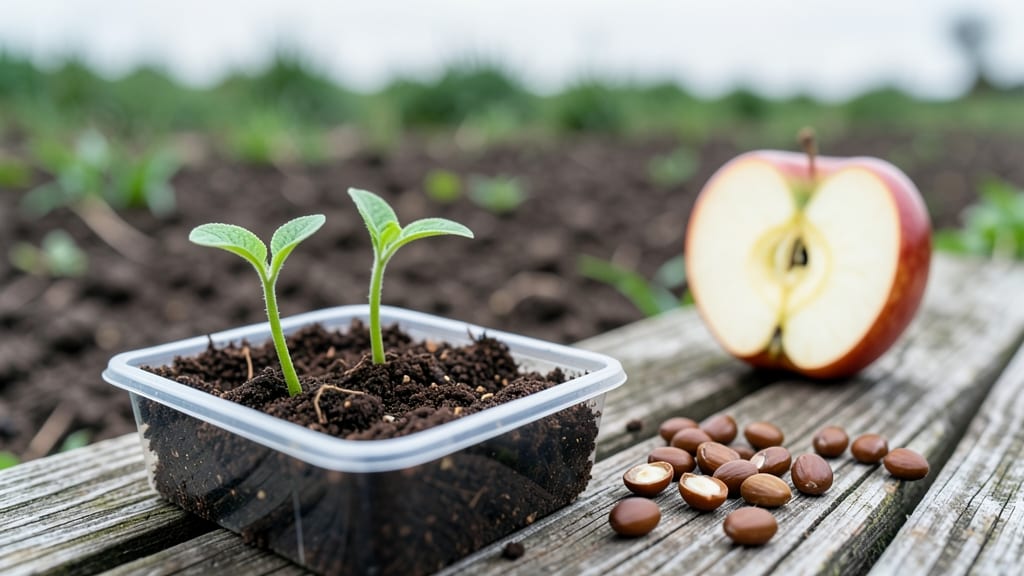
Images of apple seeds show their hidden danger: tiny amounts of amygdalin inside can release cyanide when chewed or crushed. To stay safe, always spit out seeds whole, compost apple cores carefully, and never grind seeds for gardening—this protects both pets and people.
Apple seeds aren't inherently deadly, but their chemical makeup turns risky when damaged.
The amygdalin compound only becomes dangerous when crushed or chewed—think of it like a hidden trigger. 🔥 For perspective, you'd need to consume about 150-200 crushed seeds at once to reach toxic levels in humans, though pets are far more sensitive due to their smaller size.
That said, why take the chance when prevention is so simple?
Here's the kicker: even small exposures can cause symptoms like dizziness or nausea, and children or animals might accidentally ingest more than they should. The good news is that whole seeds pass safely through digestion—it's only when their protective coating breaks that the real risk appears.
This is why images showing crushed seeds often include warnings about potential hazards.
💡 In This Article
- Toxicity Science Behind Apple Seeds
- Safe Gardening Practices with Apple Seeds
Toxicity science behind apple seeds
Here's what happens chemically when you crush apple seeds: the compound amygdalin inside them reacts with an enzyme called beta-glucosidase—both naturally present in the seed. This reaction splits amygdalin into benzaldehyde (which gives almonds their scent) and hydrogen cyanide.
The cyanide is what poses the real danger, though the process requires physical damage to release it. Think of it like a chemical time bomb triggered by chewing or grinding.
The toxicity threshold varies dramatically by species. For humans, consuming 150-200 crushed seeds at once could reach dangerous levels, though symptoms like headache or dizziness might appear with as few as 50 crushed seeds in sensitive individuals.
Pets are far more vulnerable—just 5-10 crushed seeds could be toxic to a small dog, while cats are even more sensitive due to their slower metabolism. For comparison, cherry pits contain similar amygdalin levels, but their harder shells make accidental ingestion less likely.
The key factor is surface area exposure. Whole seeds pass safely through digestion because their tough outer coating protects the amygdalin. But when you chew or grind them, you're essentially unlocking the cyanide—like cracking open a capsule of medication.
This is why images showing seeds in smoothies or ground into flour often include warnings. The 1-2 milligrams of cyanide released per crushed seed might seem tiny, but cumulative exposure adds up quickly.
Temperature and moisture accelerate the reaction too. Warm conditions speed up the enzymatic activity, which is why composting apple cores requires extra caution—especially in hot, humid climates. The cyanide gas released during decomposition can even contaminate nearby soil.
For perspective, bitter almonds (which contain pure amygdalin) are about 4 times more toxic per gram than apple seeds, though they're rarely consumed accidentally.
What most people don't realize is that the bitter taste of crushed seeds is your body's warning system. The same enzymes that produce cyanide also create that sharp almond flavor—nature's built-in alarm. This evolutionary defense mechanism explains why animals instinctively avoid chewing seeds whole.
The 0.0005% cyanide concentration in apple seeds might sound negligible, but it's enough to cause problems when concentrated through chewing or grinding.
For pet owners, the risk becomes crystal clear when you consider a 10-pound dog might accidentally ingest seeds from an apple core. Their smaller body means even small amounts of cyanide can cause rapid breathing, vomiting, or collapse.
The good news? Whole seeds typically pass harmlessly, but the moment they're cracked—whether by teeth or a blender—the danger level spikes dramatically.
Here's the takeaway: the science isn't about fear—it's about understanding how to handle these seeds safely. When you see images of crushed seeds, remember it's not the seed itself that's dangerous, but the physical damage that triggers the chemical reaction.
This knowledge turns a simple apple into a lesson in natural chemistry.