
Lawn
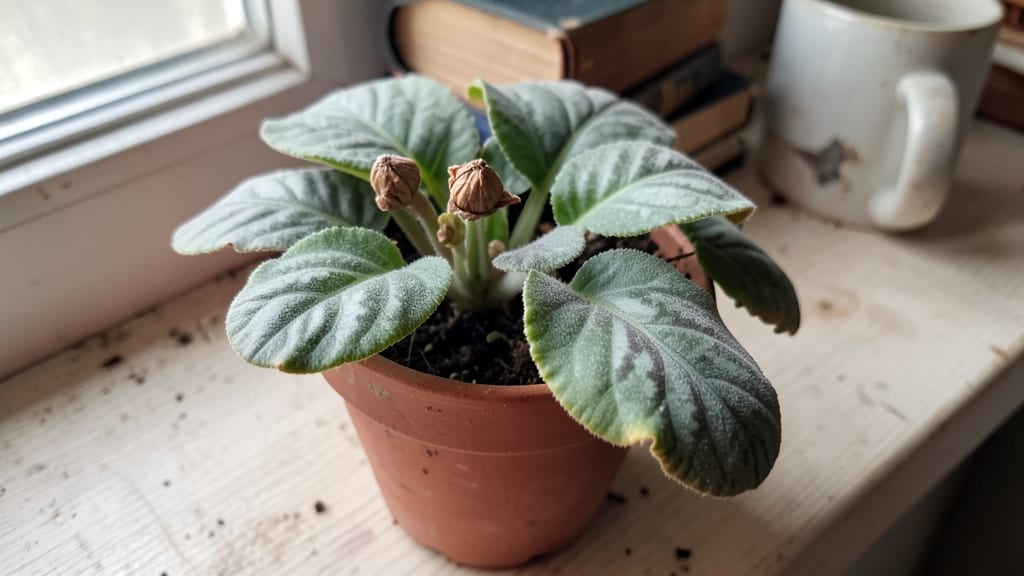
Harvesting cyclamen seed pods turns a late-summer garden cleanup into a fast-track to next year’s blooms—if you know the trick. 🌱 The pods dry to a papery brown, then split open like tiny treasure chests, but timing is everything: pick them too early and the seeds won’t ripen; too late and they’ll scatter across the yard.
I’ve learned the hard way that patience here means faster blooms later.
The real secret lies in cold stratification, where seeds spend weeks in winter’s chill to break dormancy. You’ll need a paper bag for drying, a damp paper towel for storage, and a fridge for the cold treatment—no fancy equipment, just nature’s timing.
Most gardeners skip this step and wonder why their seeds take forever to sprout. Trust me, the 30-day cold period makes all the difference.
By spring, you’ll have tiny seedlings with round, marbled leaves pushing through the soil, ready to bloom in just a few months. The first flush of pink or white flowers appears faster than store-bought plants, and the scent—sweet, almost like almonds—will have your neighbors asking where you got them.
Here’s how to get there without the guesswork.
Works for both hardy cyclamen species and tender varieties, though timing shifts slightly by zone. Whether you’re growing in containers or garden beds, the same principles apply—just adjust your cold stratification schedule for your last frost date. Let’s get those seeds sprouting!
📚 In This Guide
- What you need
- Instructions
- Tips and common mistakes
- Wrapping up and next steps
What you need
- ● Mature cyclamen seed pods: Harvest 5–10 fully ripened pods (brown, dry, and slightly papery). Aim for pods from healthy plants to ensure viability.
- ● Small paper or plastic bags: 2–3 breathable bags (e.g., coffee filters or seed-starting envelopes) for stratification.
- ● Potting mix: 1–2 cups of well-draining, sterile seed-starting mix (avoid garden soil—it’s too dense!). Look for blends labeled "cactus/succulent" or "seed-starting" for best results.
- ● Small pots or containers: 2–4 shallow trays (3–4 inches deep) with drainage holes, or 2-inch plastic cells for individual seedlings.
- ● Spray bottle: 1 with water (for gentle misting) to keep the mix moist without over-saturating.
- ○ Plastic wrap or clear lid: 1 sheet to create a mini greenhouse effect (optional but helpful for humidity).
- ● Refrigerator or cold frame: A space to maintain temps between 35–45°F (2–7°C) for 4–8 weeks.
- ● Grow lights or sunny windowsill: A spot with 6–8 hours of indirect light daily once stratification is complete.
- ● Humidity dome: A clear plastic lid or cloche to retain moisture during germination.
- ● Thermometer: A small fridge thermometer to monitor cold stratification temps accurately.
- ● Fungicide (organic): 1 tsp of cinnamon or a diluted neem oil spray to prevent mold if the mix stays too damp.
- ● Labeling tags: Small sticks or markers to track seed pods by variety or harvest date.
- ○ Heat mat (optional): For speeding up germination after stratification (set to 70–75°F (21–24°C)).
Instructions: how to cold-stratify cyclamen seed pods for reliable germination
Here’s my foolproof method to break dormancy and get those delicate cyclamen seedlings popping in record time.
🌱 Step 1: Harvest and Prepare the Seed Pods
Collect mature cyclamen seed pods when they turn brown and papery—this usually happens 2-3 weeks after flowering. Gently twist to open them, then remove the tiny seeds from their fuzzy coating. I like to spread them on a clean paper towel to dry for 1-2 days at room temperature before stratification. This prevents mold from forming during the cold treatment.
Don’t rush this step—wet seeds will rot during stratification. You’ll know they’re ready when the outer coating feels slightly crisp to the touch. Store them in a labeled paper envelope until you’re ready to start the cold process.
⏰ Step 2: Apply Cold Stratification for 4-6 Weeks
Place the dried seeds in a sealed plastic bag with a damp paper towel—just enough moisture to feel slightly damp, not soggy. Seal the bag and refrigerate it for 4-6 weeks at 35-40°F. This mimics winter conditions and tricks the seeds into thinking spring has arrived.
Check the bag weekly to ensure the paper towel stays moist but not dripping. If condensation forms inside, open the bag for 10 minutes to let excess moisture escape. After 6 weeks max, remove the seeds and let them warm to room temperature for 24 hours before planting.
💧 Step 3: Sow Seeds in Light, Well-Draining Mix
Fill small pots with a sterile seed-starting mix (never garden soil—it’s too dense). Press the mix lightly into the container so it’s firm but not compacted. Scatter the seeds on the surface—cyclamen seeds are tiny, so I use a toothpick to place them ¼ inch apart for easier thinning later.
Cover them with just a sprinkle of mix—no deeper than ⅛ inch—or they’ll struggle to emerge. Mist the surface with water until it’s evenly damp, then place the pots in a clear plastic bag to retain humidity. Keep them in bright, indirect light (no direct sun yet) at 65-70°F.
☀️ Step 4: Germinate Under Grow Lights
Germination can take 3-8 weeks, so patience is key. Once sprouts appear, remove the plastic bag and move the pots under a grow light for 14-16 hours daily. Keep the soil lightly moist—never soggy—by watering from the bottom when the top inch feels dry.
Watch for first true leaves (small, round, and darker than the initial seed leaves) as your signal to start fertilizing lightly with a balanced liquid fertilizer diluted to half strength. This ensures steady growth without overwhelming the delicate seedlings.
🌿 Step 5: Thin and Harden Off for Transplanting
Once seedlings have 2-3 sets of true leaves, thin them to 2 inches apart using clean scissors. The strongest, most vibrant seedlings will outcompete the rest naturally. Gradually introduce them to outdoor conditions over 2 weeks by placing them in a shaded, sheltered spot for 1-2 hours daily, increasing time slowly.
Transplant them into individual pots when they’re 3-4 inches tall, using a well-draining potting mix. Cyclamen hate soggy roots, so ensure pots have drainage holes. With proper care, you’ll see blooms in 9-12 months—faster than starting from store-bought plants!
Tips & tricks for perfect cyclamen seed germination
These little-known tricks will help you skip the trial-and-error and get those cyclamen seeds sprouting faster than ever.
The Harvest Timing Secret: I can't stress this enough—wait until those seed pods turn completely brown and papery before harvesting. If you pick them too early, the seeds won't be fully mature and may not germinate. The 2-3 week window after flowering is your sweet spot. Pro tip: Gently twist the pods open rather than cutting them—this preserves the delicate seed coating better.
Stratification Moisture Balance: The damp paper towel in Step 2 should feel like a wrung-out sponge—slightly damp but not dripping. Too much moisture causes mold, while too little prevents germination. I like to fold the paper towel into quarters to create more surface area for the tiny seeds. After the 4-6 weeks in the fridge, if the towel feels dry, add a drop of water before resealing the bag.
Lighting Hack for Step 4: Natural light works, but grow lights give you more control. Position the lights 2-3 inches above the seedlings and adjust the height as they grow. The 14-16 hours daily guideline works perfectly for most fluorescent or LED grow lights—just make sure they're not too hot to the touch. I've had great results with simple T5 LED bulbs that cost under $20.
Thinning Strategy: Don't wait until seedlings are crowded to thin! Once you see 2-3 sets of true leaves, it's time. Use clean scissors to snip at the base rather than pulling—this prevents disturbing the roots of your keepers. The 2-inch spacing gives each plant room to develop strong roots before transplanting. I always keep a few extra strong seedlings just in case some don't make it.
Pro Tips for Cyclamen Seed Pods
- These little-known tricks will help you skip the trial-and-error and get those cyclamen seeds sprouting faster than ever.
- The Harvest Timing Secret: I can't stress this enough—wait until those seed pods turn completely brown and papery before harvesting.
- Stratification Moisture Balance: The damp paper towel in Step 2 should feel like a wrung-out sponge—slightly damp but not dripping.
Frequently asked questions
Got questions about growing cyclamen from seed pods?
You’re not alone! Here are answers to the most common queries to help you succeed—from timing tricks to troubleshooting tips.
How long do cyclamen seed pods take to mature before harvesting?
Cyclamen seed pods typically mature in 6–8 weeks after flowering, turning from green to a papery brown when ready. Avoid harvesting too early—the seeds won’t germinate well! Wait until the pods split open naturally for the best results. Pro tip: Gently tap mature pods over a tray to catch seeds without damaging them.
Why is cold stratification necessary for cyclamen seeds?
Cold stratification mimics winter conditions, breaking seed dormancy so they’ll germinate. Cyclamen seeds need 4–6 weeks in the fridge (35–40°F) to trigger growth hormones. Without it, seeds may stay dormant for months—or never sprout! Think of it as a “wake-up call” for tiny cyclamen.
Can I grow cyclamen from seed pods indoors without a greenhouse?
Use a clear plastic bag over a seed tray with moist potting mix to create humidity. Place the tray in a bright, indirect-light spot (like a sunny windowsill) and keep soil consistently damp. Seedlings may take 4–8 weeks to emerge. Just avoid direct sun to prevent overheating.
What should I do if my cyclamen seed pods rot before opening?
Pod rot usually happens from excess moisture or fungal issues. If you spot mold or mushy pods, remove affected pods immediately and improve airflow. Let the soil dry slightly between waterings, and avoid overhead watering. For prevention, use sterile potting mix and a shallow tray to encourage drainage.
How do I know if my cyclamen seeds are still viable after drying?
Fresh cyclamen seeds are tiny and dust-like, but they can stay viable for 1–2 years if stored in a cool, dry place (like a sealed envelope in the fridge). Test viability by planting a few seeds—if they germinate within 8 weeks, the rest are likely good! Discard seeds that smell musty or look discolored.
Wrapping up and next steps
Growing cyclamen from seed pods is a rewarding journey that unlocks vibrant blooms with patience and care! By mastering cold stratification and providing the right conditions, you’ll transform tiny seeds into stunning plants.
Whether you’re a seasoned gardener or just starting, your efforts will soon pay off with gorgeous, fragrant flowers brightening your space.
Ready to dive deeper? Experiment with different stratification times or share your progress with fellow plant enthusiasts! 🌱💬 Start your next batch today—your future cyclamen will thank you!