Light Requirements
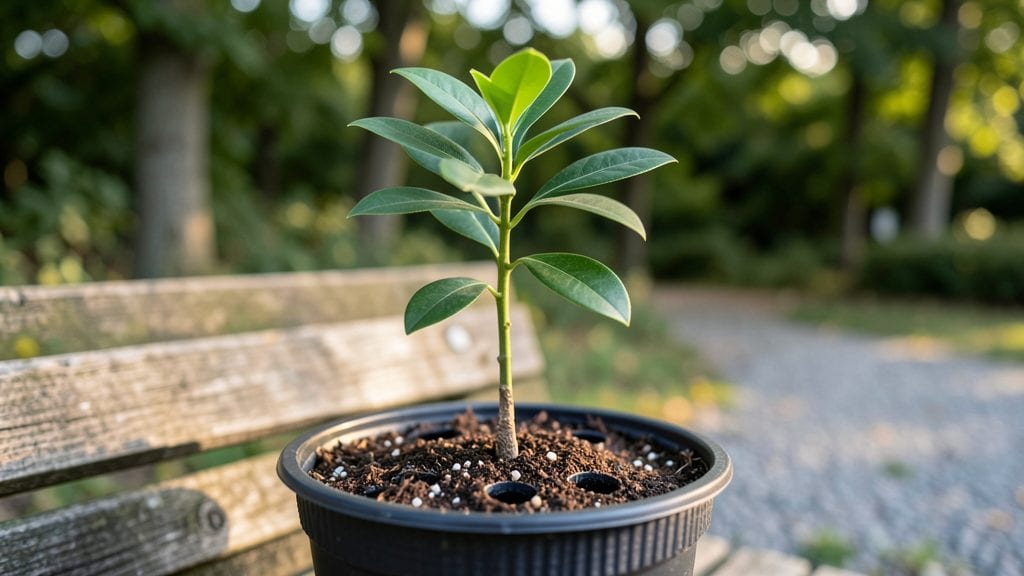
Chinese privet seedlings thrive when you nail their sunlight needs—too much shade slows growth, but too much sun scorches those tender leaves. 🌿 I’ve watched these seedlings go from leggy and weak to bushy and vibrant in just a few months by adjusting their light exposure, and I’m sharing the exact approach that works.
The key is morning sun with afternoon shade—think dappled light under a tree canopy or a spot where they get 4-6 hours of direct sun before noon. Young seedlings need protection from harsh afternoon rays, while mature plants handle full sun once established.
Start them in partial shade, then gradually introduce more sun as they grow stronger.
You’ll see the difference within weeks: leaves stay glossy green instead of yellowing, and new growth thickens noticeably. The trick is monitoring their response—if leaves curl or brown, they’re getting too much sun; if they stretch toward light, they need more.
This method works for both container-grown seedlings and in-ground plantings.
Common mistakes? Overwatering in shade or rushing them into full sun too soon. Let’s fix those issues and get your privet off to a fast, healthy start—no guesswork involved.
📚 In This Guide
- What you need
- Instructions
- Tips and common mistakes
- Wrapping up and next steps
What you need
- ● Chinese privet seedling: 1 healthy, disease-free seedling (12–18 inches tall is ideal for transplanting). Pro tip: Look for sturdy stems and vibrant leaves!
- ● Well-draining potting mix: 5–10 gallons (depending on pot size). Use a blend of 60% garden soil, 30% compost, and 10% perlite or sand for aeration.
- ● Containers: 5-gallon pots (for young seedlings) or
- ● Larger garden beds (if planting outdoors; ensure 3–4 feet of space between plants).
- ● Slow-release fertilizer: 1–2 cups of balanced 10-10-10 NPK or organic compost (mixed into the soil).
- ● Watering can or hose: With a gentle spray nozzle to avoid damaging tender leaves.
- ● Pruning shears: Sharp, sterilized shears (for trimming leggy growth or shaping).
- ● Sunlight access: Full sun (6+ hours/day) for optimal growth.
- ● Partial shade (4–6 hours/day) in hot climates (e.g., Southern U.S.).
- ● Location: Choose a spot with good air circulation to prevent fungal issues.
- ● Mulch: 2–3 inches of wood chips or straw to retain moisture and suppress weeds.
- ○ Growth regulator: Optional dwarfing hormone (like Bonzi) to encourage bushier growth.
- ● Support stakes: 3–4 foot bamboo stakes (if training as a hedge or small tree).
- ● pH test kit: To ensure soil pH is 6.0–7.0 (Chinese privet prefers slightly acidic to neutral).
Step-by-Step instructions for cultivating Chinese privet seedlings
Here’s how to coax robust, sun-loving Chinese privet seedlings into bushy, thriving plants in record time.
🌱 Step 1: Select and Prepare the Right Seedlings
Start with 4 healthy 6-inch-tall seedlings from a reputable nursery—avoid leggy or yellowing specimens. Chinese privet thrives when young roots are vigorous, so inspect the root ball for dense, white feeder roots. If roots are circling or matted, gently tease them apart with your fingers to encourage outward growth.
Before planting, soak the roots in lukewarm water for 20 minutes to revive them. This jumpstarts hydration and reduces transplant shock. Pat the roots dry afterward to prevent waterlogged soil, which can suffocate tender roots. I always do this in the early morning—seedlings handle stress better when they have daylight to recover.
☀️ Step 2: Choose the Perfect Sunlight Spot
Chinese privet demands full sun (6+ hours daily) for bushy growth, but seedlings need gradual acclimation. Begin by placing them in a bright, indirect light location for the first 3-5 days—think east-facing windows or a shaded patio. Watch for leaves cupping toward the light; that’s your cue they’re stretching too hard.
After that initial adjustment, move them to their permanent full-sun spot (south or west exposure). If your climate has intense afternoon sun, provide light afternoon shade for the first week to prevent leaf scorch. You’ll know they’re happy when new leaves unfurl deep green and glossy, not pale or crispy.
💧 Step 3: Water Deeply and Consistently
Water deeply once a week (or every 4-5 days in extreme heat) until the top 6 inches of soil feel moist. Chinese privet hates soggy roots but tolerates brief dry spells—overwatering is the fastest way to kill seedlings. Use a 5-gallon watering can to saturate the soil evenly, avoiding wetting the leaves to prevent fungal diseases.
Check moisture by sticking your finger 2 inches into the soil—if it’s dry, water again. Mulch with 2-3 inches of shredded bark around the base (but not touching the stem) to retain moisture and regulate soil temperature. This is especially critical in the first 30 days while roots establish.
✂️ Step 4: Prune for Bushiness
When seedlings reach 12 inches tall, pinch back the top 2-3 inches of new growth. This triggers branching, giving you that lush, hedge-like shape. Use clean, sharp pruners to make cuts just above a set of leaves—never rip or tear the stem. Repeat this pruning every 4-6 weeks during the growing season.
If a seedling grows too leggy (stems longer than leaves), cut it back by one-third to encourage thicker growth. You’ll see new shoots emerge within 2 weeks—that’s your reward for patience. Avoid heavy pruning in late summer, as new growth won’t harden off before winter.
🌿 Step 5: Fertilize for Fast Growth
After 6 weeks, switch to a balanced 10-10-10 fertilizer every 4 weeks during the growing season. Apply ½ teaspoon per seedling mixed into the soil at the base. Chinese privet responds well to feeding but won’t tolerate over-fertilization—yellow leaves or stunted growth mean you’ve overdone it.
In late summer, taper off fertilization to every 6 weeks to encourage root hardening before winter. I always water deeply after fertilizing to leach excess nutrients away from the roots. By next spring, your seedlings will be 4 feet tall and bushy, ready for their permanent spot in the landscape.
Tips & tricks for perfect Chinese privet seedling care
Fast growth starts with the right approach—these insights will help you avoid common pitfalls and accelerate your seedlings' development.
Root Revival Technique: The 20-minute lukewarm water soak in Step 1 is non-negotiable for stressed seedlings. I've found that adding 1 teaspoon of seaweed extract to the water boosts root regeneration without harming tender roots. This optional step (clearly marked) gives seedlings an extra energy kick during their first critical hours.
Sunlight Transition Strategy: During the 3-5 day acclimation period in Step 2, I recommend gradually increasing exposure by moving plants closer to the light source each day. Start with morning sun only, then add afternoon exposure over 3 days. This mimics natural progression and prevents the shock that causes leaves to cup or yellow.
Watering Wisdom: The finger-check method in Step 3 works best when you press firmly—if your finger leaves a clean, dry hole, it's time to water. For container-grown seedlings, I've found that watering at the base rather than overhead reduces fungal risk by keeping foliage dry. This is especially important during those first 30 days when roots are establishing.
Pruning Precision: When pinching back the top 2-3 inches in Step 4, look for the first set of true leaves below your cut. This ensures you're encouraging branching from established growth points rather than just creating more leggy stems. I always sterilize my pruners with rubbing alcohol between cuts to prevent disease transmission.
Pro Tips for Chinese Privet Seedling
- Fast growth starts with the right approach—these insights will help you avoid common pitfalls and accelerate your seedlings' development.
- Root Revival Technique: The 20-minute lukewarm water soak in Step 1 is non-negotiable for stressed seedlings.
- Sunlight Transition Strategy: During the 3-5 day acclimation period in Step 2, I recommend gradually increasing exposure by moving plants closer to the light source each day.
Frequently asked questions
Got questions about growing Chinese privet seedlings? You’re not alone! Here are answers to the most common concerns—so you can keep your seedlings thriving with the perfect light balance.
How much sunlight do Chinese privet seedlings really need?
Chinese privet seedlings thrive in full sun to partial shade—ideally, 6 to 8 hours of direct sunlight daily. Young seedlings can scorch in intense midday heat, so morning sun + afternoon shade works best. Gradually acclimate them to full sun over 2–3 weeks to avoid stress.
When is the best time to plant Chinese privet seedlings outdoors?
Plant seedlings in early spring or fall when soil temps are mild (60–75°F). Avoid extreme heat or frost, as privet is sensitive to both. If planting in summer, provide afternoon shade and water deeply to prevent transplant shock. Fall plantings also give roots time to establish before winter.
What if my seedlings look leggy or weak—are they getting enough light?
Leggy, sparse foliage is a red flag for light deprivation. Move seedlings to a sunnier spot immediately and rotate pots weekly for even growth. If indoors, supplement with a grow light 12–14 hours/day. Over time, they’ll fill out—just be patient!
Can I grow Chinese privet from seed, or should I buy seedlings?
While possible, growing from seed is slow and unreliable—privet seeds have low germination rates and take years to mature. Buying 1–2 year-old seedlings ensures faster, bushier growth. If you’re set on seeds, soak them in warm water for 24 hours first to boost germination.
Why are my Chinese privet leaves turning yellow or dropping?
Yellowing leaves often signal overwatering, poor drainage, or light stress. Check soil moisture—privet prefers it slightly dry between waterings. Ensure pots have drainage holes, and avoid soggy roots. Too little light can also cause leaf drop, so confirm they’re getting at least 4–6 hours of sun daily.
Is Chinese privet invasive? Should I avoid it?
Chinese privet (Ligustrum sinense) is highly invasive in many U.S. regions (e.g., Southeast). It spreads aggressively via seeds and roots, crowding native plants. If privacy is your goal, opt for non-invasive alternatives like Abelia or Holly. Always check local regulations before planting!
Wrapping up and next steps
Growing a thriving Chinese privet seedling is all about unlocking the power of sunlight—just a few hours of morning sun can make the difference between a leggy, weak plant and a lush, bushy beauty! 🌞 With the right balance of light, soil, and care, you’ll be rewarded with vibrant foliage and rapid growth in no time.
Ready to see your seedling flourish? Start by monitoring its light exposure and adjust as needed—your green thumb is closer than you think! Whether you’re a seasoned gardener or just starting, every small step counts. Happy growing! 🌱