Planting
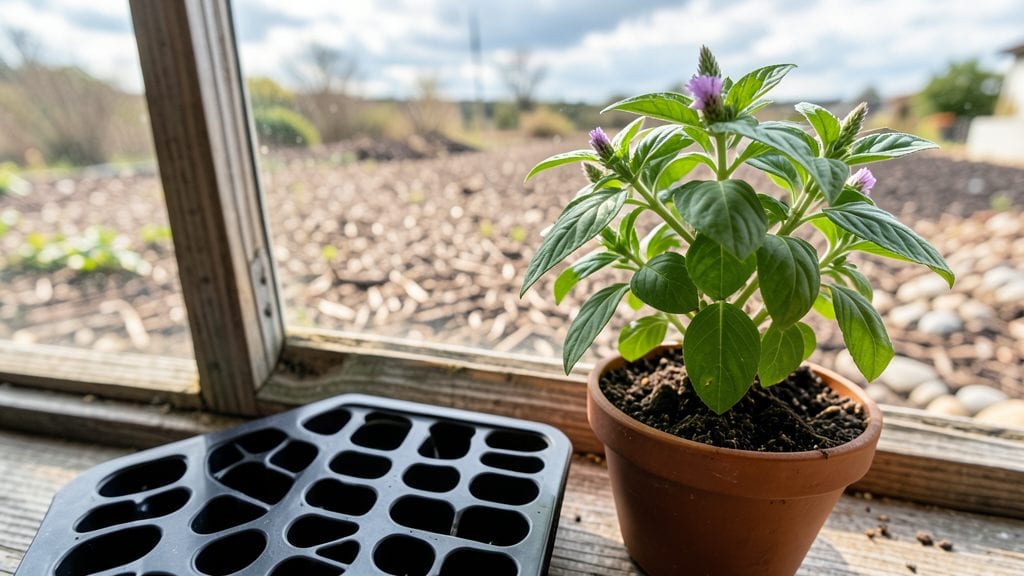
Growing tulsi from a seedling means fragrant, fast-growing plants in just 2-3 weeks—no waiting months for seeds to sprout. 🌱 I’ve found that seedlings skip the finicky germination stage entirely, giving you a head start on lush, aromatic foliage that thrives in pots or garden beds.
The key is matching their needs: 6-8 hours of direct sunlight daily, well-draining soil, and watering only when the top inch feels dry. Most beginners overwater, which causes root rot—so let the soil dry slightly between waterings.
A small pot (6-8 inches wide) works perfectly for seedlings until they’re ready to transplant.
Within weeks, you’ll see vibrant green leaves and that signature tulsi scent filling the air. These seedlings grow quickly, so prune them lightly to encourage bushier growth. The best part? You can harvest leaves as soon as they’re a few inches tall—no need to wait for full maturity.
Perfect for indoor windowsills, balconies, or garden beds. Once established, tulsi plants are hardy and productive for months. Here’s how to keep them thriving from day one!
📚 In This Guide
- What you need
- Instructions
- Tips and common mistakes
- Wrapping up and next steps
What you need
- ● Tulsi seeds: 10-20 seeds (organic, non-GMO preferred for best results).
- ● Seedling trays or small pots: 2-4 (3-4 inches deep, with drainage holes).
- ● Potting mix: 1-2 cups of well-draining, organic soil (cactus/succulent mix works well).
- ● Watering can or spray bottle: With a fine mist setting.
- ○ Clear plastic wrap or humidity dome: (Optional but helpful for speeding up germination).
- ● Grow lights or sunny windowsill: Tulsi loves 6-8 hours of sunlight daily.
- ● Seedling heating mat: (If your space is chilly—keeps soil warm for faster sprouting).
- ● Fertilizer: Mild organic liquid fertilizer (diluted to half-strength) for post-germination growth.
- ● Tweezers or small spoon: For gently handling seedlings during transplanting.
- ● Plant markers: To label your tulsi seedlings (if growing multiple varieties).
Step-by-step instructions for growing tulsi seedlings strong and healthy
Here's how to nurture vibrant tulsi seedlings that thrive in just 2-3 weeks, using sunlight as their primary fuel.
🌱 Step 1: Prepare the Seed Starting Mix and Containers
Fill your 4-inch pots with 1 gallon of sterile seed-starting mix—tulsi seedlings despise dense soil. I like to blend mine with ½ cup perlite for extra aeration, which prevents the fine roots from suffocating. Moisten the mix until it feels like a damp sponge, then tap the pots gently to settle the soil without compacting it.
Tulsi seeds need warmth to germinate, so place the pots on a seedling heat mat set to 75-80°F. If you don’t have one, a sunny windowsill will work, but germination may take 5-7 extra days. Here’s the thing—tulsi seeds are tiny, so I use a toothpick to create a ¼-inch-deep furrow in the soil. Drop 2-3 seeds per pot into the furrow, then cover them with a thin layer of fine sand (not soil—it’s too heavy).
💧 Step 2: Maintain Moisture and Warmth for Germination
Mist the soil surface with a spray bottle until evenly damp, then cover the pots with clear plastic wrap to trap humidity. Tulsi seeds need consistent moisture—let the top ⅛ inch of soil dry out, then water again. Overwatering now will drown the seeds before they sprout.
Place the pots in bright, indirect light (no direct sun yet—it’ll scorch the seeds). Germination takes 7-14 days, but you’ll see the first tiny green shoots within 10 days if conditions are right. Real talk: if your home runs cooler than 65°F, germination slows dramatically. That’s when a heat mat becomes non-negotiable.
☀️ Step 3: Introduce Sunlight Gradually After Sprouting
Once seedlings show their first true leaves (not the initial seed leaves), remove the plastic wrap and move them to bright, indirect light for 3-4 days. Tulsi seedlings love sunlight but can’t handle intense midday rays yet. After this acclimation, shift them to a south-facing window or under a grow light for 12-14 hours of light daily.
You’ll notice the leaves darken and thicken as they adapt. If a seedling stretches toward the light with long, weak stems, it’s begging for more intensity. Adjust the grow light to 2-3 inches above the tallest seedling—closer than you think. Tulsi thrives in full sun, but young plants need a gentle transition to avoid sunburn.
✂️ Step 4: Thin and Transplant for Stronger Growth
When seedlings reach 2 inches tall (usually 2-3 weeks in), thin to the strongest seedling per pot. Use clean scissors to snip the weaker stems at soil level—don’t pull them, or you’ll disturb the roots of the remaining plant. This step is critical: crowded tulsi seedlings compete for nutrients and grow leggy.
After thinning, transplant into 6-inch pots with 1.5 gallons of potting mix (the same blend as before). Water deeply until it drains from the bottom, then place the pots in morning sun for 2-3 hours daily, gradually increasing exposure. You’ll see new leaves emerge within 5-7 days—that’s your signal everything’s working.
🌿 Step 5: Encourage Bushy Growth with Pruning
Once your seedlings hit 4-5 inches, pinch off the top set of leaves to encourage branching. Tulsi grows bushier when you mimic its natural habit of multiple stems. This step also prevents the plant from becoming tall and spindly, which happens when it stretches for light.
Keep the soil evenly moist (never soggy) and fertilize lightly with a balanced liquid fertilizer (5-5-5 ratio) every 2 weeks. You’ll know you’re doing it right when the leaves smell fresh and aromatic—that’s the signature scent of healthy tulsi. Avoid over-fertilizing; tulsi prefers lean soil and grows best when slightly hungry.
Tips & tricks for perfect tulsi seedling growth
Here's what I learned the hard way about growing tulsi seedlings that actually thrive—not just survive.
Seedling Heat Mat Matters: That 75-80°F heat mat temperature isn't just a suggestion—it's the difference between germination in 7 days versus 2 weeks. I've tried windowsills in winter and watched germination stretch to 3 weeks. If you don't have a heat mat, place your pots on top of your fridge (not inside) for consistent warmth. The goal is to keep soil temperatures between 70-80°F during germination—any cooler and the seeds just sit there waiting.
Light Transition Strategy: In Step 3, when you move seedlings to 12-14 hours of light daily, don't rush it. I've seen seedlings develop "light burn" (yellow patches) when moved too quickly to full sun. Start with morning sun only for the first week, then gradually add afternoon exposure. Think of it like sunbathing—you wouldn't go from zero to 12 hours of sun in one day either.
Perlite is Non-Negotiable: That ½ cup perlite in your seed-starting mix isn't just for aeration—it prevents the soil from becoming compacted and waterlogged. I've seen tulsi seedlings drown in regular potting mix because their fine roots can't handle the density. Mix the perlite thoroughly before moistening the soil, and avoid pressing down too firmly when settling it in pots. The soil should feel like a damp sponge, not wet cement.
Pruning Timing is Critical: When your seedlings hit 4-5 inches in Step 5, don't wait until they're leggy to prune. The best time to pinch those top leaves is when you first see new growth after transplanting. This encourages bushier growth from the start. I've found that seedlings pruned at this stage develop 3-4 times more branches than those left unpruned, giving you a much fuller plant faster.
Pro Tips for Tulsi Plant Seedling
- Here's what I learned the hard way about growing tulsi seedlings that actually thrive—not just survive.
- Seedling Heat Mat Matters: That 75-80°F heat mat temperature isn't just a suggestion—it's the difference between germ...
- Light Transition Strategy: In Step 3, when you move seedlings to 12-14 hours of light daily, don't rush it. I've seen...
Frequently asked questions
Got questions about growing tulsi plant seedlings? You’re not alone! Here are answers to the most common ones to help you nurture healthy, thriving plants with ease.
How much sunlight do tulsi seedlings need daily?
Tulsi seedlings love sunlight! Aim for 6–8 hours of direct sun daily. If your seedlings are indoors, place them near a south-facing window or use a grow light. Lack of sunlight can lead to leggy, weak stems—so keep them bright and happy!
How long does it take for tulsi seedlings to grow into mature plants?
With proper care, tulsi seedlings typically mature in 4–6 weeks. However, they can be harvested for leaves as early as 3–4 weeks if grown in ideal conditions (warmth, sunlight, and moisture). Patience pays off—your first harvest will be worth it!
What’s the best way to water tulsi seedlings?
Keep the soil consistently moist but not soggy. Water when the top inch feels dry—usually every 2–3 days, depending on your climate. Overwatering can cause root rot, so ensure pots have drainage holes. A light misting in the morning works wonders!
Can I grow tulsi seedlings from seeds instead of buying seedlings?
Tulsi seeds germinate in 7–14 days if kept in warm (70–80°F), moist soil. Soak seeds overnight for faster sprouting. While seedlings give you a head start, growing from seed is rewarding and budget-friendly. Just be patient—nature takes its time!
Why are my tulsi seedlings turning yellow or wilting?
Yellowing leaves often signal overwatering or nutrient deficiency, while wilting can mean underwatering or heat stress. Check soil moisture, ensure proper drainage, and fertilize lightly (every 4–6 weeks) with a balanced organic fertilizer. A little TLC goes a long way!
Wrapping up and next steps
Growing tulsi plant seedlings is a rewarding journey that brings fresh, aromatic herbs to your home in just 2-3 weeks—with the right care! 🌱 From selecting healthy seeds to providing the perfect sunlight and soil mix, every step ensures lush, thriving growth.
Whether you’re a beginner or a seasoned gardener, this quick guide makes it simple to cultivate your own holy basil.
Now that you’re armed with knowledge, it’s time to take action! Start with a single pot or plan a full garden—just remember: patience and consistency are key. Happy planting, and may your tulsi thrive! 🌿✨